
Last updated November 20, 2026
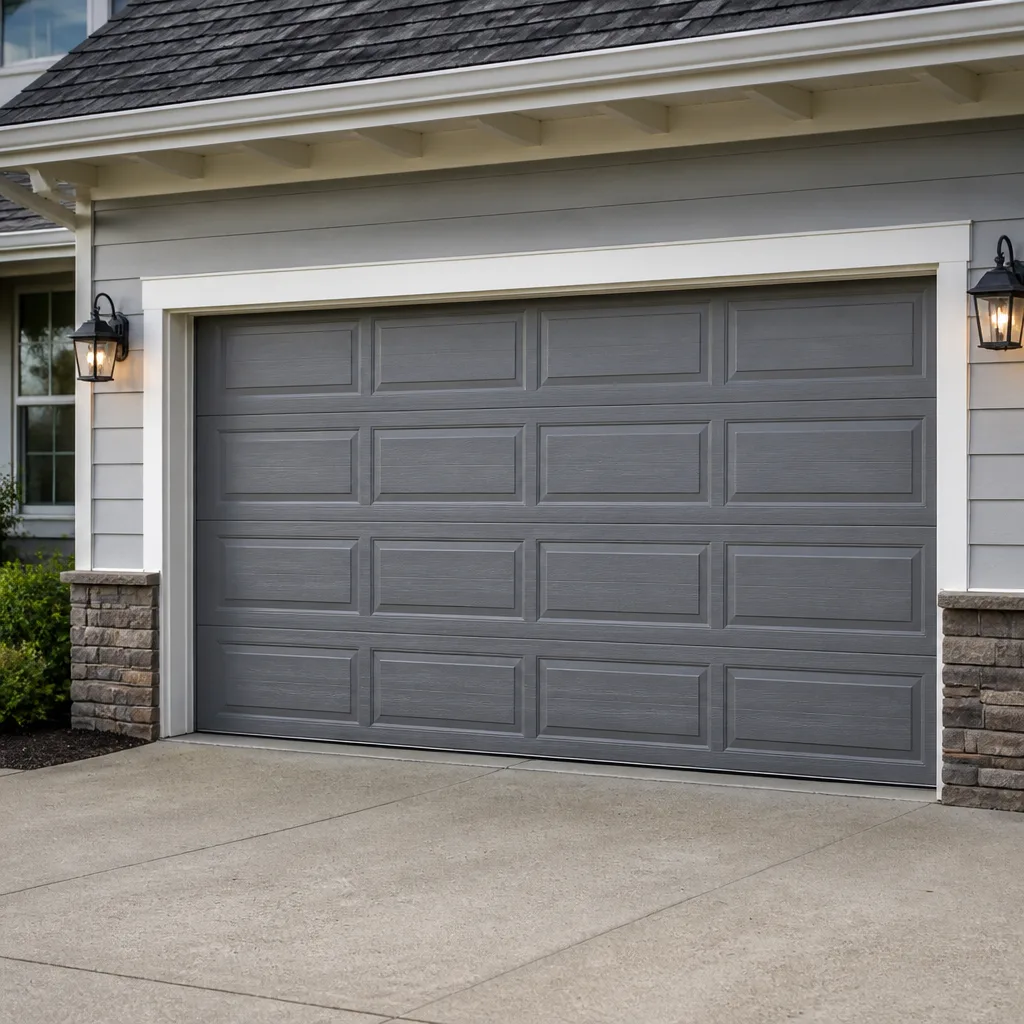 Raised-panel steel
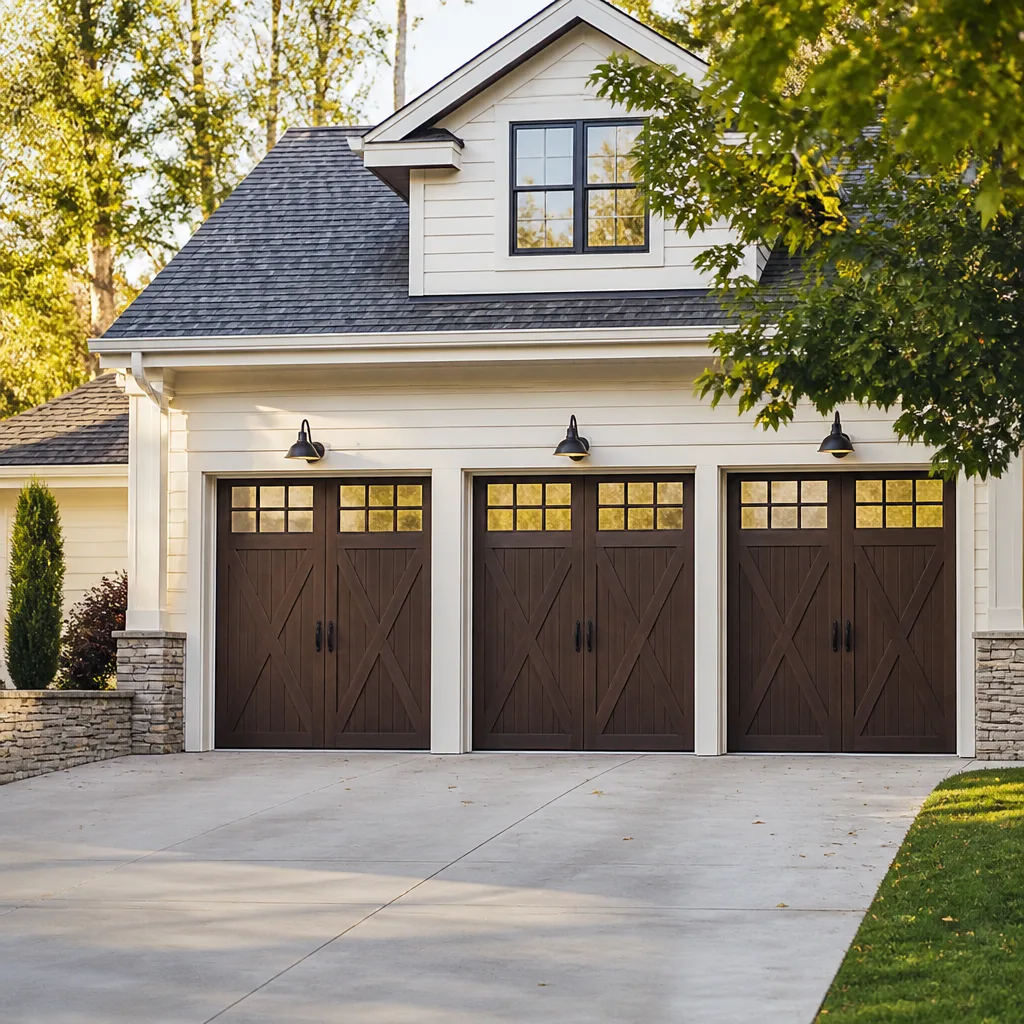 Carriage house
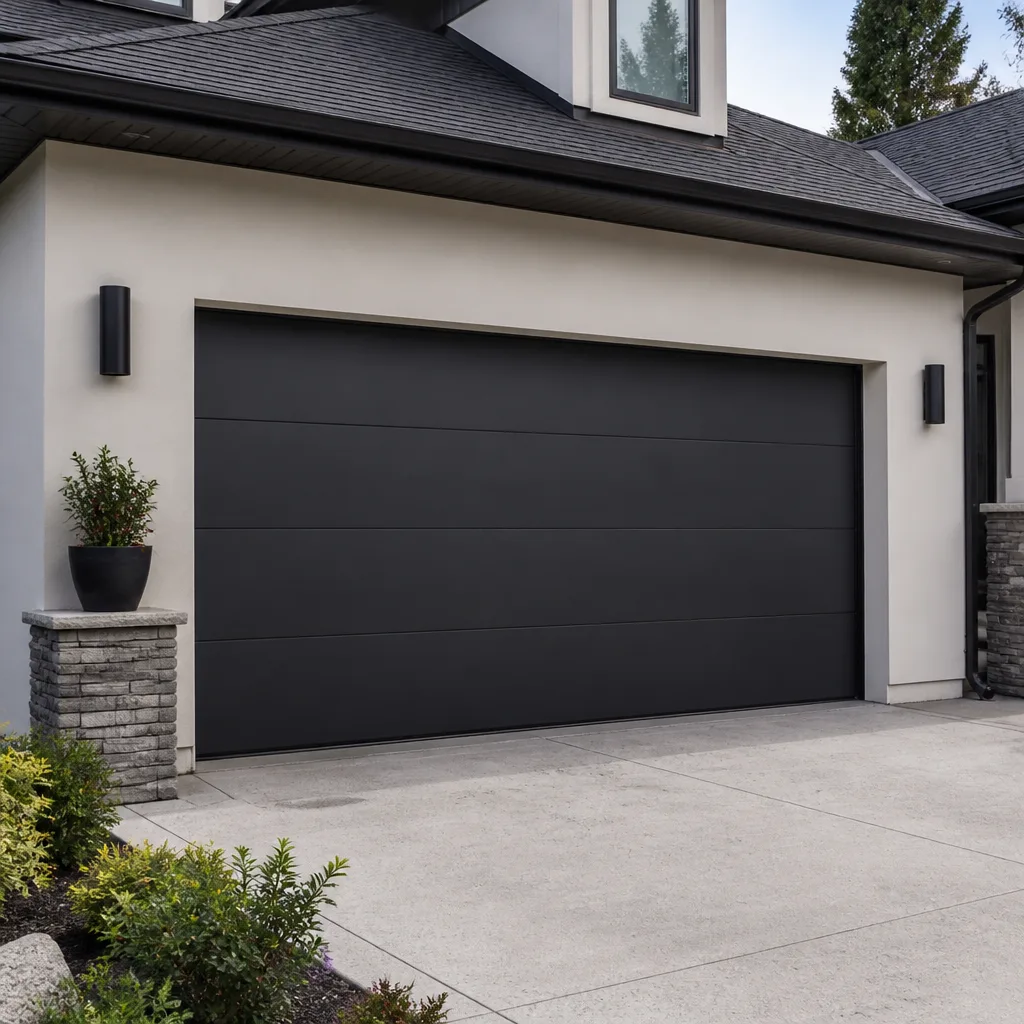 Modern flush
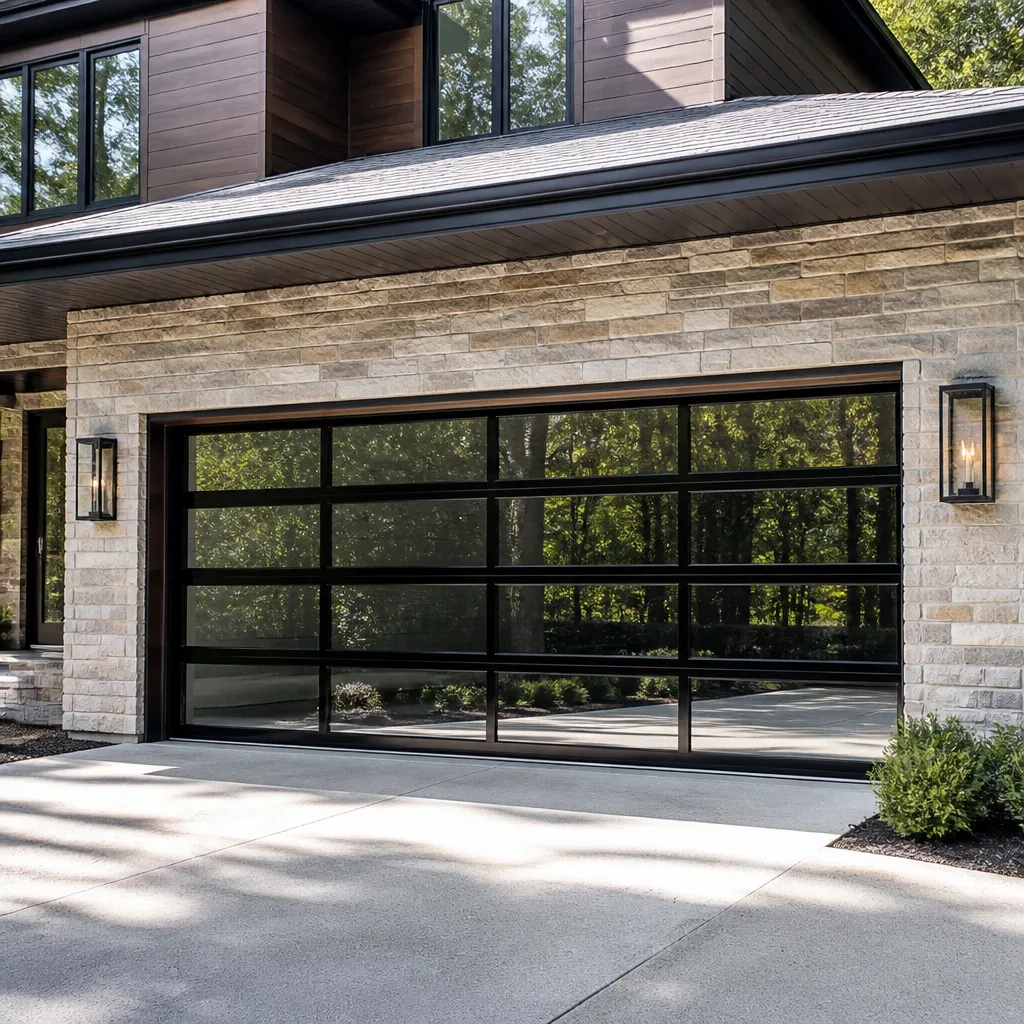 Full-view glass
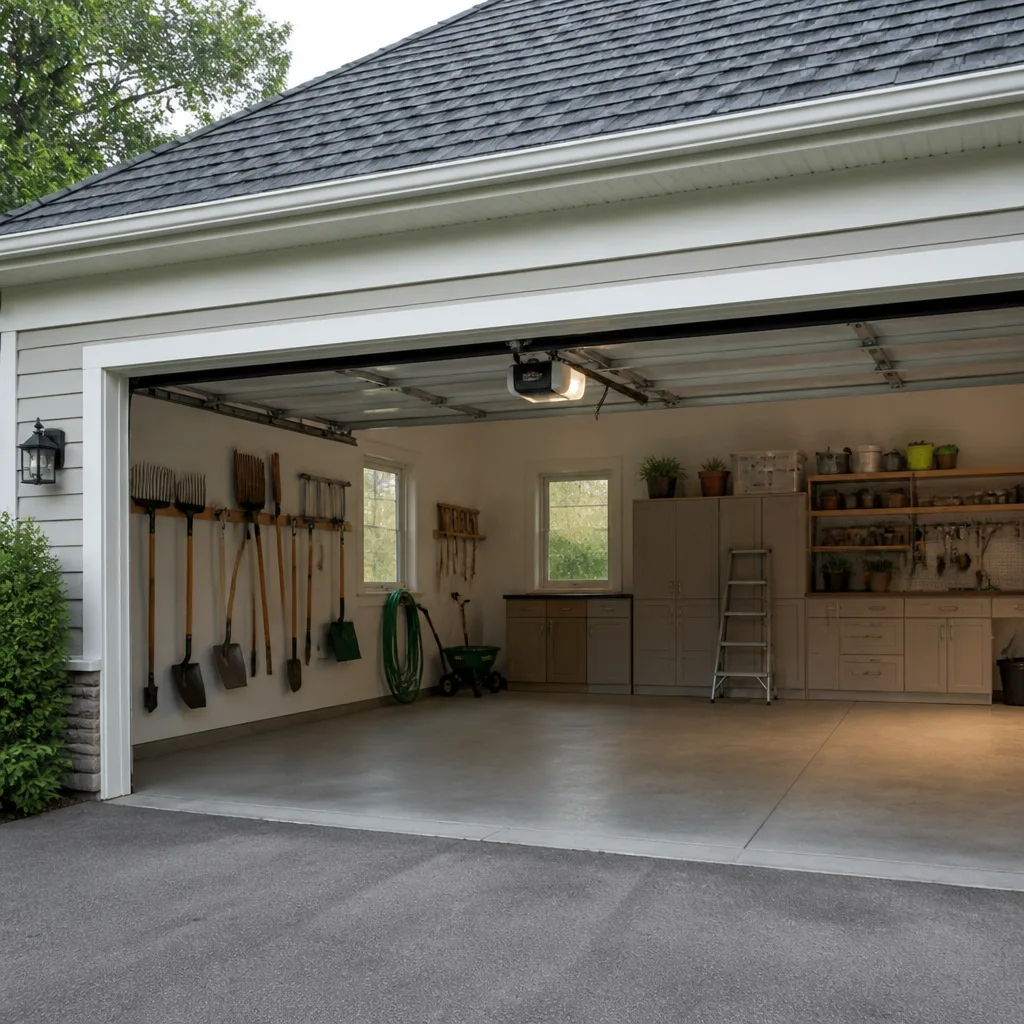 LiftMaster openers
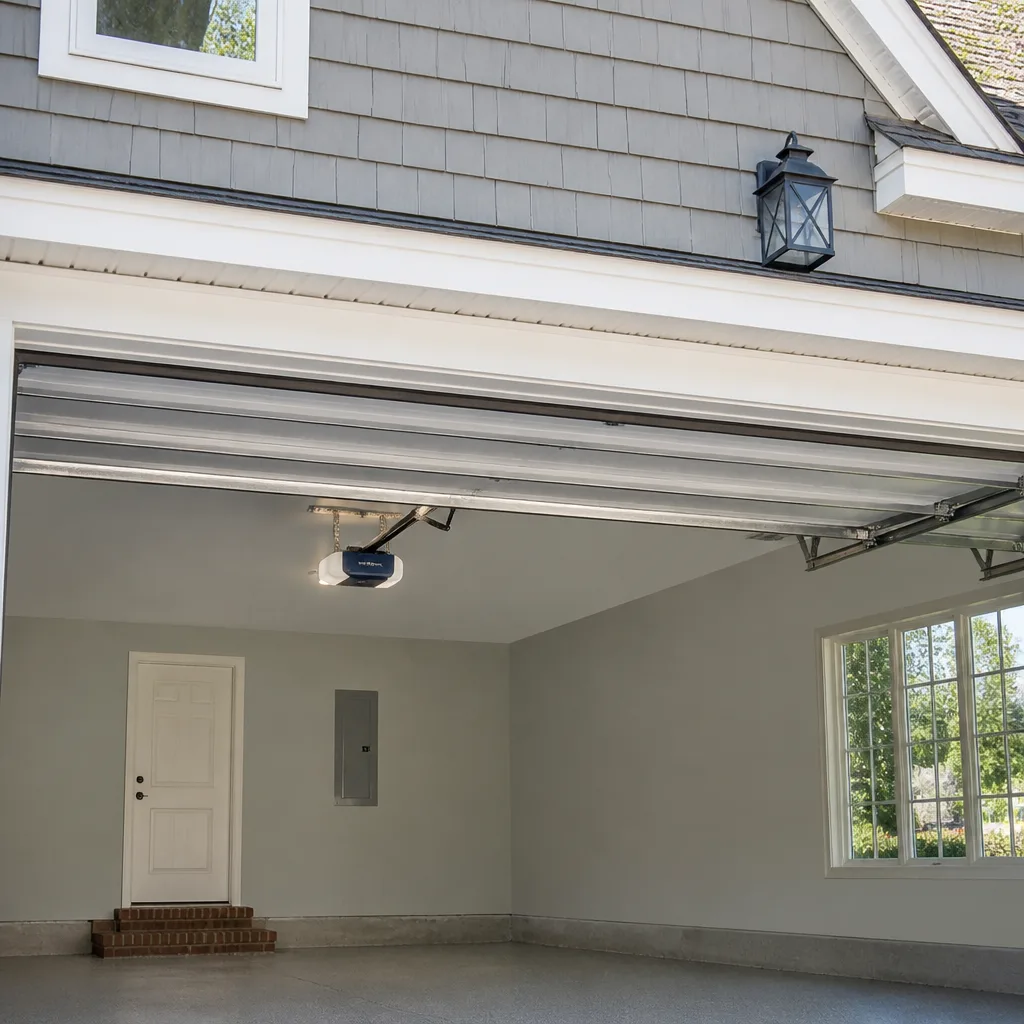 Chamberlain openers
Full 25-point door and opener safety check with every visit - springs, cables, rollers, tracks, and your LiftMaster or Chamberlain opener included
You get a price before we start. It does not change when the pro arrives.
Get your free estimateThe Complete Guide to Garage Doors in German Village
Most people think of the garage door as a single thing that opens or closes. It isn’t. It’s a system with two springs carrying the weight, a track that keeps the panels honest, a set of rollers and hinges doing the quiet work, and an opener pulling all of it along. When one part drifts out of spec, the whole system starts complaining. That’s why the same “door won’t open” complaint can trace back to a snapped spring, a stripped gear, or a roller jammed sideways in a track.
This guide walks through how garage doors actually work in German Village – the panel styles that fit the brick and historic streetscapes here, the climate that wears on steel and on wood, what each repair really involves, and how to tell a one-part fix from a replacement conversation. You’ll also find plain-language guidance on safety, cost, and how to choose who does the work.
Quick Answer
A garage door in German Village is a balanced system: springs carry the door’s weight, the opener only guides it, and the track and rollers keep it moving straight. Almost every fault – a door that slams down, an opener that hums without moving, a panel that binds – traces to one of those three subsystems. Repair the failing part and the door works like new; ignore it and the next failure usually costs more. Our technicians have up to 10 years of experience across the major brands, and we’ll tell you plainly which fix your door needs.
Styles & brands we work with
- Raised-panel steel
- Carriage house
- Modern flush
- Full-view glass
- LiftMaster openers
- Chamberlain openers
Table of Contents
- How a Garage Door Actually Works
- Door Styles That Fit German Village Streetscapes
- Springs: The Most Misunderstood Part on the Door
- Openers: Matching the Motor to the Door
- Repair or Replace? A Decision Framework
- How German Village Weather Wears on Doors
- What Garage Door Work Costs
- How to Choose Who Works on Your Door
How a Garage Door Actually Works
A garage door moves because two things work together: a spring system that counterbalances its weight and an opener that supplies the push. On a standard sectional door, extension springs run above the tracks or torsion springs sit on a shaft over the doorway. Either type stores energy so a door that weighs more than you could lift by hand still raises with one finger. The opener isn’t doing the lifting – it’s releasing the spring tension and pulling the panels along the track.
Five subsystems make up the whole assembly:
- Springs – the counterbalance. A single spring can hold hundreds of pounds of stored tension.
- Track and rollers – the guide rails and small wheels that keep panels tracking straight.
- Hinges and brackets – the joints that let panels fold and rise.
- Cables and drums – on torsion systems, the cables that tie spring tension to the door’s bottom corners.
- Opener and safety sensors – the motor, belt or chain, and the photoelectric eyes that reverse the door if something blocks it.
Here’s the counterintuitive part: when a door feels heavy or moves unevenly, the opener isn’t usually at fault. If springs have lost tension, the opener strains to lift weight the springs should be carrying. Replacing the motor is the wrong fix and wastes money. We see that pattern often in German Village, and correcting the spring balance restores the whole system.
Annual checks keep this system honest: look at the springs for gaps or rust, run the door by hand to feel for binding, and test the safety reversal with a block of wood. It’s about a ten-minute look, and it catches most of what goes wrong before it strands a car.
Door Styles That Fit German Village Streetscapes
German Village has a look most people recognize from a block away: brick cottage fronts, tight lots, narrow alleys, and detached garages sitting behind houses on quiet side streets. That layout shapes the door choice more than any catalog does. A garage door here is often the largest flat surface visible from the street, so the style matters, but clearance and access matter first.
The styles that work here, roughly in order of fit:
- Raised-panel steel – the workhorse. It reads cleanly against brick, insulates well, and comes in profiles that look traditional without pretending to be wood.
- Carriage-house style – flat or recessed panels with decorative hardware, which suits the historic feel of the neighborhood.
- Flush or full-view aluminum – good for a modern renovation on a rear addition or a detached garage where the door isn’t the street-facing feature.
- Wood and wood-composite – the most period-authentic look, but higher maintenance, especially with Ohio’s seasonal swings.
The practical constraint in German Village is often the alley. Detached garages are frequently reached through a shared alley with a tight turn, and low-clearance garages limit what track and torsion configurations fit. When we measure one of these, we’re checking headroom, side room, and the distance to the alley wall, not just the opening width. Clopay and Amarr both build doors in profiles that fit a historic cottage, and both offer insulation levels worth comparing if your garage doubles as work space.
Historic character matters here. Many German Village homes sit in a historic district, which means exterior changes may need review before installation. Check with the city’s building department or the local architectural review body before ordering a door that changes the opening or the visible style. It’s better to know that before the panels are on order than after.
Springs: The Most Misunderstood Part on the Door
Never touch a garage door spring. Springs store extreme tension, and a spring or cable that releases unexpectedly can cause serious injury. This is one repair to leave to trained professionals, and it’s one of our specialties rather than a side job.
Two spring types are common in German Village homes:
- Torsion springs – mounted horizontally on a shaft above the door. Quieter, longer-lived, and the more common setup on newer doors.
- Extension springs – mounted beside the tracks on older doors. They stretch along the track when the door closes. Older extension systems often lack the safety cable that should run through the spring to contain it if it fails.
Signs a spring is failing or has failed:
- The door feels very heavy and barely lifts by hand – or won’t lift at all.
- You hear a loud bang from the garage, then the door won’t open. That bang is usually the spring.
- The door rises partway and stops, or sits lopsided.
- A visible gap of several inches appears in a torsion spring, or an extension spring looks stretched thin.
- The opener runs but the door doesn’t move – the opener is just taking up slack against a dead spring.
Springs fail from cycle count, not age alone. A door opening and closing a few times a day can wear out a spring in a handful of years. When one of a matched pair fails, the other is close behind. We’ll explain both options, but replacing them together saves a second call. Torsion conversions, where an older extension-spring door gets proper torsion hardware, are a common and worthwhile upgrade we handle. For the repair itself, our team covers garage door repair in German Village.
Openers: Matching the Motor to the Door
An opener is sized to the door, not chosen by brand name alone. A door that’s heavier or less balanced than the opener expects will wear the motor out early. So the first question on any opener repair is whether the springs are pulling their weight. If the door balances, then the motor, belt, chain, or control board is the place to look.
Symptoms and usual causes:
- Opener hums but no movement – often a stripped gear in the drive unit or a bound door.
- Door opens by wall switch but not remote – usually a remote, battery, or receiver issue.
- Opener runs a short burst then stops – a travel-limit setting or a safety sensor knocked out of alignment.
- Sensors blinking and the door won’t close – the photoelectric eyes are misaligned or blocked, or the wiring is loose.
- Door reverses on its own – often the force setting, worn rollers, or a sensor issue.
LiftMaster, Chamberlain, Genie, and Craftsman units cover most of what we work on, and each has its own quirks in belts, safety eyes, and remote pairings. Modern openers add features worth considering on a replacement: battery backup for power outages, quieter belts for garages under living space, and smart controls that tie into a phone. If the current motor is still solid, a hardware refresh or a gear replacement can keep it going rather than replacing the whole unit. Matching the right opener to the door is what makes it last.
Repair or Replace? A Decision Framework
Most garage doors are repairable, and repair is often the right call. Replacement makes sense when the door’s structure is compromised or the cost of repairs approaches a new door’s cost. Here’s how we frame the choice:
- Check the panels. One dented panel can often be swapped out if the door’s style is still made. Multiple bent, rusted-through, or water-damaged panels usually point toward replacement.
- Weigh the springs. Spring and cable work is normal maintenance – repair on its own. If the track is bent and the panels are dented along with it, price a new door before committing to repair.
- Look at the track. A dented track is fixable. A track bent out of square or torn from its mounting suggests impact damage that’s worth a full assessment.
- Check the opener’s age and parts. A motor failing at the same time as a door with worn hardware is worth pricing together. Parts availability for older units varies by brand – Craftsman and Genie in particular.
- Factor in insulation and efficiency. If your garage shares a wall with a living space, a modern insulated door gives more back than a cosmetic repair.
- Think long-term. A door with failing springs but sound panels is a repair. A door that keeps failing after each fix is a replacement.
What we won’t do is recommend a new door when a spring and a tune-up will do. Parts work in our favor here: when we supply the components directly, the turnaround is quicker and the recommendation isn’t shaped by what a vendor wants moved.
How German Village Weather Wears on Doors
Central Ohio is a four-season climate with humid summers, freezing winters, and repeated thaw cycles. That pattern shows up on German Village doors in a few predictable ways. Lube dries out and rollers start squealing. Wood panels absorb moisture and can swell or warp at the base. Steel panels rust at the bottom edges where road splash and pooled water sit. Springs on older extension setups get stressed by the temperature swings more than torsion spring systems do.
The alley location matters too. A detached garage set back behind the house catches wind differently than a front-facing door, and snow or ice can pile against the bottom seal without anyone noticing until it starts freezing into the door. Check the weather seal along the base and the sides before each winter. A seal that’s cracked or torn lets in water and air, and it’s cheap to replace compared with the damage water does over a season.
Rain and windstorms can knock the tracks or sensors out of line, and repeated freezing and thawing can loosen the mounting hardware over time. A quick check after a big storm – look for bent tracks, hanging cables, or sensors that shifted – catches problems early. German Village isn’t a coastal climate, so you won’t find salt-air corrosion on hardware, but humidity and freeze-thaw are enough to keep maintenance on the schedule.
What Garage Door Work Costs
The written estimate sets the price, and the price is agreed before any work starts. That matters on garage doors because the parts involved vary so much between systems. Here are typical ranges we quote for a job in German Village; your actual figure comes from the written estimate after we’ve measured and inspected the door.
- Spring repair, one torsion or extension spring – typically $150 to $350 depending on spring type and door weight.
- Matched spring pair replacement – typically about double a single spring, since the pair is replaced together.
- Opener repair – typically $100 to $250 for common fixes like a stripped gear, sensor alignment, or remote pairing.
- New opener installation – typically $300 to $600 for the unit and install, brand dependent.
- Roller and hinge refresh – typically $100 to $200 for a full set, which quiets the door and eases the motor.
- Track and panel repair – varies with which parts are affected; quoted per job.
- Full door installation – measured and quoted per door; style, size, insulation, and brand all change the figure.
The price we quote is the price before any work begins. No surprise after the job is done. If it turns out a spring is fine and the opener was the issue, we say so and quote the actual fix. If you’re choosing among Clopay options or deciding whether a repair is worth it against a replacement, a free estimate settles the question, and the pressure is off once you have the number. Estimates are free; call (888) 398-5080 for one.
How to Choose Who Works on Your Door
Garage doors are a narrow trade, and the person who fixes yours should be the person who works on them regularly. You don’t have to guess: there are plain questions that separate a specialist from a dabbler. Here’s what to ask.
- Do you work on my brand? A specialist carries the parts and knows the quirks for major brands. We service LiftMaster, Chamberlain, Genie, Clopay, Amarr, Wayne Dalton, Craftsman, and Raynor.
- Do you carry your own parts, or do you order them? Parts availability shapes turnaround. When the company supplies the components directly, a single call handles the whole job.
- Will the price be quoted in writing before work starts? Ask for the estimate upfront and expect the work to stay inside it.
- Is spring work handled in-house? Springs are the most safety-critical part of the door. A company that treats spring work as core is different from one that sends it out.
- Are you licensed and insured as the state requires? The local pro should be licensed and insured per their state’s requirements.
- Will the whole system get looked at? A company working the full system – door, springs, track, and opener – catches problems in the mechanics too.
We handle the whole package under one call: door panels, hardware, springs, openers, and parts. Our technicians have up to 10 years of experience, and we stock and supply parts so a job doesn’t stall waiting on a third-party order. If you’d like a free estimate, call (888) 398-5080. We answer 24/7.
Common Mistakes to Avoid
- Replacing the opener when the springs are the problem. A heavy-feeling door usually means lost spring tension, not a failing motor. Have the balance checked before pricing a new opener.
- Assuming a single spring fix is enough on a pair. Matched springs wear together. If one has failed, the second is close behind, and doing both at once saves a second call.
- Ignoring unusual noises. A grinding or popping sound from the garage is often a roller or bearing telling you it’s near failure. Catch it early and the repair is small.
- Skipping the historic-district check. In German Village, exterior changes on many homes need city or review-body approval before a new door goes on. Ask before you buy.
- Neglecting the weather seal before winter. A cracked or missing bottom seal lets water and freezing air in, and the repair later costs more than the seal.
- Not clearing the alley approach. When a detached garage is reached from a shared alley, moving furniture or trash bins before the crew arrives makes the job go smoother.
- Waiting for a door to fail completely. A door that binds or reverses on its own should be looked at before it stops working entirely.
See the difference
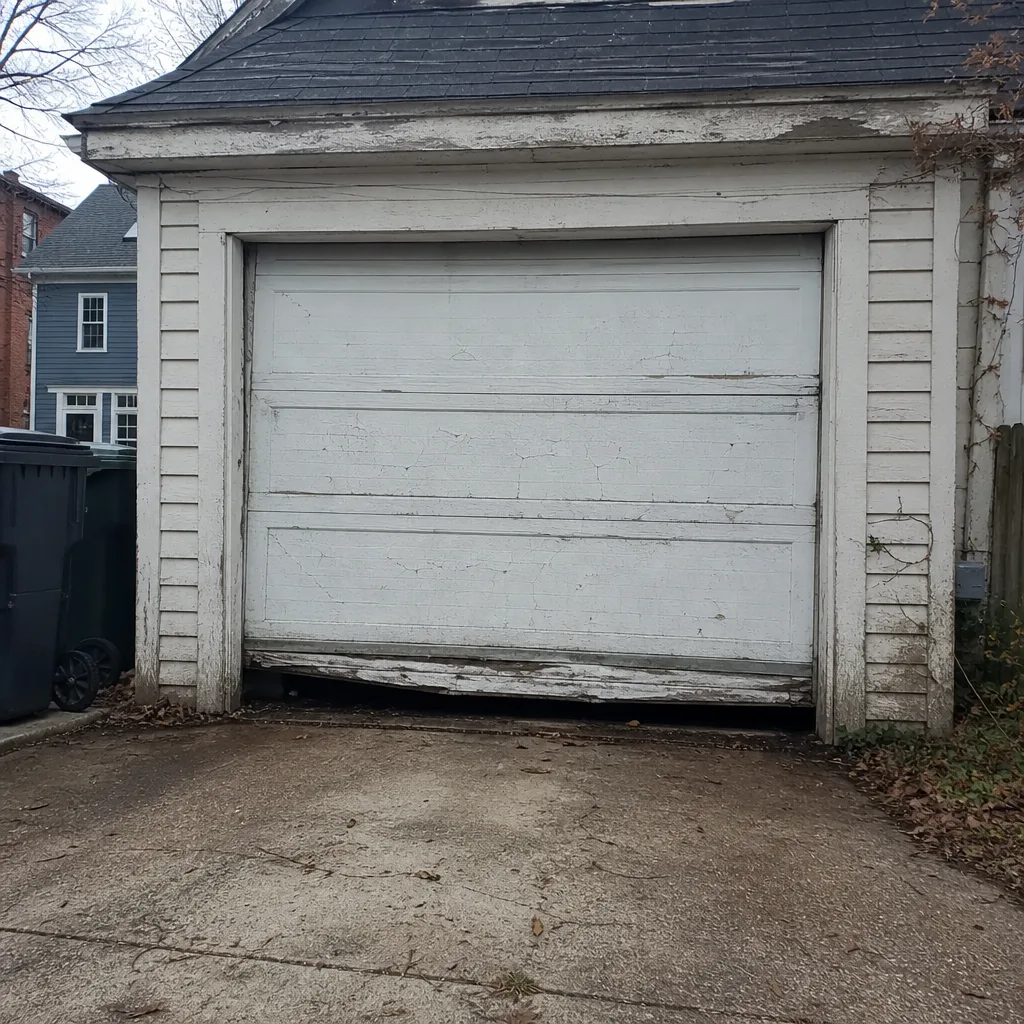 Before
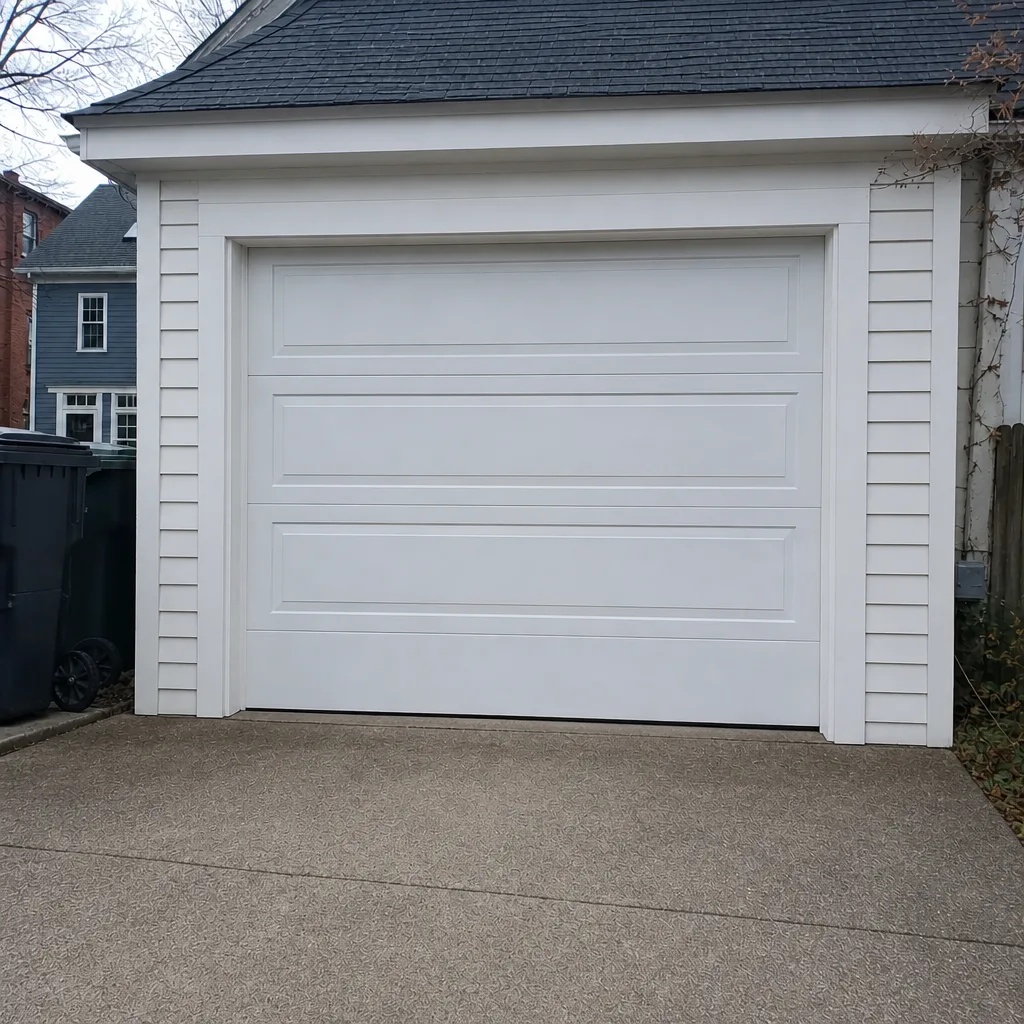 After
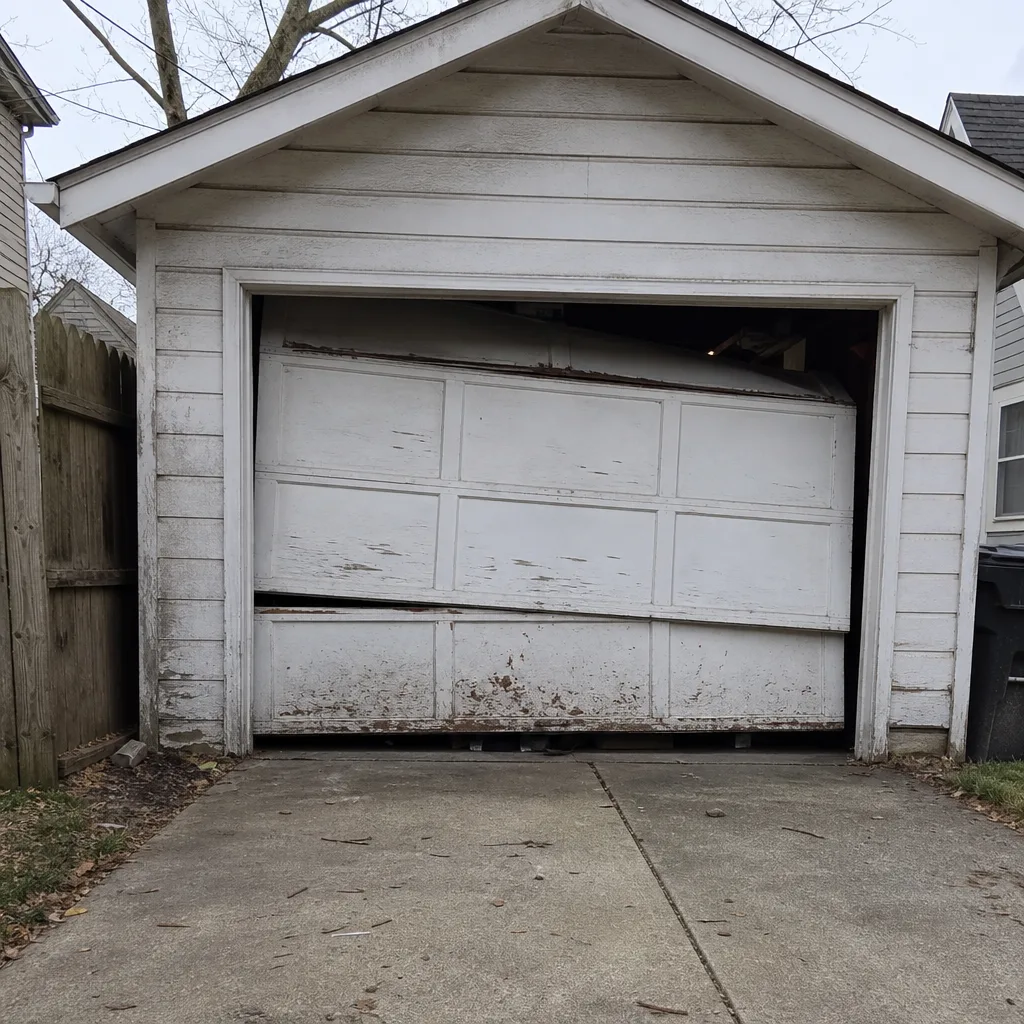 Before
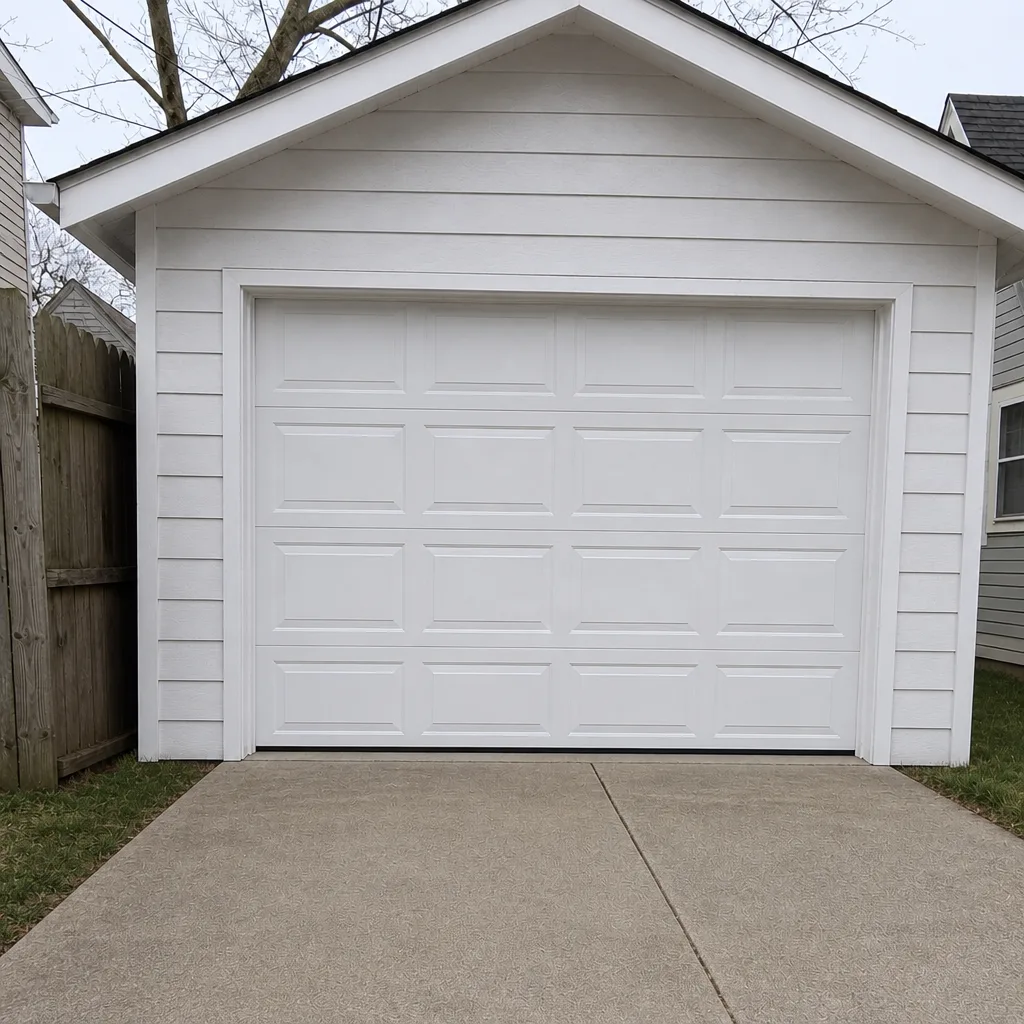 After
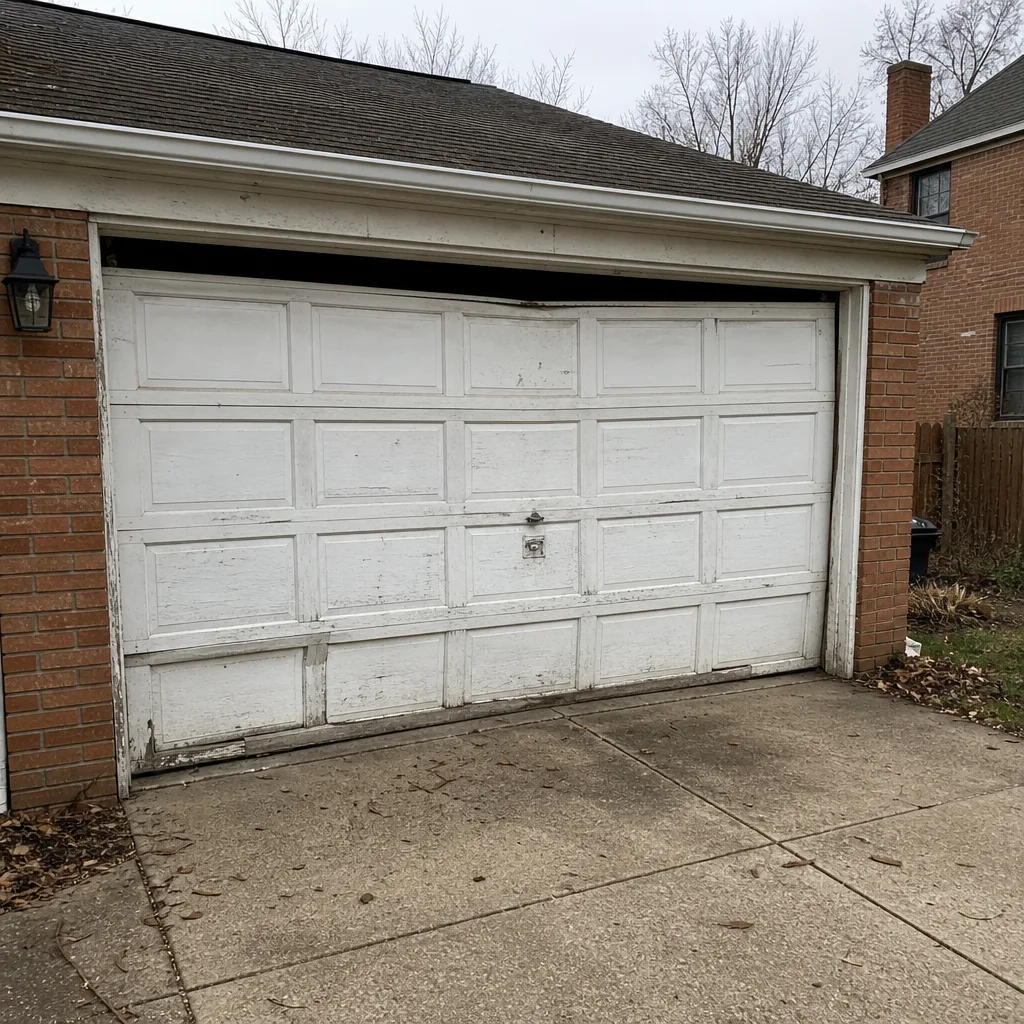 Before
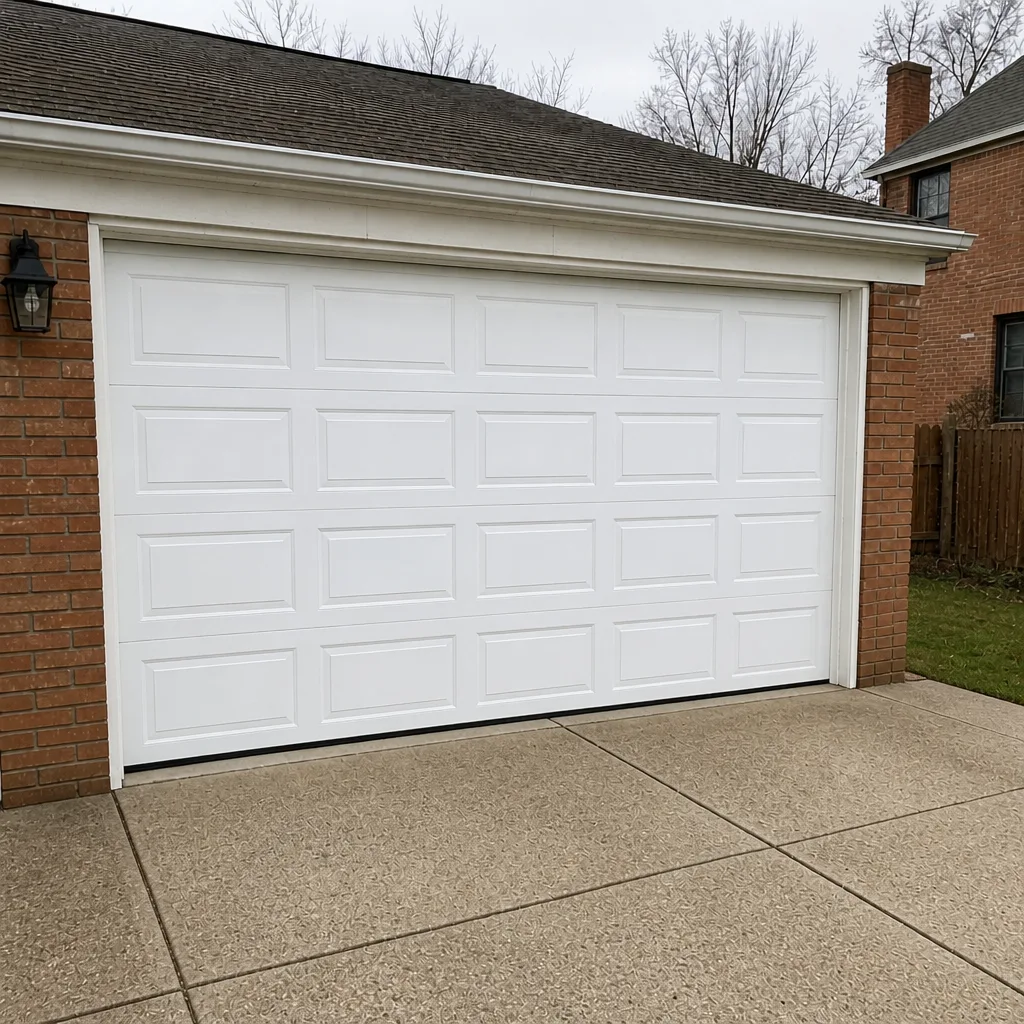 After
When to Call a Professional
Some faults are obvious: a spring that snapped with a bang, a door that won’t raise, an opener that hums and sits still. Others are quieter – a door that binds partway up, rollers that squeal, a sensor that keeps blinking. Any of those is a reason to call. So is anything involving the spring system or the cables, which we don’t want you working on yourself.
If a panel is dented, a track is bent, or the opener’s gear has stripped, our team can assess it and quote the fix in writing. The price is agreed before any work starts. Garage Door Repair German Village offers free estimates in German Village – call (888) 398-5080. We answer 24/7, with fast dispatch from 7am to 7pm, Sunday through Friday, and our technicians have up to 10 years of experience on the major brands.
Frequently Asked Questions
Spring repair in German Village typically runs $150 to $350 for one spring, and about double that for a matched pair, since the pair is replaced together. Torsion springs and extension springs price differently, so the written estimate after inspection sets the final figure. Call (888) 398-5080 for an exact quote – estimates are free.
We offer same-day service for garage door problems, including a snapped spring or a door that won’t open. We answer 24/7, with fast dispatch from 7am to 7pm, Sunday through Friday, and a call outside dispatch hours is booked into the next opening. Call (888) 398-5080 to schedule.
No. The written estimate sets the price, and it’s agreed before any work starts. If we find a different part is the actual culprit once we’re on site, we’ll tell you and re-quote before doing the work. Call (888) 398-5080 for a free estimate.
The local pro we connect you with is licensed and insured as their state requires. Our technicians have up to 10 years of experience working on the major garage door and opener brands. Call (888) 398-5080 to talk through your door.
We work on LiftMaster, Chamberlain, Genie, and Craftsman openers, along with the door brands Clopay, Amarr, Wayne Dalton, and Raynor. That covers most of what’s installed in German Village homes. We supply the parts directly, so a repair doesn’t wait on a third-party order. Call (888) 398-5080 for a free estimate.
Repair is usually the right call; replacement makes sense when the panels are structurally damaged or the repair costs approach a new door. Springs, cables, and rollers are normal maintenance items, not reasons to replace. Our team will quote both paths so you can compare. Call (888) 398-5080 – estimates are free.
The Bottom Line
A garage door is a system, not a single part, and in German Village that system faces the same four-season wear and tight alleys that shape the neighborhood. Springs carry the load, the opener guides the door, and the track and rollers keep it moving straight. Get one of those wrong and the door complains. The practical takeaways: have springs checked before blaming the opener, replace matched springs together, keep the weather seal in shape before winter, and ask whether historic-district review applies before ordering a new door. For any repair, the price is in writing before work starts. Call (888) 398-5080. We answer 24/7, dispatch Sunday through Friday from 7am to 7pm, and estimates are free.
Written by the team at Garage Door Repair German Village.