
Last updated November 20, 2026
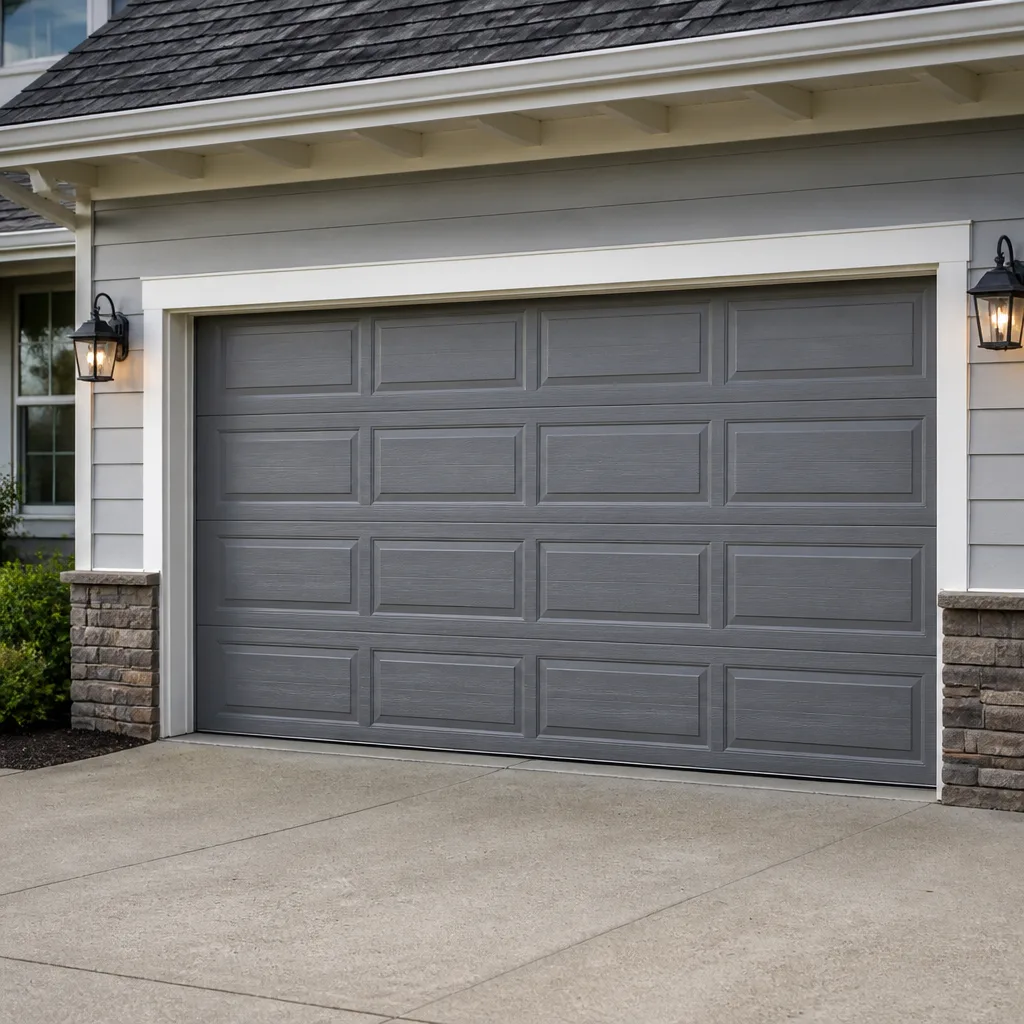 Raised-panel steel
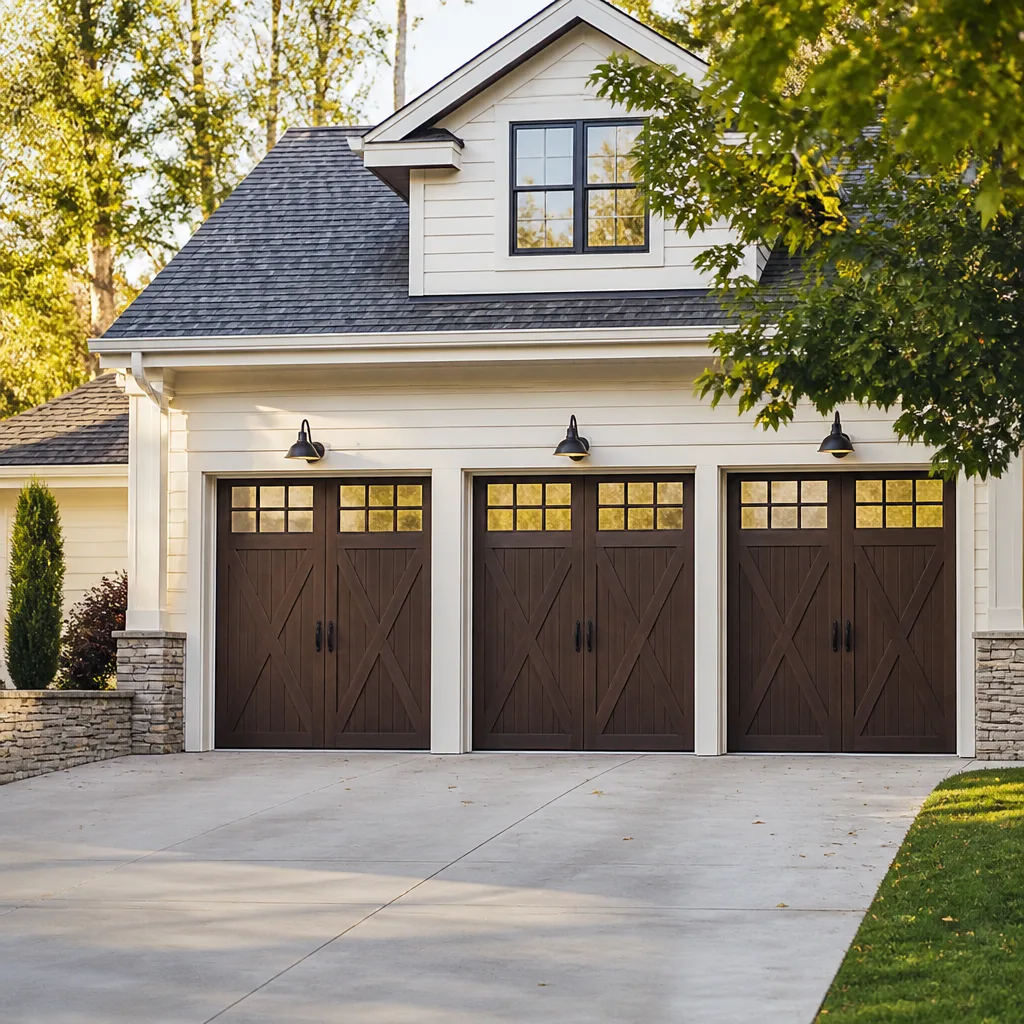 Carriage house
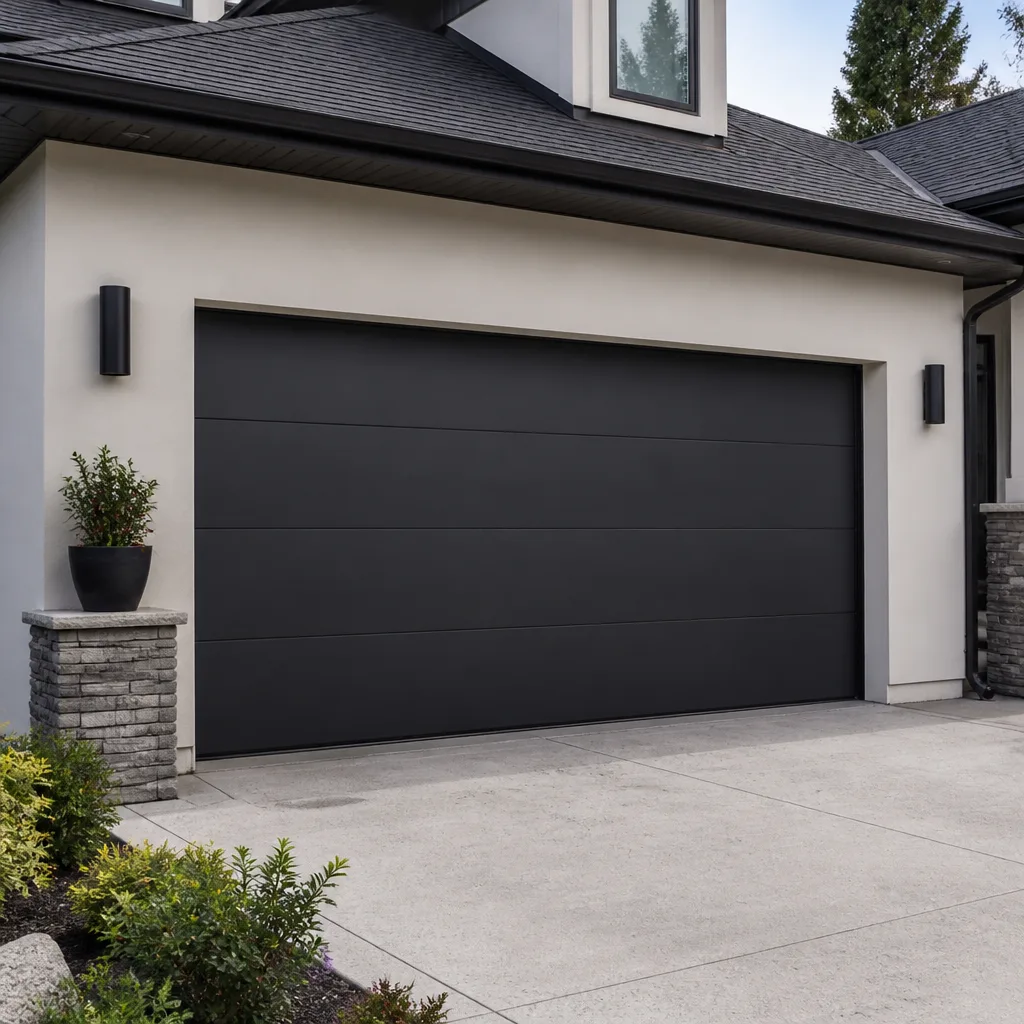 Modern flush
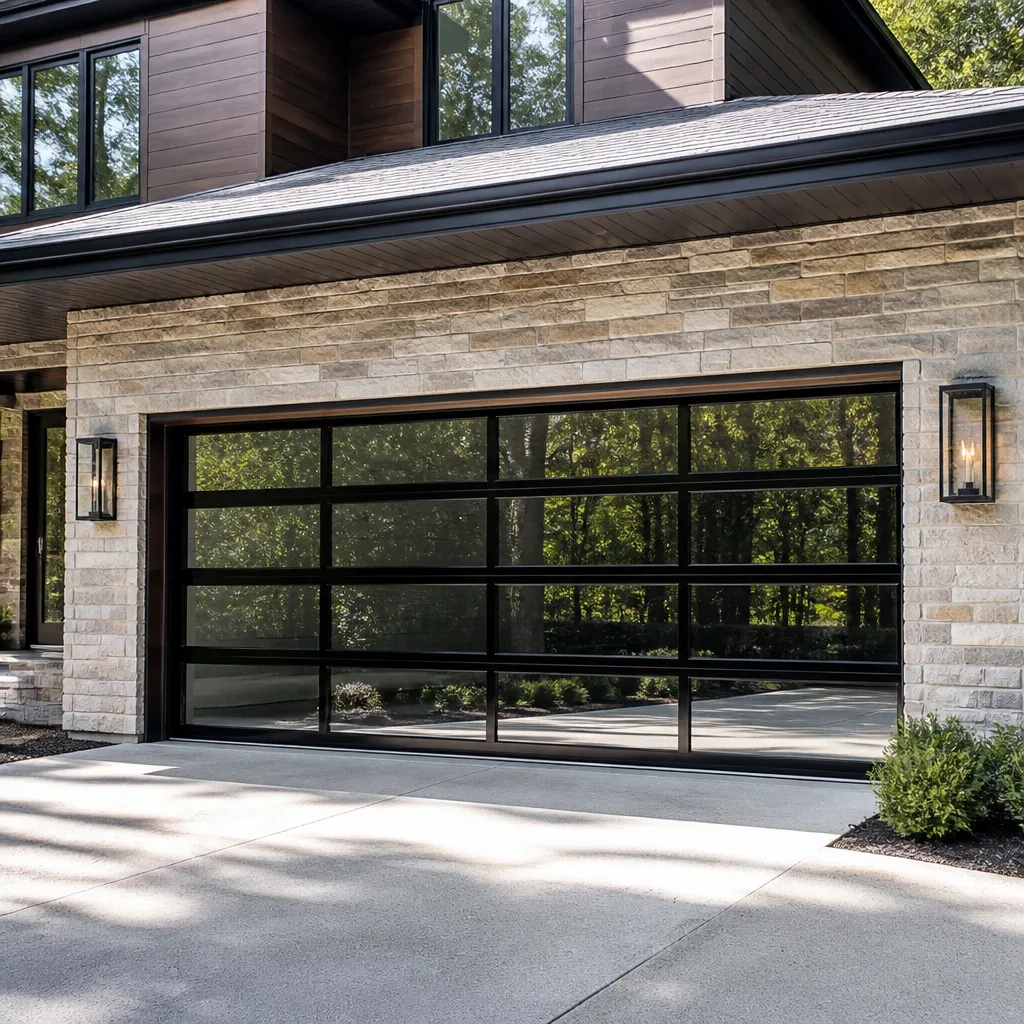 Full-view glass
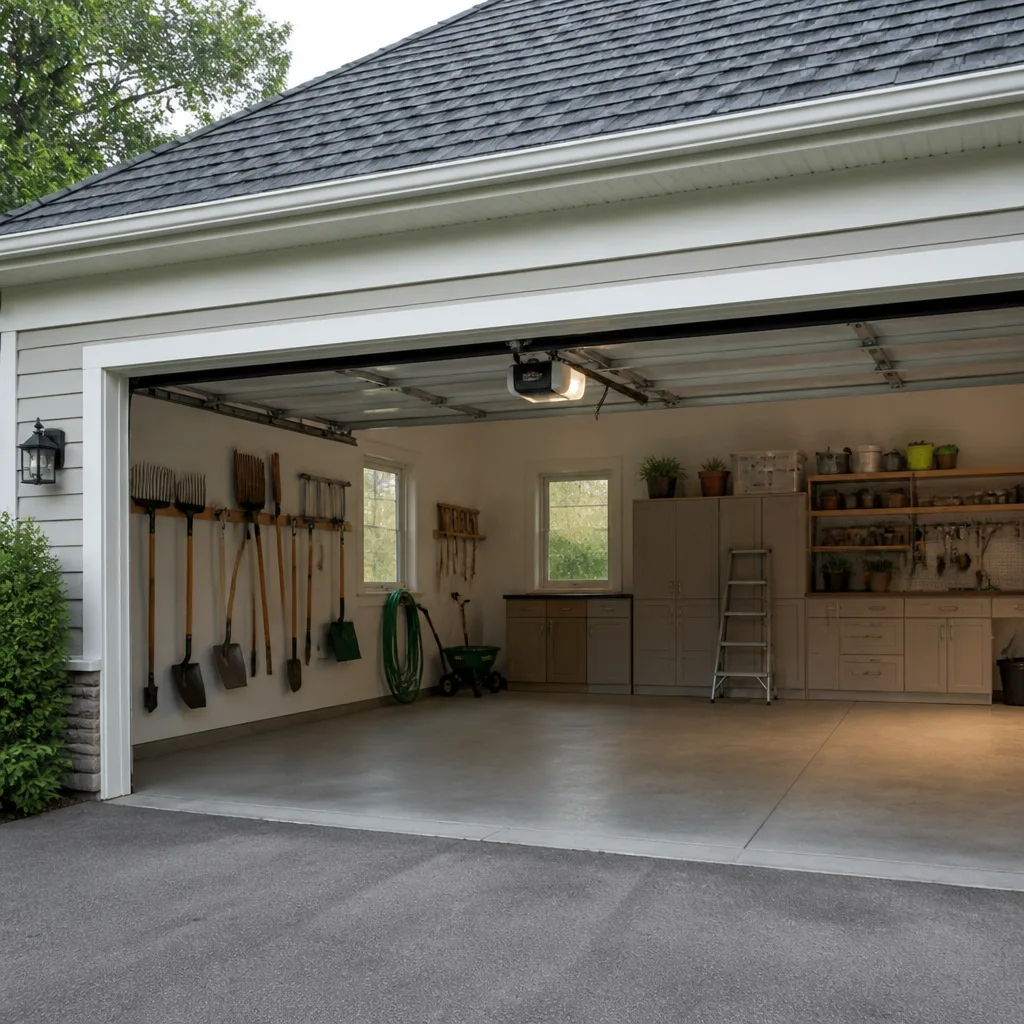 LiftMaster openers
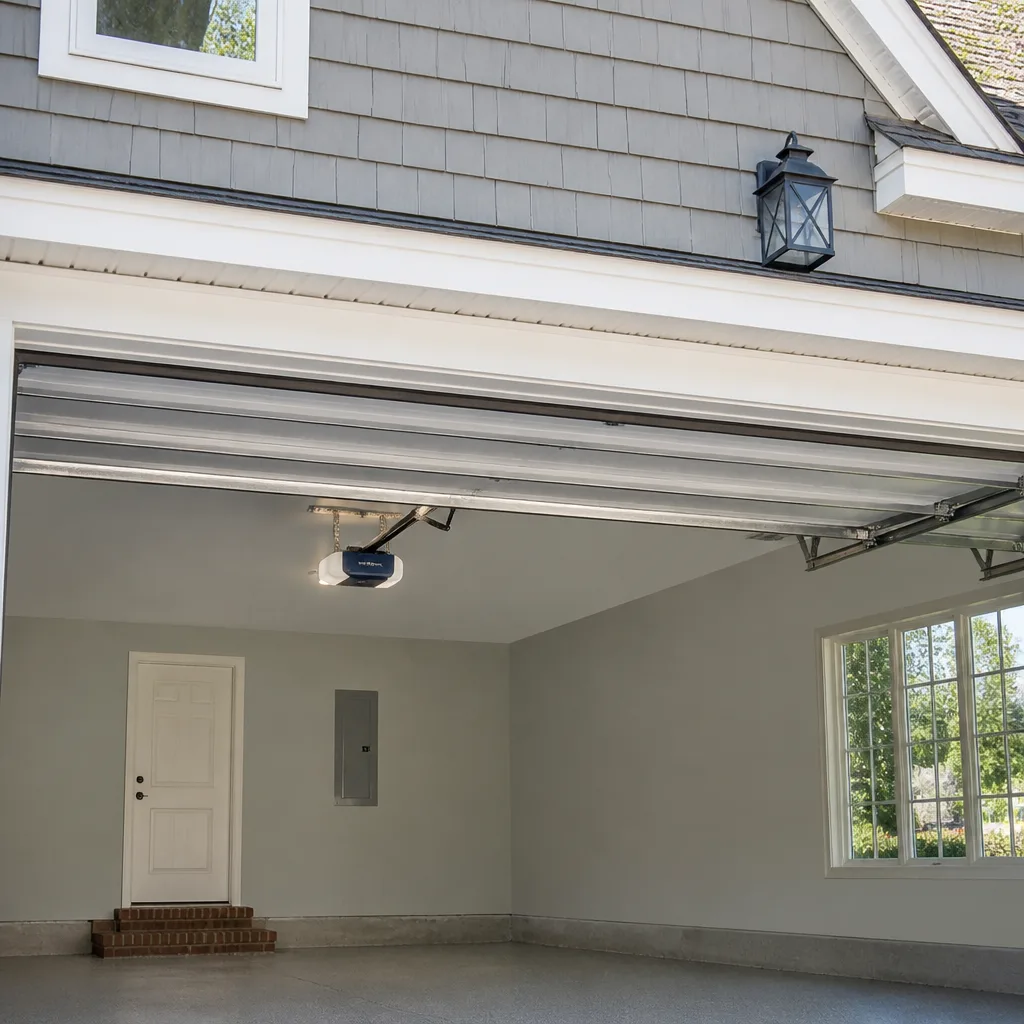 Chamberlain openers
Full 25-point door and opener safety check with every visit - springs, cables, rollers, tracks, and your LiftMaster or Chamberlain opener included
You get a price before we start. It does not change when the pro arrives.
Get your free estimateGarage Door Permits, Codes & Inspections in German Village, OH: What You Need to Know
Most homeowners in German Village assume a garage door is maintenance-free once it’s hung and running. It isn’t. Door and opener work touches structural framing, electrical circuits, and safety equipment, and any of those can pull a permit or an inspection into the job. The bigger misconception is that brick alleys and historic frontage mean the rules are looser. In practice, older housing stock makes the review more careful, not less. This guide covers when a permit is likely in German Village, what the code actually asks of your door and opener, how inspections go for the homeowner, and where the real safety lines sit. You’ll finish knowing which questions to ask the city, what to have ready, and what to leave to a trained technician.
Quick Answer
Garage door replacement and any new electrical circuit for an opener almost always require a permit in German Village, while swapping a spring, cable, roller, or an opener on an existing circuit usually does not. The city’s building department is the only authority on your specific address, so confirm before work starts. Inspections, when they apply, check structural attachment, electrical safety, and the door’s reversal function. The written estimate should spell out who pulls the permit and who meets the inspector.
Styles & brands we work with
- Raised-panel steel
- Carriage house
- Modern flush
- Full-view glass
- LiftMaster openers
- Chamberlain openers
Table of Contents
- Do You Need a Permit for a Garage Door in German Village?
- Permits for a Full Door Replacement
- Opener Installation and Electrical Permits
- What the Code Requires of Your Door and Opener
- Historic Review and Alley-Facing Garages in German Village
- How a Garage Door Inspection Works
- How German Village Weather and Housing Affect Door Condition
- Getting Ready for a Permit or Inspection
Do You Need a Permit for a Garage Door in German Village?
Sometimes yes, sometimes no, and the dividing line is what you’re changing rather than which trade is doing the work. Repairing or replacing components on an existing door generally stays outside the permit process. Replacing the door itself, or running new wiring for an opener, is the kind of work that usually needs one. Because German Village sits inside the city of Columbus, the building department that governs your address is the place to start. A quick call with your address and a description of the work gets you a firm answer before anyone orders parts.
Here’s the rough split we use when a homeowner asks:
- Usually no permit: spring replacement, cable replacement, roller and hinge swaps, track adjustment, panel replacement on an existing frame, opener replacement on an existing outlet and circuit.
- Usually a permit: a full door replacement where the door and its anchoring change, structural changes to the opening or header, and any new electrical circuit or outlet run for an opener.
- Ask first: converting a manual door to an opener where no power exists at the ceiling, widening or heightening the opening, and anything touching a wall shared with a historic structure.
The reason it matters before the work starts, not after, is simple. If a permit turns out to be required and the job is already finished, you’re the one sorting out the paperwork, and the inspection may require opening up finished work to verify what’s behind it. That’s a far more expensive conversation than a phone call. If you’re unsure where your job falls, the answer usually takes a five-minute conversation with the city, and we’re glad to describe the scope in plain terms so you know what to ask. For component-level repairs that don’t touch structure or wiring, garage door repair German Village covers the work without dragging you into a permit process you don’t need.
Permits for a Full Door Replacement
A full door replacement is the clearest case where a permit is usually required. When the door and its anchoring come out, the replacement has to be tied into the opening correctly, and the inspector wants to see how. In German Village that review is worth doing carefully because the garages here are frequently older structures with framing that has shifted or been modified over the years. A door that’s hung to a sound opening works quietly for years. A door hung to an opening that needed attention works until it doesn’t.
The permit process for a replacement typically runs in this order:
- Confirm the requirement. Call the city building department with the address and the scope: remove existing door, install new door, same opening dimensions or changed.
- Submit the application. Most applications want the door specifications, the opening dimensions, and a description of how the door will be anchored. A written estimate from the installer is useful supporting paperwork.
- Get the permit issued before ordering or installing. This is the step homeowners most often skip, and it’s the one that causes trouble later.
- Install. The installation should follow the manufacturer’s anchoring instructions for your opening, not a generic method.
- Schedule the inspection. The inspector checks attachment, balance, and safety function, then signs off.
One practical note for German Village: access. Many garages here are reached from a brick alley, and some openings are tighter than a standard driveway approach. When you’re planning a replacement, tell the installer up front how the new door will physically reach the garage. It affects scheduling, not the permit, but it’s the detail that turns a smooth job into a frustrating one. If a free measure and a written price would help you get the paperwork moving, call (888) 398-5080. We answer 24/7.
The written estimate is the number that matters. It should state whether the permit is included, who pulls it, and what happens if the city asks for something the original scope didn’t cover. Get that in writing before the door is ordered.
Opener Installation and Electrical Permits
Opener work splits along one question: is there already power at the ceiling? Replacing a LiftMaster, Chamberlain, Genie, or Craftsman opener on an existing outlet and circuit is normally a straight swap with no permit involved. Running a new circuit, adding an outlet in the ceiling where none exists, or converting a manual door to an automatic one is electrical work, and electrical work is where permit rules tighten. A licensed electrician handles that side, and the permit, when required, is typically pulled for the electrical scope.
What the code asks of the opener itself is consistent across brands:
- The opener must be on a circuit that can carry it safely, with proper grounding.
- The wall control must be mounted out of reach of small children, typically at least five feet above the floor.
- The photoelectric safety eyes must be mounted at the correct height and aligned so the door reverses when the beam is broken.
- The door must reverse on contact with an object in its path, and the opener must be set to do so.
- If the opener has a battery backup, it needs to be functioning, not just present.
Those checks are the reason an opener job isn’t purely a mechanical swap. Getting the reversal force set correctly is a safety adjustment, and it’s one that a homeowner can’t test by watching the door go up and down. It has to be tested with an obstruction, at the right point in travel, with the door balanced first. We handle that as a standard part of the job, whatever the brand. If your opener is failing and you want to know whether your situation needs an electrician or just a replacement, call (888) 398-5080 and describe what the door is doing. Fast dispatch from 7am to 7pm, Sunday through Friday.
What the Code Requires of Your Door and Opener
Code requirements for residential garage doors center on three things: the door stays attached, the door stays balanced, and the door reverses when it meets an obstruction. Everything else, from label placement to warning tags, serves those three goals. The exact edition of the code your city enforces is a question for the building department, not for a blog post, and we won’t guess at it here. What we can tell you is what those requirements look like in practice, because those are the things an inspector actually checks.
Attachment and balance come first. A door that’s properly attached to sound framing and correctly balanced by its springs stays where you put it, whether that’s halfway up or fully open. A door that has lost spring tension or was hung to a compromised opening will drift, slam, or fail to stay open, and none of those are acceptable when the inspector arrives. If you’re replacing a Clopay or Amarr door, the manufacturer’s anchoring specification is the standard for your opening, and the installation should match it.
Safety equipment comes second, and it’s the part homeowners most often assume is fine:
- Reversal on obstruction. The door must reverse when it contacts something in its path. This gets tested with a solid object, not a hand.
- Photoelectric eyes. Mounted at the correct height, aligned, and wired so that breaking the beam reverses a closing door.
- Wall control placement. Out of reach of children, and the control should not allow the door to be operated from inside the garage in a way that defeats the safety system.
- Labels and warning tags. Present and legible, which matters if the door or opener has been repainted or modified.
One caution before you test any of this on your own: the springs and cables that control the door are under extreme tension, and the door itself is heavy. Reversal testing is safe. Reaching into the spring assembly or adjusting cables is not, and we don’t recommend it for anyone. Leave the balance work to a trained technician and keep your own checks to the safety equipment and the door’s travel. If you want the door verified end to end, our technicians have up to 10 years of experience and can walk the whole system with you before an inspection so there are no surprises on the day.
Historic Review and Alley-Facing Garages in German Village
German Village carries historic character that shapes how exterior work is reviewed, and garages are no exception. The specific rules that apply to your property depend on the address and the scope, so the right move is to ask the city whether a historic or design review applies to your garage door replacement before you order anything. That’s a question the building department can answer, and it’s better answered early. A door that matches the approval and a door that doesn’t are both the same price until one of them has to come back off.
What we’ve learned working in German Village is that the practical constraints show up before the paperwork does:
- Alley access. Brick alleys are common, and some are narrow enough that a full-size delivery truck can’t get through. Tell your installer how the door reaches the garage, and expect the delivery to be planned around it.
- Older openings. Framing and headers here have had decades to settle and shift. A replacement is the right time to check the opening, not after the new door is hung.
- Attached and detached garages. Both exist in German Village, and the approach to ventilation, power, and access differs between them. An attached garage shares a wall with the house and sometimes shares a circuit.
- Exterior appearance. If any historic review applies to your address, exterior door style and color can matter. Ask before ordering, not after the door arrives on the alley.
None of that makes a German Village replacement harder than a replacement elsewhere. It makes the planning step more important than the installation step, and suggests you line up the design question and the access question in the same week you call for the measure. That way the written estimate reflects reality, and the permit application doesn’t have to be revised. When the door is a custom size or a panel style ordered to match the house, the measure has to be exact, so the scheduling side of the job runs on the manufacturer’s timeline. That’s normal for a replacement, and it’s the reason we don’t promise same-day work on installs.
How a Garage Door Inspection Works
A garage door inspection is a short visit that checks attachment, balance, and safety function, and in most cases the homeowner can be present for the whole thing. The inspector arrives with the permit application in hand and confirms that what was installed matches what was described. There’s no drama to it. The door opens, closes, reverses on obstruction, and the safety eyes do their job. The parts of the system an inspector looks at most closely are the anchoring, the springs, and the reversal setting.
Here’s what a homeowner can do beforehand to keep the visit clean:
- Clear the garage floor and the door’s path. The inspector needs room to test travel and reversal without moving things around.
- Know where the wall control is and confirm it works. A control that doesn’t respond is a red flag on the day.
- Test the safety eyes yourself, safely. Break the beam with a solid object and confirm the door reverses. If it doesn’t, call before the inspection so the adjustment happens on your schedule, not the inspector’s.
- Have the permit and the estimate on hand. The inspector will want to match the scope to the permit.
- Don’t lubricate, adjust, or “fix” anything the day of the inspection. If something isn’t right, it’s better found and corrected than covered up.
If the inspector finds a problem, it’s usually something small: an eye that’s slightly out of alignment, a force setting that’s too high, a label that’s been painted over. Those get corrected and the inspection is re-run. The scenario that’s expensive is finding that a required permit was never pulled, because the fix is retroactive and the work is already finished. If you’re scheduling an inspection and want the door verified before the inspector arrives, call (888) 398-5080. We answer 24/7 and we can book a check ahead of the appointment.
How German Village Weather and Housing Affect Door Condition
German Village gets a real winter and a real summer, and the doors here live through both on older frames. Cold snaps stiffen lubricant and shrink metal, which is when a spring that was already tired will let go. Summer heat and humidity swell wood and expand metal, which is when a door that ran fine in March starts to bind in July. Add an aging housing stock with settled framing, and a door that was correctly installed years ago can drift out of alignment without anything actually breaking. The components wear faster when they’re fighting an opening that’s no longer square.
The practical consequences for German Village:
- Springs sit at the top of the list. Cold-weather failures are common, and a snapped spring leaves the door stranded. Springs are our specialty, and we handle them as a front-line service, not an afterthought.
- Openers work harder in winter. A door that’s slightly out of balance loads the opener, and a LiftMaster or Chamberlain unit that was fine in fall can start stalling or reversing on the first cold morning.
- Wood and older framing move. Seasonal movement in an older German Village garage isn’t damage, it’s normal, but it can push a door out of alignment and wear rollers and hinges faster.
- Moisture affects the tracks and hardware. Rust on tracks and hinges is a maintenance item. It’s nothing like salt-air corrosion, which isn’t a factor here, but a door that sits damp in a shaded alley will need attention sooner than one that dries out.
None of that changes the permit picture in any given year. It changes how often a German Village door needs a mechanical check, and it’s why we tell homeowners here to have the springs and balance looked at before the first cold stretch rather than after. A door that’s balanced and lubricated in October usually gets through the winter without a call. One that’s been stiff since August usually doesn’t. If your door has started to feel heavier or slower than it used to, that’s the signal, and it’s worth a look before it becomes a broken spring on a cold morning. Call (888) 398-5080 for a free estimate.
Getting Ready for a Permit or Inspection
Preparation for a permit or inspection is mostly a matter of information and access. You need the address, the scope of work in plain language, the door or opener specifications if there’s a replacement involved, and a clear path for the inspector. None of it is complicated, but missing one piece is what turns a single phone call into three. In German Village, add the access question for an alley-facing garage and the historic-review question if it applies to your address, and you’ve covered everything the city is likely to ask.
Our advice to homeowners here is to run the questions in this order:
- Scope first. Write down exactly what’s changing: door only, opener only, door plus opener, or new electrical.
- City second. Call the building department with the address and the scope, and ask whether a permit applies and whether a historic review applies.
- Measure third. Get the door measured and the written estimate prepared, including whether the permit is in the scope.
- Order fourth. Only place the order once the permit question is answered.
- Inspect last. Schedule the inspection as soon as the work is done, and verify the door’s safety function before the inspector arrives.
The estimate should be free, and the price should be quoted and agreed before any work starts. If a contractor won’t put the permit scope in writing, that’s your answer about how the job will go. We’re happy to describe the work in terms the city understands, so you can make the call with confidence. The parts for the repair or replacement come from our own supply, which means we’re not waiting on a third-party order to finish what we started. That matters most when a door is out of service and the household is waiting on it.
Common Mistakes to Avoid
- Skipping the permit call because the door “looks the same.” A replacement door on the same opening can still require a permit, and the city decides based on the work, not the appearance. Call before you order.
- Assuming a component repair needs a permit. The reverse is also common: homeowners pay for a permit they didn’t need on a spring or opener swap. Ask, and describe the scope honestly.
- Not asking whether historic review applies. In German Village, exterior door style and color can be reviewed for some properties. It’s a question for the city, and it’s cheaper to ask before the door is on the alley.
- Forgetting the alley access question. A door that can’t reach the garage on a brick alley is a scheduling problem nobody planned for. Tell your installer how the delivery arrives.
- Testing safety equipment by hand. The reversal test uses a solid object, not a hand or a foot. Hands and feet are exactly what the safety system exists to protect.
- Touching the springs. This is the one mistake we won’t negotiate. Springs and cables are under extreme tension and a mistake there causes serious injury. It’s a trained-technician job, full stop.
- Letting a stiff door wait out the season. A door that’s heavier or slower than it used to be is telling you the balance has changed. Waiting usually converts a small adjustment into a broken spring.
See the difference
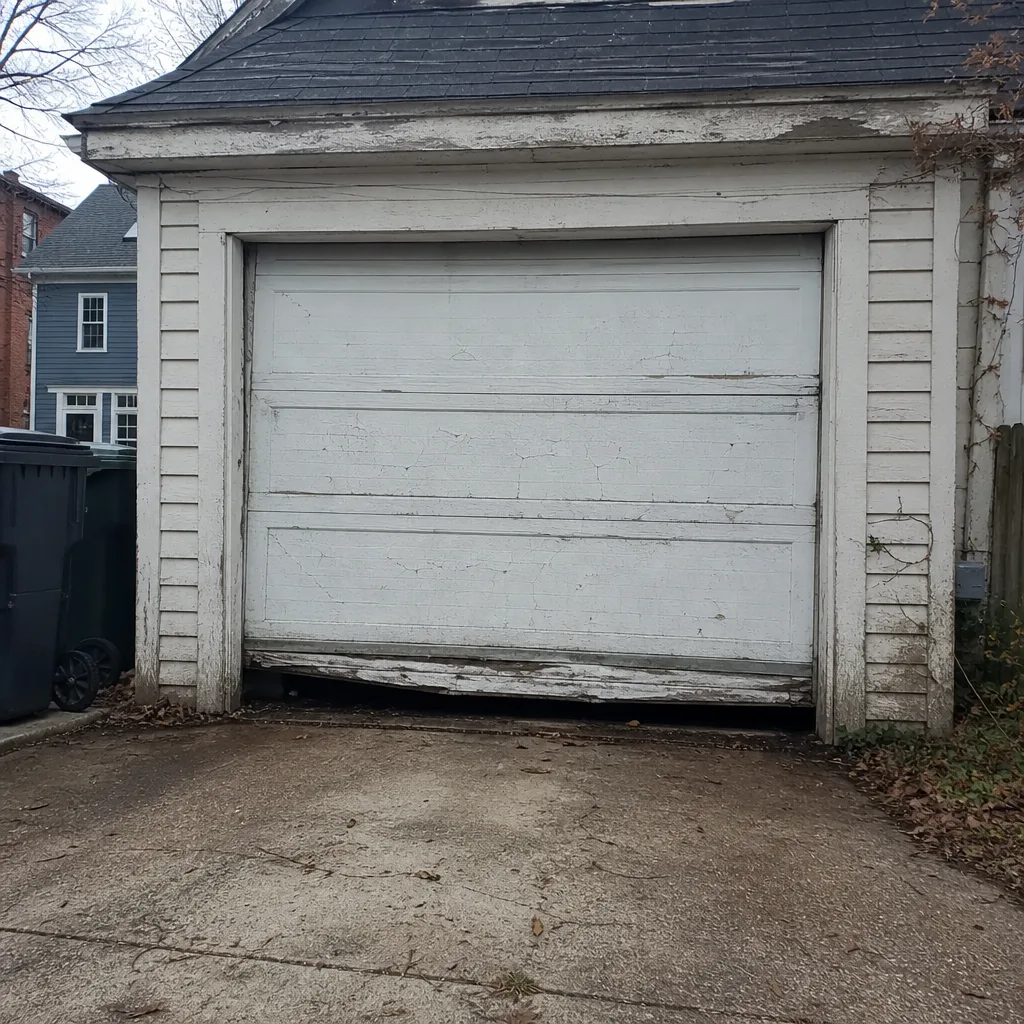 Before
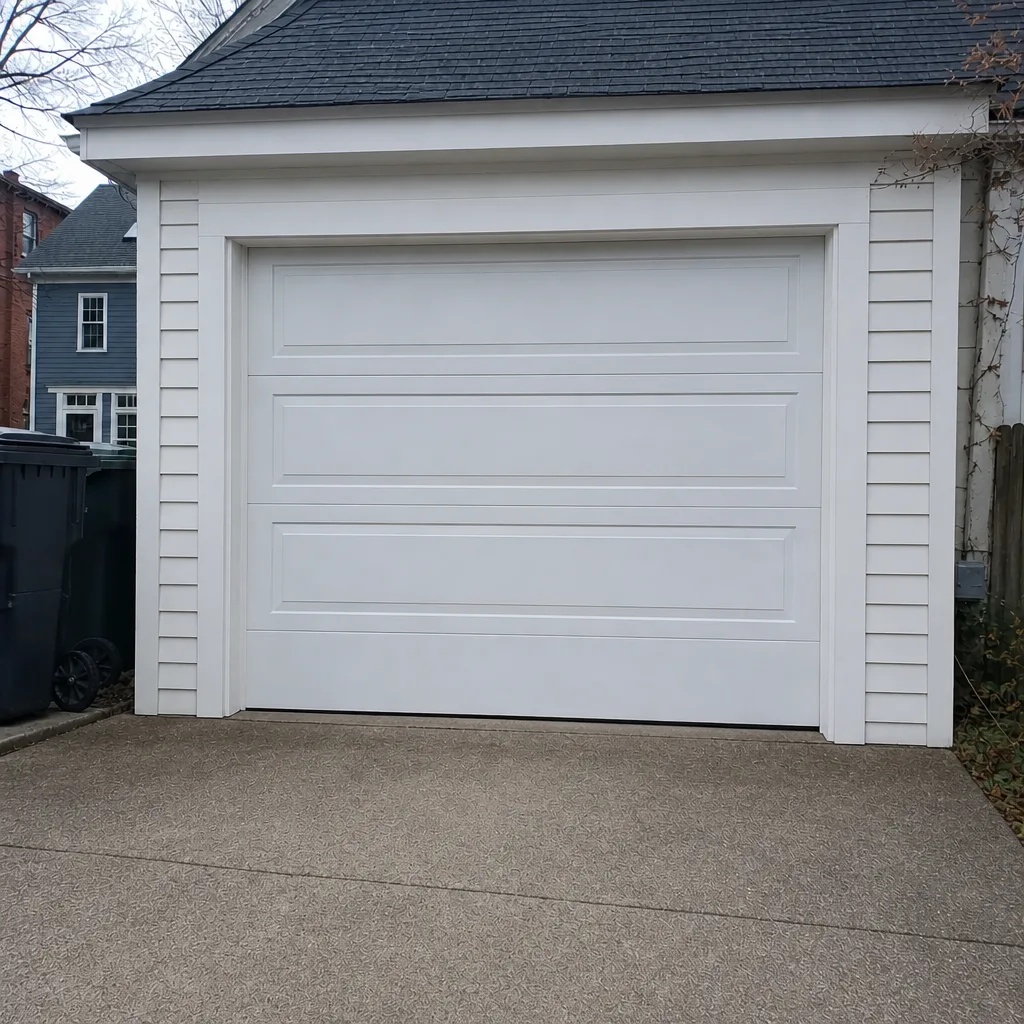 After
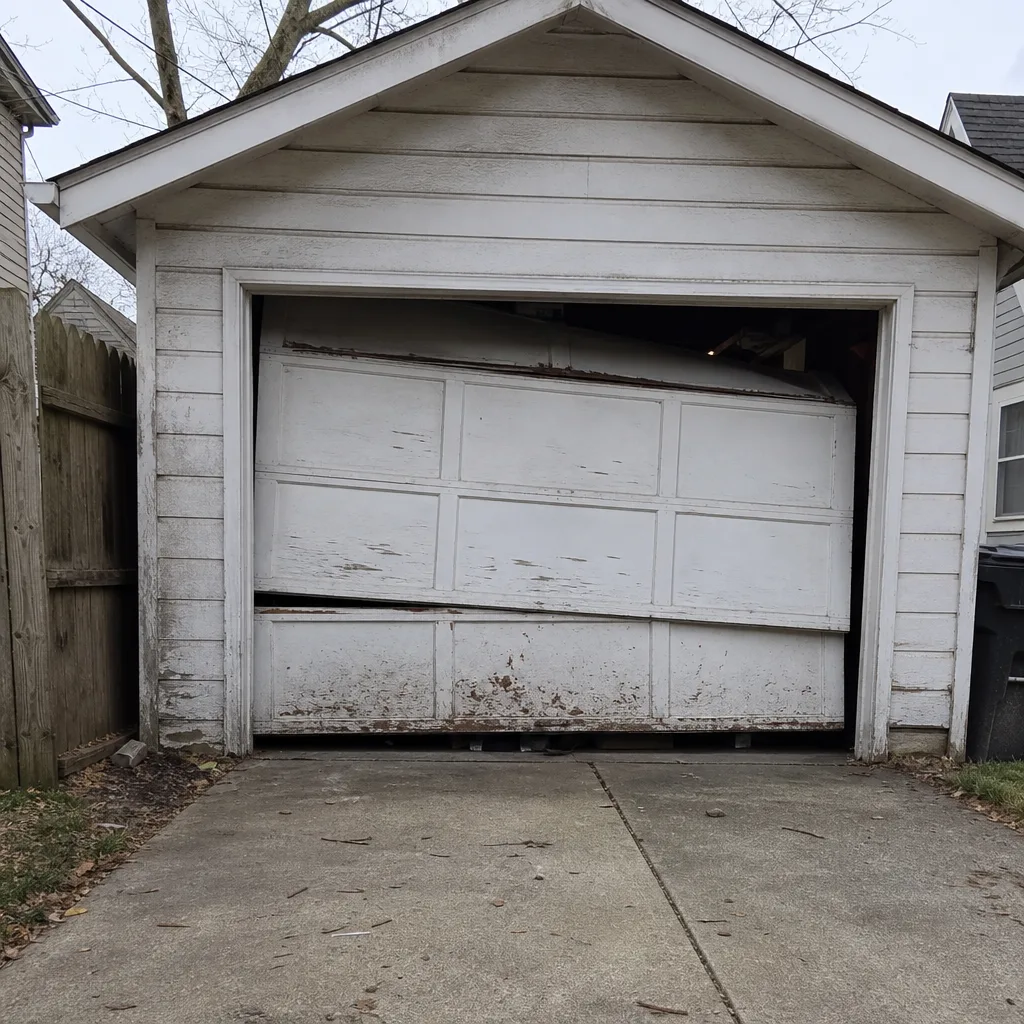 Before
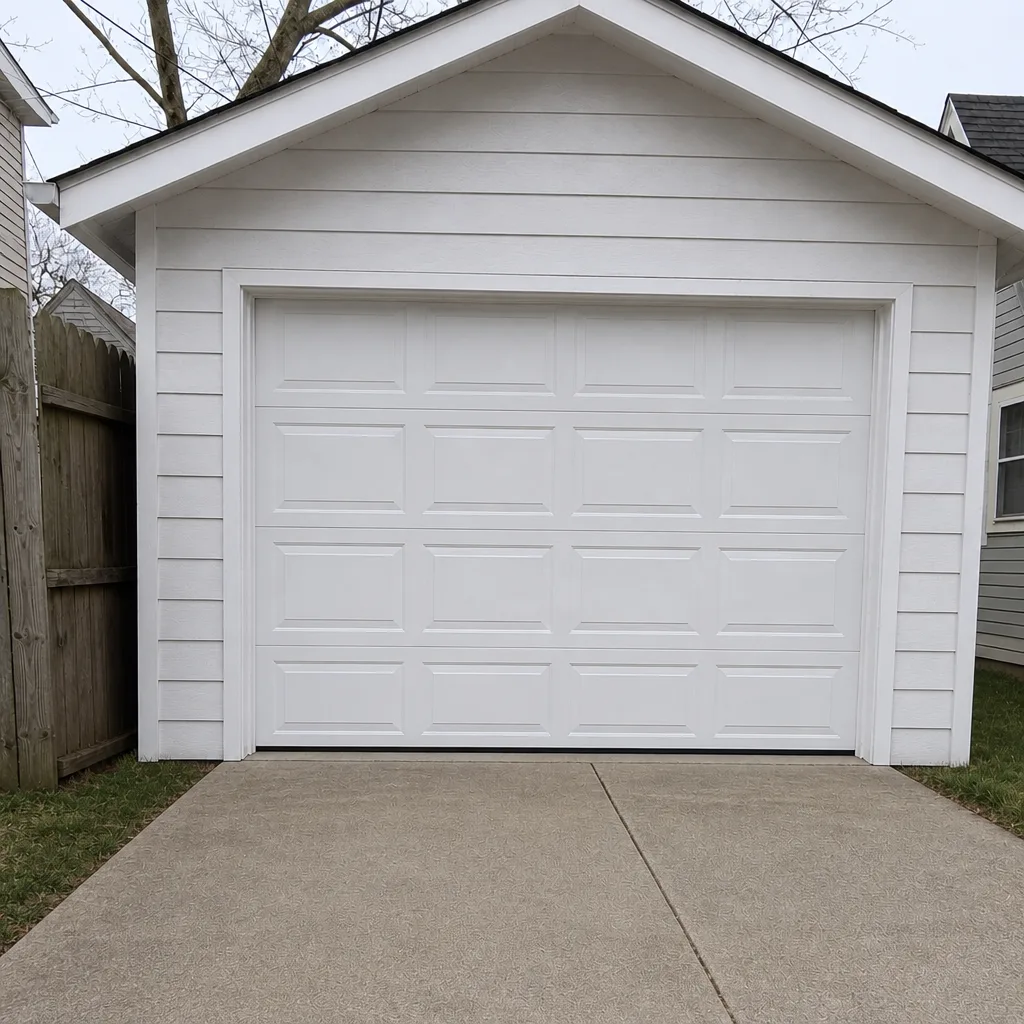 After
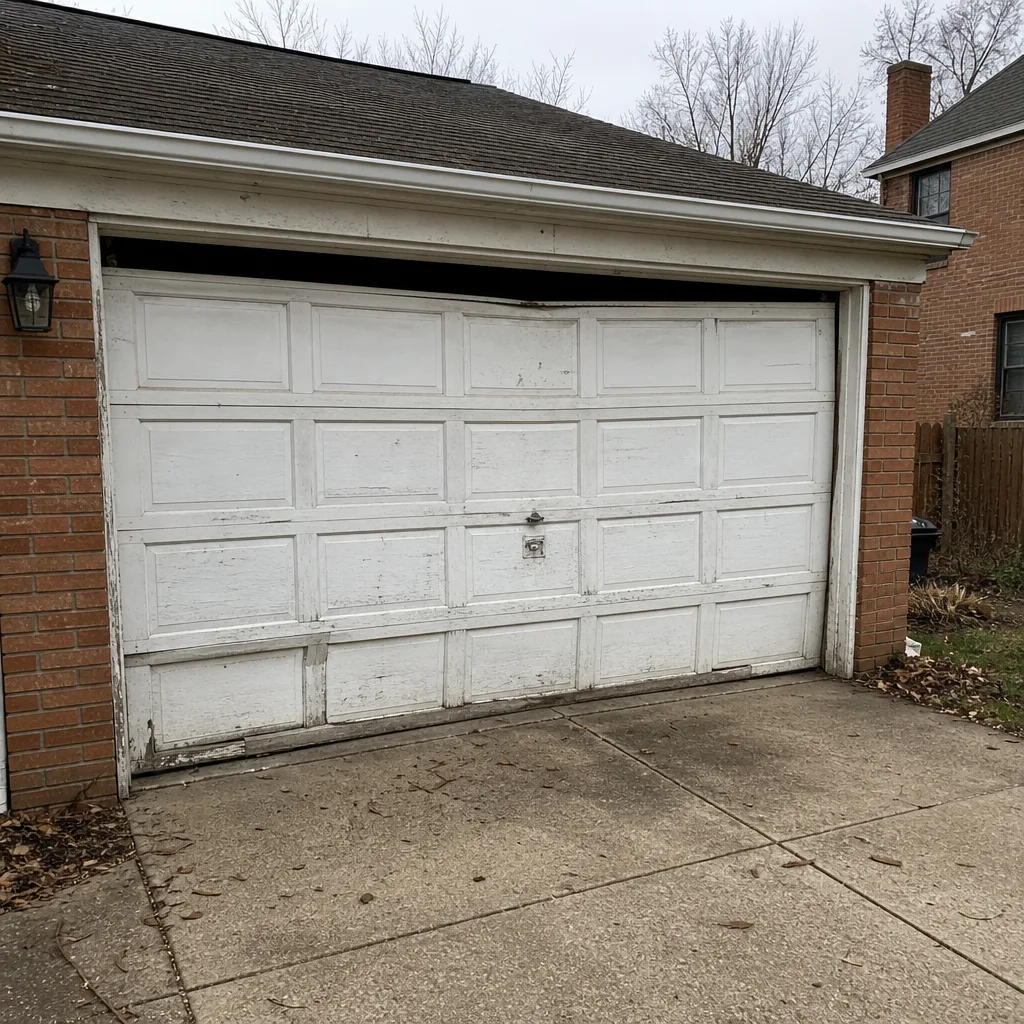 Before
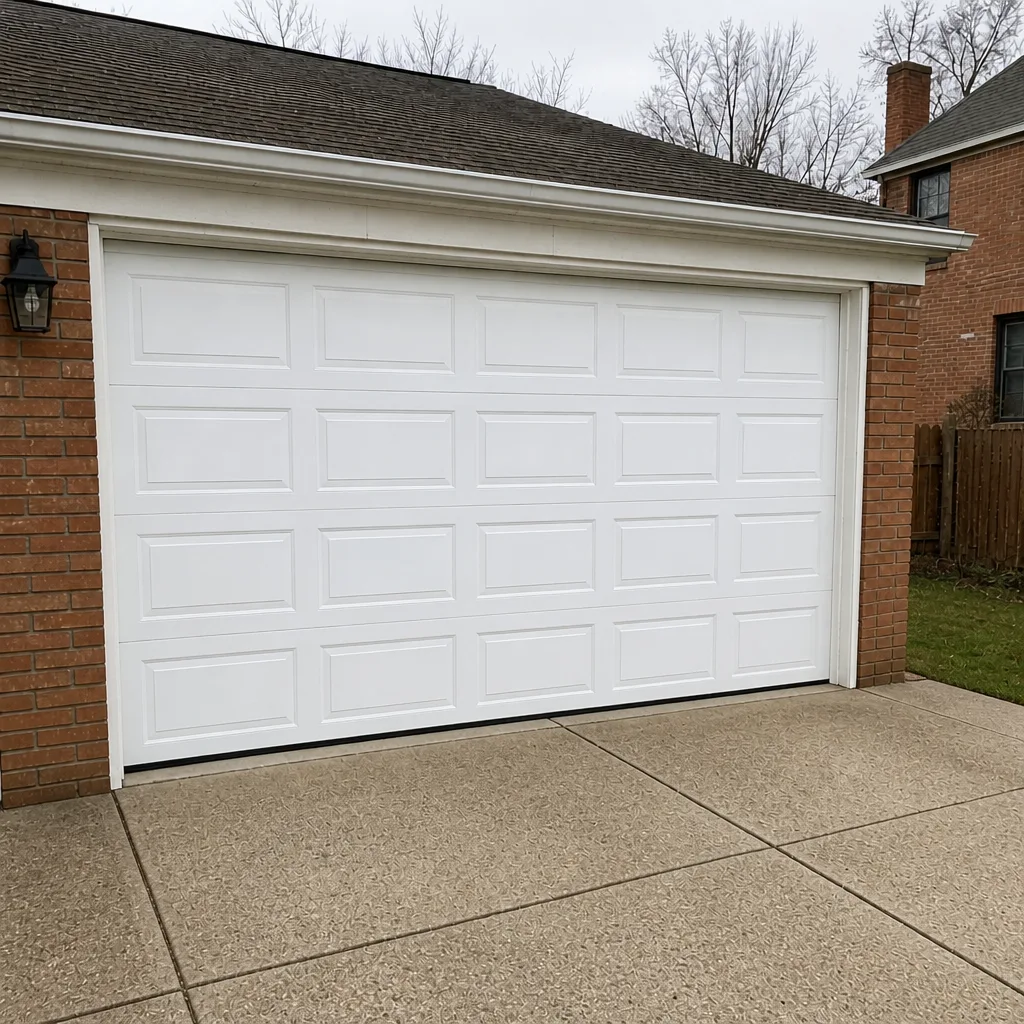 After
When to Call a Professional
Call a professional when the door won’t stay open, won’t close all the way, reverses without an obstruction, or feels noticeably heavier than it used to. Call when a spring snaps, when a cable comes off its drum, or when the door hangs crooked in the opening. Call when the opener runs but the door doesn’t move, or moves and stops partway. Call when the safety eyes won’t align, when the wall control stops responding, or when the door reverses on its own in cold weather. And call when you don’t know which of these is happening, because a door that’s misbehaving for an unknown reason is a door that needs a trained eye on it. German Village, OH homeowners can reach Garage Door Repair German Village for a free estimate – call (888) 398-5080. We answer 24/7. Fast dispatch from 7am to 7pm, Sunday through Friday, and the written estimate sets the price before any work starts.
Frequently Asked Questions
Usually yes. A full door replacement where the door and its anchoring change typically requires a permit, while replacing a spring, cable, or opener on an existing circuit usually does not. The city building department is the authority for your specific address, so confirm before ordering. Call (888) 398-5080 for a free estimate – the written estimate should state who pulls the permit.
It depends on whether new wiring is involved. Swapping an opener on an existing outlet and circuit normally doesn’t require one, but a new circuit, a new ceiling outlet, or converting a manual door to an automatic one usually does. A licensed electrician does that side of the work. Call (888) 398-5080 to sort out which situation you’re in.
It checks attachment, balance, and safety function: that the door is anchored correctly, stays where it’s put, reverses on obstruction, and that the photoelectric eyes are mounted and wired properly. The inspector also confirms the installation matches the permit scope. Call (888) 398-5080 if you want the door verified before the inspection so nothing gets flagged on the day.
No. The written estimate is the price, and it’s quoted and agreed before any work starts. If the door turns out to need something outside the original scope, we tell you before touching it, not after. That’s the reason the measure comes before the quote. Call (888) 398-5080 for a free estimate in German Village.
The local professionals we connect you with are licensed and insured as their state requires. Our technicians have up to 10 years of experience, and spring work is handled as a core specialty rather than a side job. Call (888) 398-5080 to talk through what your door needs.
No. Garage door springs are under extreme tension and a mistake there causes serious injury, so this is a trained-technician job. Replacing a spring typically doesn’t require a permit, but it does require the right tools, the right spring, and a properly balanced door afterward. Call (888) 398-5080 and we’ll take it from there.
The Bottom Line
The garage door rules in German Village come down to three checks: does the work need a permit, does the door meet code on attachment and reversal, and does an inspection apply. Full door replacements and new opener wiring usually need a permit. Component repairs and opener swaps usually don’t. Historic review depends on your address, and the city is the only source for that answer. Get the permit question settled before you order parts, put the permit scope in the written estimate, test the safety equipment by the book, and never work on the springs yourself. That’s the whole guide. For a free estimate in German Village, call (888) 398-5080. We answer 24/7, with fast dispatch from 7am to 7pm, Sunday through Friday.
Written by the team at Garage Door Repair German Village.