
Last updated November 20, 2026
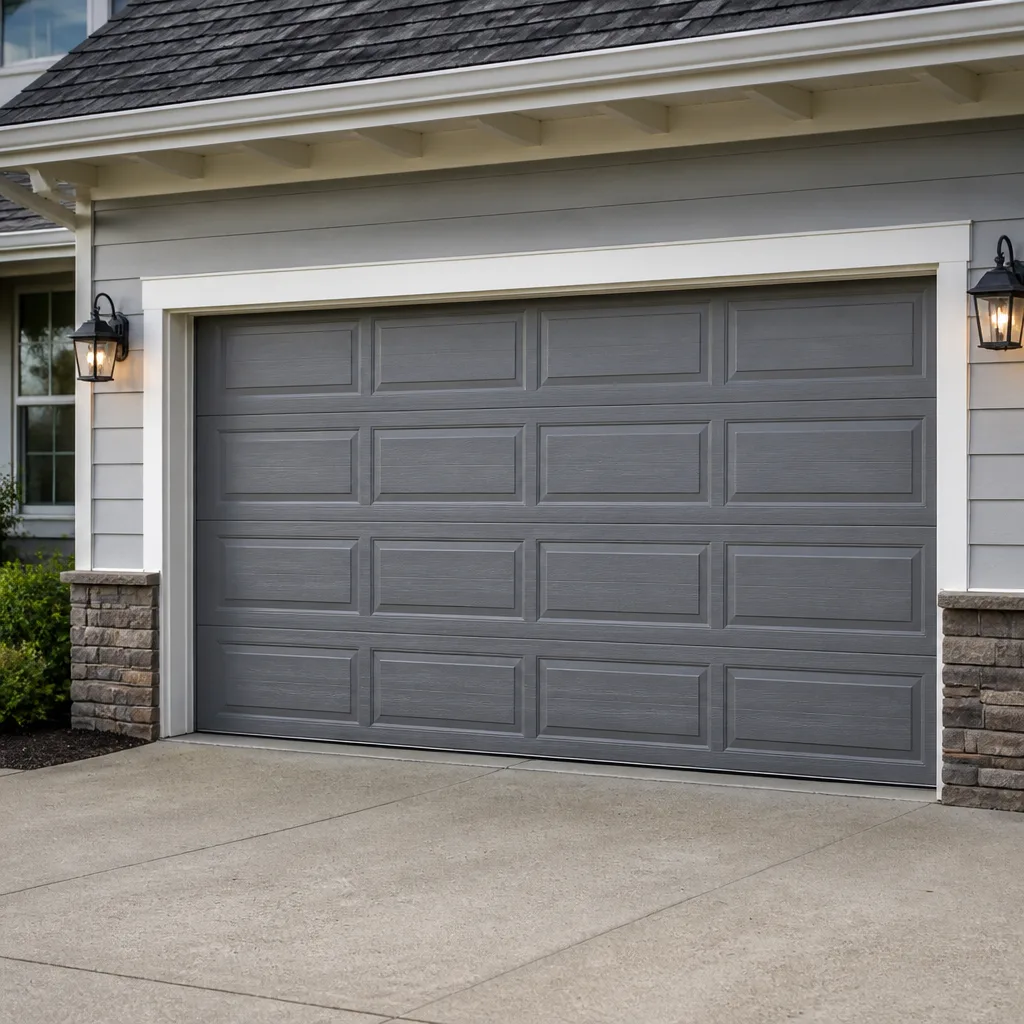 Raised-panel steel
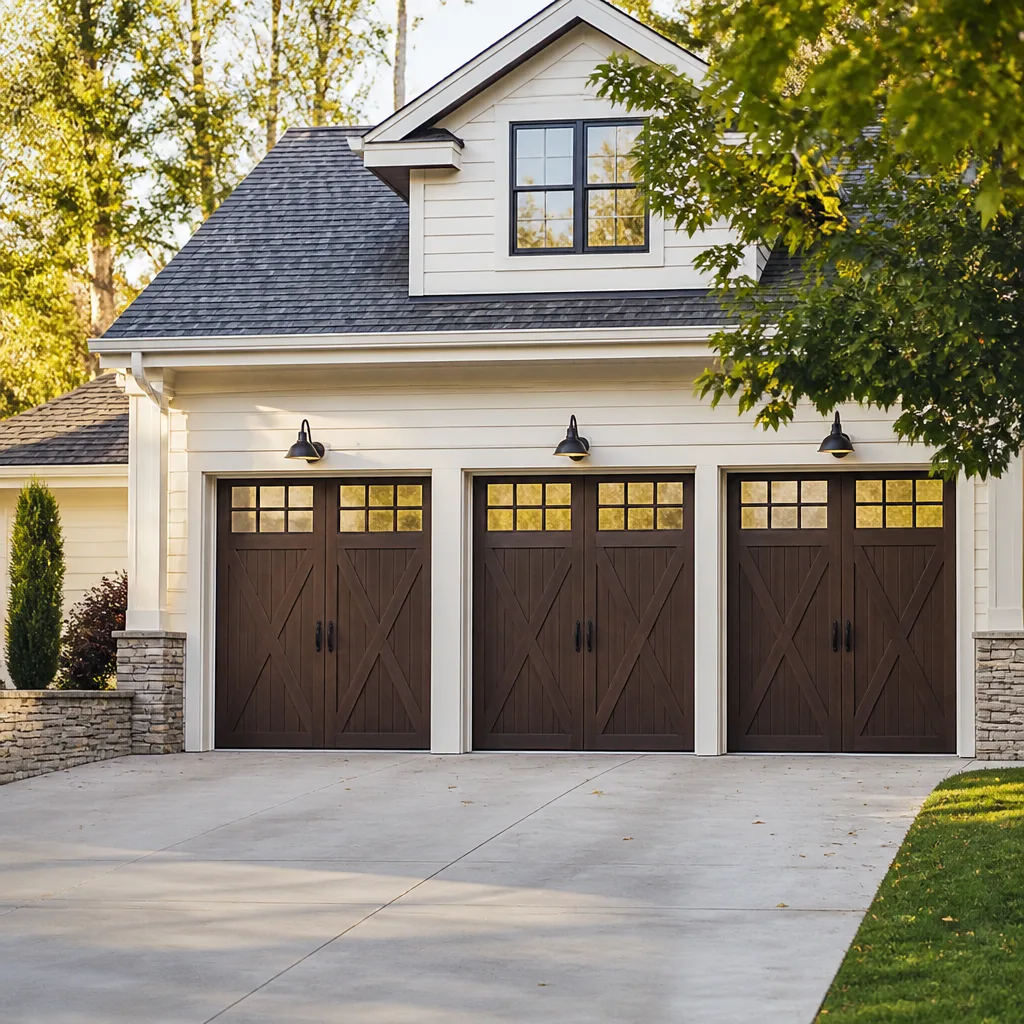 Carriage house
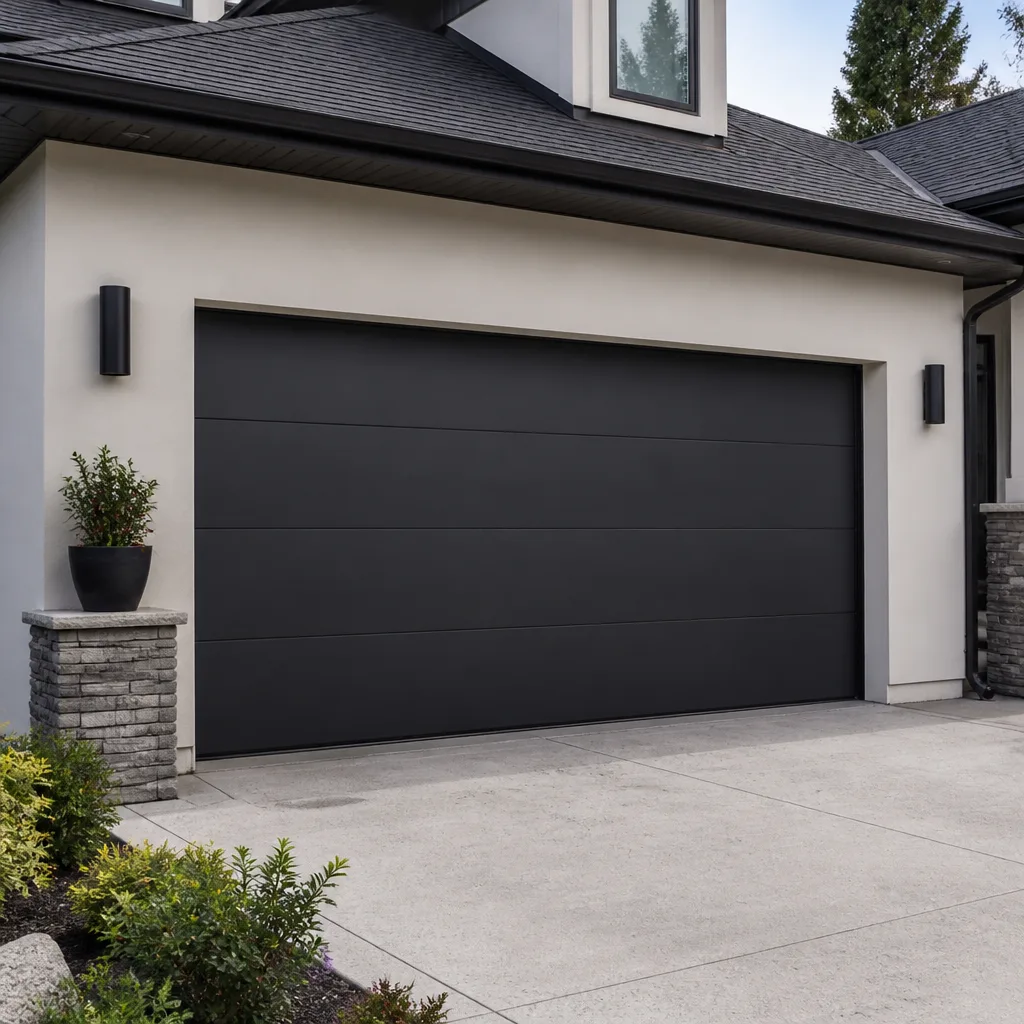 Modern flush
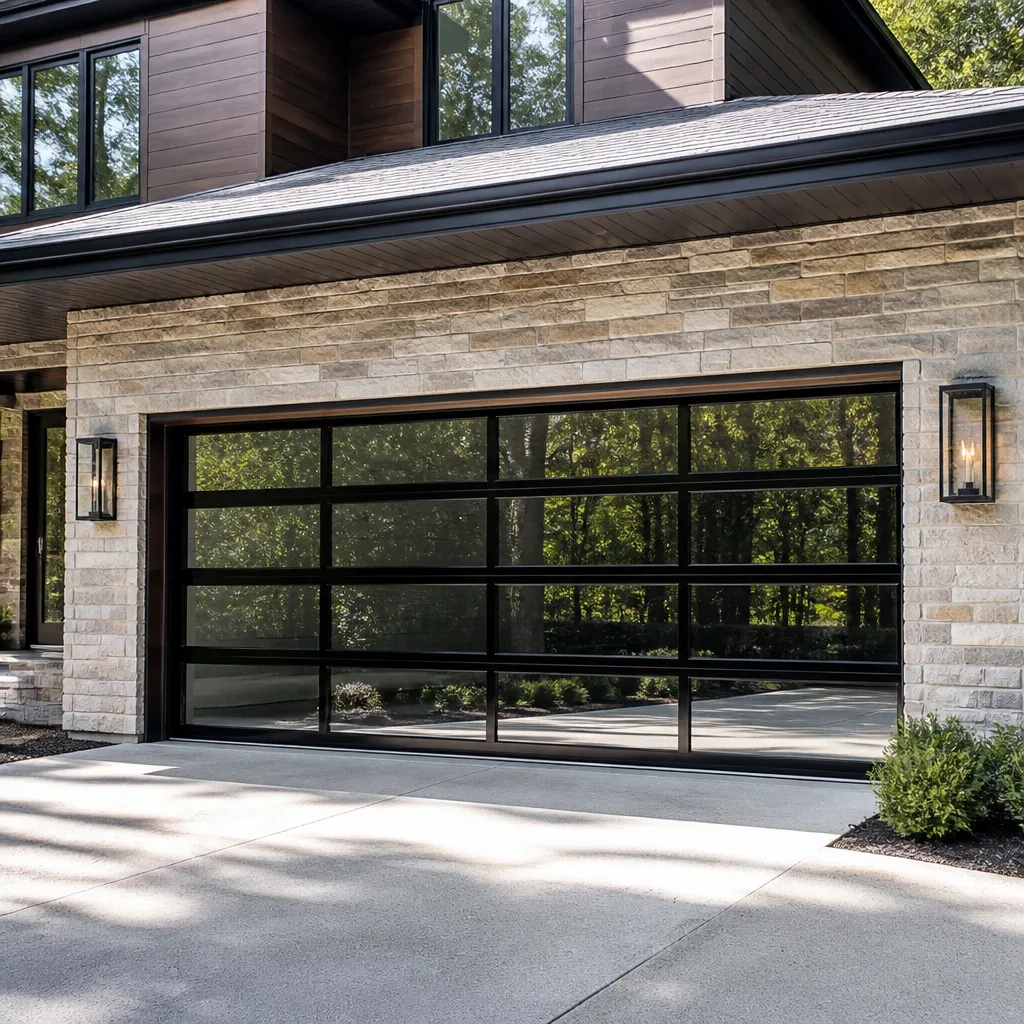 Full-view glass
 LiftMaster openers
 Chamberlain openers
Full 25-point door and opener safety check with every visit - springs, cables, rollers, tracks, and your LiftMaster or Chamberlain opener included
You get a price before we start. It does not change when the pro arrives.
Get your free estimateGarage Door Repair Maintenance Checklist for German Village Homeowners
Most garage doors don’t fail without warning. They give you months of small hints – a rattle here, a slow spot there – and most homeowners ignore every one of them until a spring lets go on a Sunday. The surprise isn’t the breakdown. It’s that the door had been telling you for a while. This guide walks through the maintenance checks that actually matter in German Village, where brick alleys, detached garages and older carriage-house doors change what you need to watch. You’ll learn what to inspect, how often, what’s safe to handle yourself and what isn’t, and when a small fix is quietly turning into an expensive one.
Quick Answer
A yearly garage door maintenance checklist should cover the balance test, the safety reverse test, the photo-eye alignment, hinge and roller lubrication, weather seal condition, and a visual check of springs, cables and pulleys. In German Village, add two more: rust and debris in the bottom tracks from alley grit, and seasonal swelling in wooden carriage-house doors. Anything involving springs, cables or the torsion assembly belongs in the hands of a trained technician.
Styles & brands we work with
- Raised-panel steel
- Carriage house
- Modern flush
- Full-view glass
- LiftMaster openers
- Chamberlain openers
Table of Contents
- How Garage Doors Actually Fail
- The Monthly Checks (Ten Minutes, No Tools)
- The Quarterly Maintenance Checklist
- The Annual Service Checklist
- What German Village Conditions Do to a Garage Door
- Opener Maintenance: LiftMaster, Chamberlain and Genie
- The Parts That Wear First (and What They Cost)
- Winter and Summer Prep for Ohio Weather
How Garage Doors Actually Fail
Garage door failures follow a predictable order. In our experience, the sequence usually goes like this: a roller seizes, the opener works harder to push the door, the torsion spring carries extra load, the hinge loosens from vibration, and eventually the spring fatigues and snaps. Each stage is cheaper to catch than the next. A seized roller is a few dollars in parts. A snapped spring on a heavy wooden door is a two-spring job and a door that won’t open at all.
Most of the failure chain happens quietly. Springs don’t announce they’re near the end. The door just feels a little heavier on the manual release, or the opener runs a second longer before it stops. Homeowners who pay attention to feel and sound catch problems earlier than homeowners who wait for a bang.
The Four Load-Bearing Systems
Every overhead door balances on four systems, and each one needs a different kind of attention:
- Torsion springs and cables – carry the door’s weight. The most dangerous components on the whole assembly. Visual inspection only, no touching.
- Rollers and hinges – carry the door along the track. Wear out quietly and are the cheapest to replace.
- The track – guides the door. Bends out of alignment when hit, rusts when wet, collects grit from the alley.
- The opener and drive – pushes the door. Strains when the other three systems are struggling.
When you call a specialist, the right fix is usually the wear point below the one you noticed. An opener that keeps reversing is usually a symptom, not the problem. That’s the difference between the right fix and the easy one.
The Monthly Checks (Ten Minutes, No Tools)
You don’t need tools to do the monthly checks, and you don’t need to touch anything dangerous. These four checks catch about most of the wear that leads to bigger repairs. Do them on the same day each month so they become habit rather than a scramble before guests arrive.
1. The Balance Test
Pull the manual release cord with the door fully closed, then lift the door halfway by hand and let it go. A balanced door stays put. A door that sinks or rises hard is under too much tension or not enough, and the spring assembly needs a trained eye. Don’t adjust anything yourself – the spring is under enough load to cause serious injury if handled incorrectly.
2. The Safety Reverse Test
Place a roll of paper towels or a 2×4 flat on the floor under the door, then close it with the wall button. The door should reverse on contact with the object. If it doesn’t, the opener’s force setting or travel limits need adjusting. This is one of the few checks you can safely repeat until you get a clean pass.
3. The Photo-Eye Test
With the door open, wave a hand across the two small lenses mounted at the bottom of the tracks on each side. The door should refuse to close. Then wipe the lenses with a dry cloth – alley grit and cobwebs block the beam more often than a homeowner expects.
4. Listen and Watch
Run the door up and down while you stand still and just listen. Rattles, grinding, squeaks, or a door that pauses mid-travel are all signals. Watch the door’s bottom edge: it should stay level from side to side. A tilt means the cables are uneven.
If any of these checks fail, that’s the moment to garage door repair in German Village before a small wear item becomes a full assembly. Call (888) 398-5080 for a free estimate. We answer 24/7.
The Quarterly Maintenance Checklist
Four times a year, add lubrication and a visual walk-around to the monthly checks. This is what keeps a well-running door running, and it’s the step most homeowners skip. Fifteen minutes on a Sunday afternoon covers it.
- Lubricate the springs. Spray silicone or a spring-specific lubricant along the full length of each torsion spring. Never grease or oil the tracks – that attracts grit.
- Lubricate the hinges. One drop at each hinge pivot point. Wipe off excess so it doesn’t drip onto the door panels.
- Check the rollers. Nylon rollers should spin freely. Steel rollers should turn without grinding. Replace any that wobble or squeal.
- Wipe the tracks. A dry cloth on the inside of the track, especially the bottom curve where alley grit collects. Never use grease on the track surface.
- Tighten the hinge and roller brackets. A socket wrench on the bracket bolts keeps vibration from loosening them. Don’t over-torque wooden door hardware.
- Inspect the weather seal. Run your hand along the bottom rubber seal. Any crack, tear or hardening means the seal needs replacing before rain gutters into the garage.
- Test the manual release. Pull the cord, work the door by hand once, then reconnect. A stubborn release is a sign the opener’s carriage is out of alignment.
If your quarterly round turns up a snapped spring or a frayed cable, stop. Those are professional-only repairs, and we handle them as a core service. You can reach the local garage door repair team in German Village at (888) 398-5080. Fast dispatch from 7am to 7pm, Sunday through Friday.
The Annual Service Checklist
Once a year, walk a full loop around the door, overhead and inside. The point of the annual pass isn’t to fix anything yourself – it’s to catch what you’d miss doing the quarterly checks on autopilot. Write down what you see so nothing gets lost between seasons.
- Springs: Look for gaps, rust streaks, or a visibly stretched coil. Never try to adjust or replace a spring.
- Cables: Frayed strands, kinks, or a loose cable wrapping around the drum. Cables under load can snap; that’s a call-us-now item.
- Pulleys: Chipped edges, deep grooves, or wobble. They’re cheap to replace before they strip a cable.
- Panels: Dents, cracks and, on wooden doors, splits or rot along the bottom edge.
- Hinges and brackets: Loosened bolts, bent tabs, and rust on the metal.
- Track alignment: Both tracks should be parallel and level. Bends are common after alley tires brush them.
- Bottom seal and side weatherstripping: Cracks, compression set, or missing pieces.
- Opener force and travel limits: Re-test the safety reverse and photo-eyes. If the opener struggles or overshoots, it needs service.
- Door finish: On wooden carriage-house doors, the paint or stain matters – it’s the barrier against swelling.
When you want the annual pass done properly, book a full garage door inspection in German Village. It’s free to get an estimate. Call (888) 398-5080. We answer 24/7.
What German Village Conditions Do to a Garage Door
German Village is a brick street neighborhood with narrow alleys, and the garage door has to live with that. The single biggest local problem we see is grit. Alley pavement throws fine grit and blooms of dust up into the bottom track, and grit is what kills rollers and seals faster than any of the parts’ rated life span. A dry cloth on the track once a month is the cheapest prevention you’ll ever do.
The second is wood and moisture, not traffic. Many of the carriage-house style doors and detached garages around German Village are on older openings where wooden panels have been repainted more than once. Ohio’s freeze-thaw cycle is hard on wood. Panels that swell in summer and shrink in winter pull paint away from the joints, and once water gets behind the paint the panel costs more to replace than to maintain. If you have a wooden door, the annual paint or stain coat is maintenance, not cosmetic.
Other Ohio Factors
- Humidity swings: Metal doesn’t care much. Rubber seals harden and wooden panels move. Expect to replace the bottom seal more often than the door’s metal parts.
- Winter road salt tracked into the garage: Rinse the track and the bottom of the door with clean water after a hard winter. Don’t let salt sit.
- Freeze-thaw on concrete aprons: Uneven concrete at the threshold can lift the door’s bottom seal off its contact and let rain under. Check the seal contact each spring.
- Attached garages: Many German Village homes have a garage that shares a wall with living space, so a weather seal that fails does more than let water in – it lets air in too.
- Detached and alley garages: More exposed to wind-driven rain. The photo-eyes and track mounts take more of a beating.
Hail isn’t a meaningful concern in this part of Ohio. What does take a toll is summer wind and the occasional fallen branch. If a limb has hit the door, get the panel inspected before you run it.
Opener Maintenance: LiftMaster, Chamberlain and Genie
Most of the openers we service in German Village are LiftMaster, Chamberlain or Genie, though we also work on Craftsman units and the older chain drives that came with some of the carriage-house garages. A few maintenance tasks are brand-agnostic, and a few are worth knowing in the specific brand’s terms.
Universal Opener Checks
- Test the safety reverse with a 2×4 or similar object monthly. All three major brands should reverse on contact.
- Check the force setting if the opener struggles. A door that need more force is telling you the door needs balancing, not the opener.
- Check the drive belt or chain for slack and lubrication. Belt drives are quieter; chain drives need oil every year or two.
- Confirm remote and wall button response. If one works and the other doesn’t, the problem is usually local.
- Look for moisture or rust on the opener head. Attached garages near a laundry or water heater collect condensation in the winter.
Brand-Specific Notes
- LiftMaster and Chamberlain: These two share much of their engineering, so repair parts and adjustments work the same way. Both use photo-eye safety beams at the tracks, and both respond well to force-limit adjustments.
- Genie: Older Genie chain drives carry a reputation for noisy operation as they age. If the noise is new, check the chain tension and the pulley before assuming the opener is dying.
- Craftsman: Many Craftsman openers ran on the Chamberlain drive platform and take the same standard repair parts.
We work on LiftMaster, Chamberlain, Genie and Craftsman openers as a core service, along with the door brands that go with them. When a repair is needed, we supply parts directly so there’s no waiting on a third-party order. For the whole German Village garage door service, call (888) 398-5080. We answer 24/7, and dispatch runs 7am to 7pm, Sunday through Friday.
The Parts That Wear First (and What They Cost)
Here’s the short list of parts that fail first, with typical estimated German Village repair ranges. All prices are estimates per job; the written estimate you receive sets the final price, and it’s agreed before any work starts. A single torsion spring replacement is generally in the range of $180 to $340. A matched pair, which is what we usually replace together on a heavier door, runs roughly double that.
Typical Repair Ranges in German Village
| Repair | Typical Estimate |
|---|---|
| Torsion spring replacement (one spring) | $180 – $340 |
| Matched pair, both springs replaced together | About twice a single spring |
| Bracket, roller and hinge hardware replacement | Lower-cost hardware job |
| Bottom weather seal replacement | Low, part-driven cost |
| Opener repair (belt, gear, or board) | Moderate, brand-dependent |
| Track realignment | Moderate, depends on the bend |
Parts that wear fastest in this order: rollers, hinges, cables, springs, then the opener drive. Each stage is cheaper to catch than the next. Winter catches wooden door panels last, and only if the finish isn’t maintained.
Why a Matched Pair Costs More
Two springs do the actual lifting work of a typical residential door. Replacing only one leaves the other carrying more load, and the new spring will usually fail early. That’s why we typically replace both at once when one is done. It’s not upsell – it’s the right fix, not the easy one.
Winter and Summer Prep for Ohio Weather
Ohio’s seasons are the swing between a snowy winter and a humid summer, and that swing is what tests your door’s parts. Two prep windows matter.
Before Winter
- Test the balance and safety reverse once more. Cold weather makes the whole assembly stiffer, and a borderline door will fail once the temperature drops.
- Lubricate springs, hinges and rollers – cold pulls lubricant out of wear surfaces faster than mild weather.
- Replace any cracked bottom seal. A hard seal is the first leak point when snow piles against the door.
- Touch up chipped paint on wooden panels. Bare wood is a place for moisture to enter, and moisture is what moves wood panels out of square.
- Check the alley apron. A cracked or heaved slab at the door’s threshold can jam a door closed in freezing weather.
Before Summer
- Clean the track of grit. Warm weather dries the alley out, and dry grit is the most abrasive state for rollers.
- Test photo-eyes – long summer days don’t affect them, but pollen and cobwebs do.
- Check the opener’s drive belt or chain. Warm weather is a good time to adjust force and travel limits before the heavy humid months.
- Look for moisture in the garage (near a laundry area or water heater) that could rust the opener head.
When spring repair is needed on a wooden or heavy carriage-house door in German Village, we handle it as a primary service. Get an exact quote when you call – estimates are free. Call (888) 398-5080.
Common Mistakes to Avoid
- Greasing the track. It feels like it should help. Grease on the track surface collects grit and turns the rollers into sandpaper. Never oil or grease the tracks – wipe them dry.
- Replacing only one spring when the door has two. The other spring takes up the slack and fails sooner. Most two-spring doors should be paired.
- Adjusting the opener’s force setting instead of fixing the balance. A door that needs extra force is telling you the door is out of balance. Fixing the opener hides the problem until the spring snaps.
- Running the door with a visibly frayed cable. A cable under load can snap. That’s a professional-only repair – don’t run the door until it’s checked.
- Ignoring grit in the bottom track. German Village alley grit is the single biggest killer of rollers and seals. A dry cloth once a month extends both by a lot.
- Puttering with the torsion spring because a video made it look doable. The spring is under serious load even when the door is closed. A trained technician is the only person who should touch it.
- Letting wooden panels go a season without paint or stain. Panels swell, then split, then cost more to replace than to have protected.
See the difference
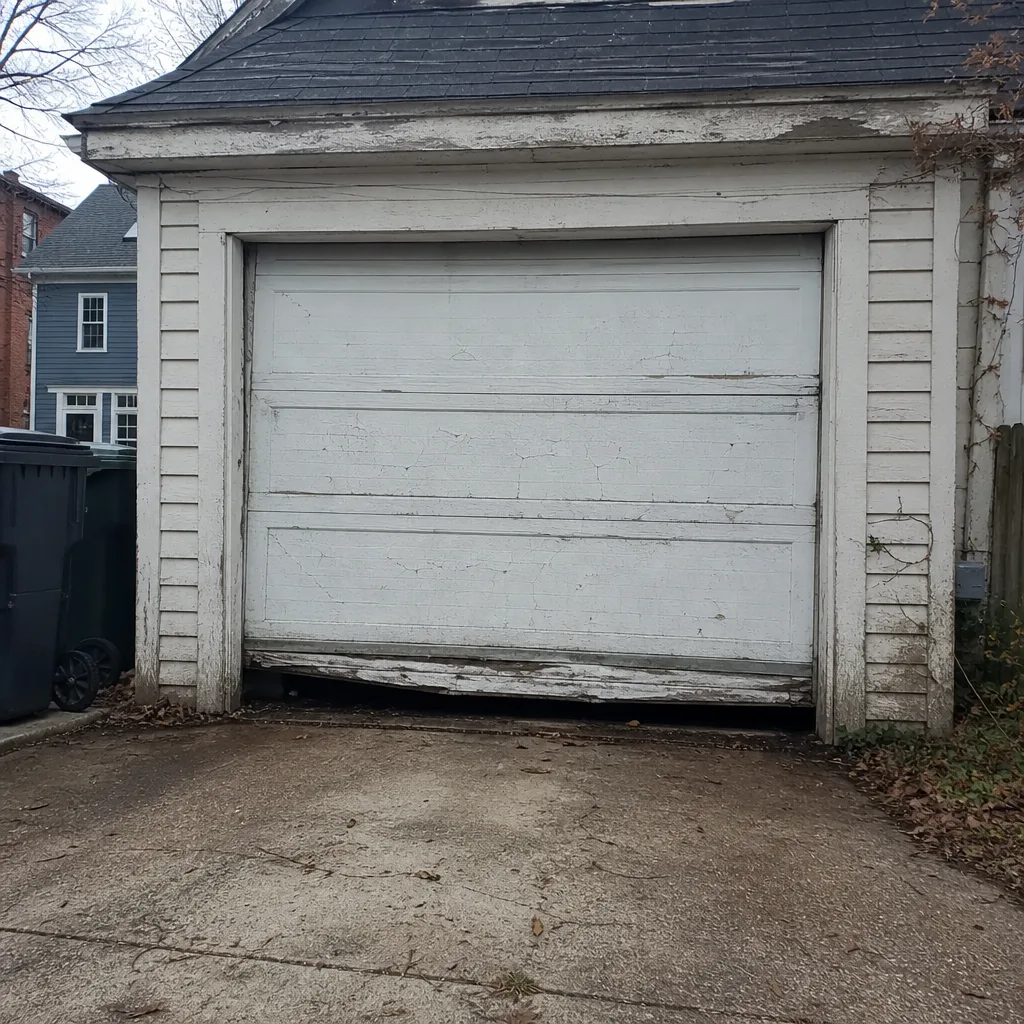 Before
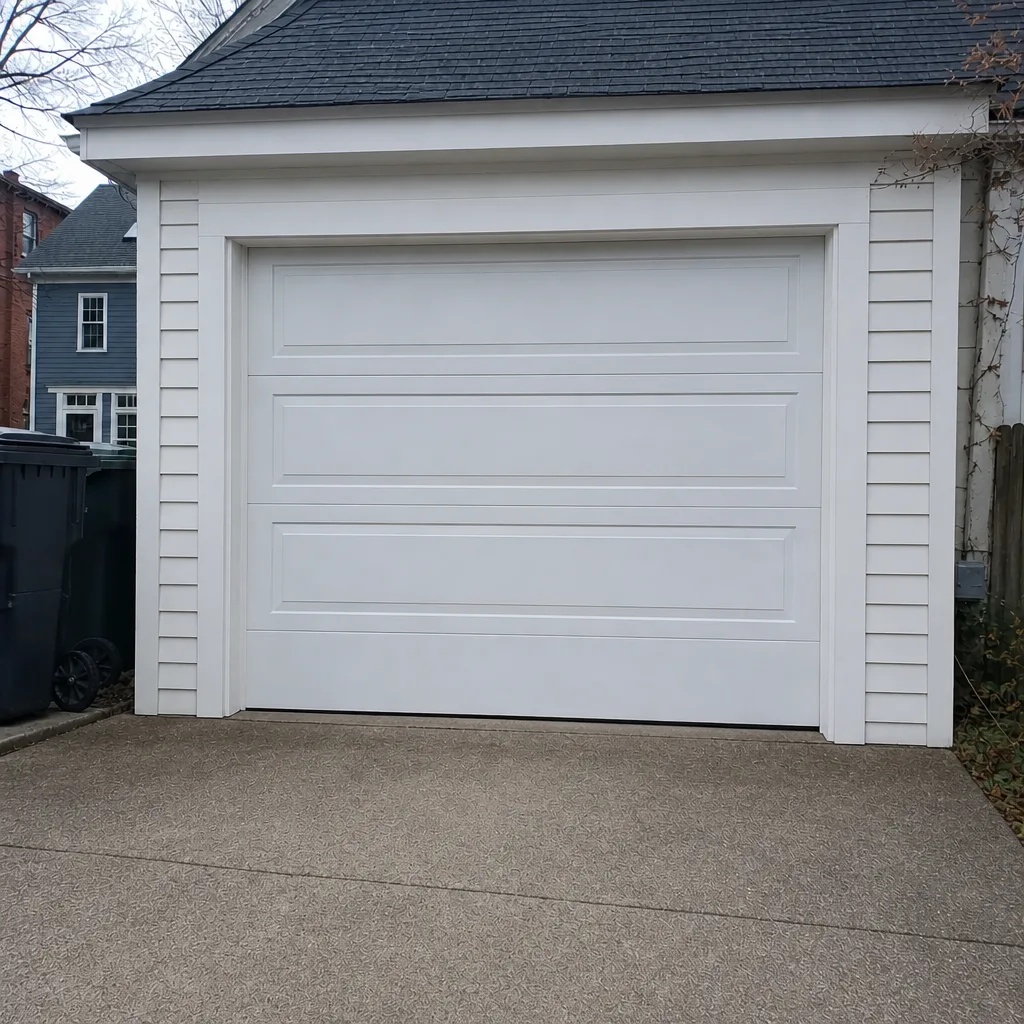 After
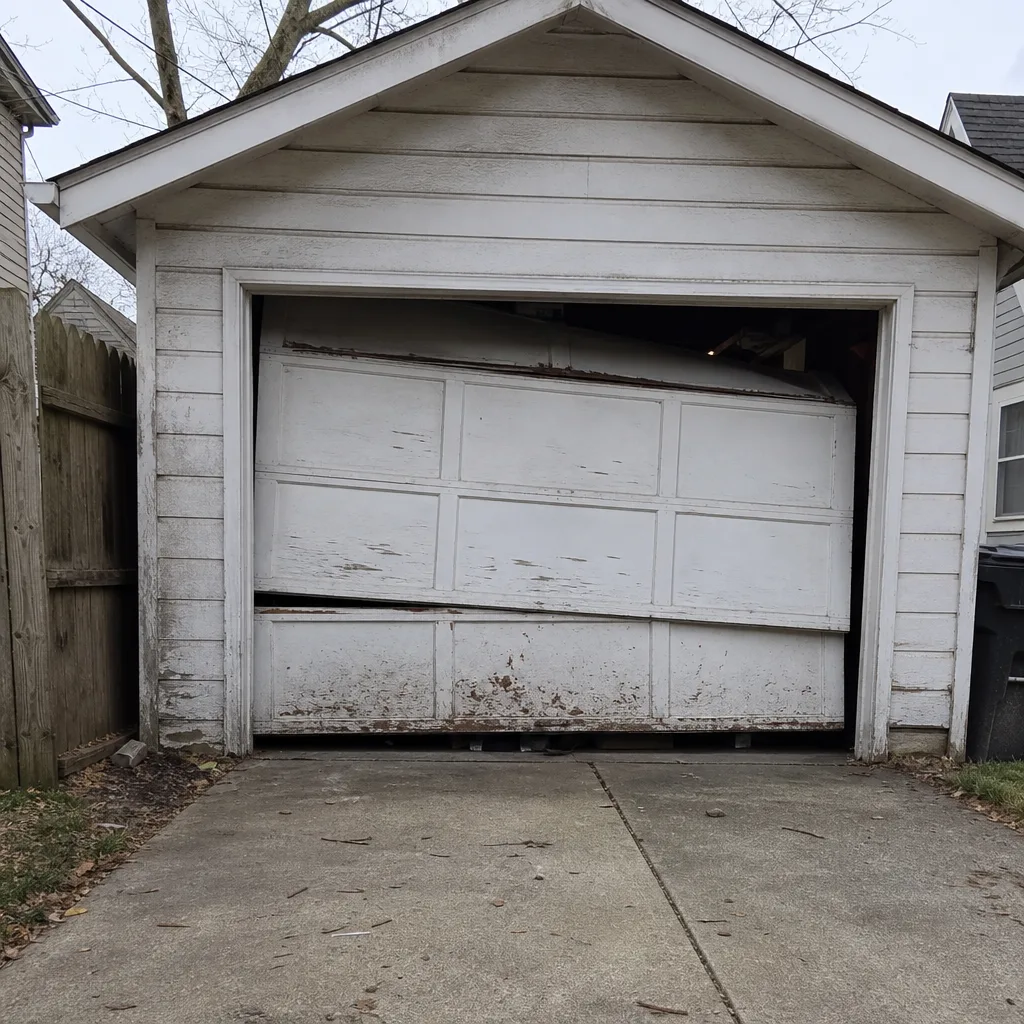 Before
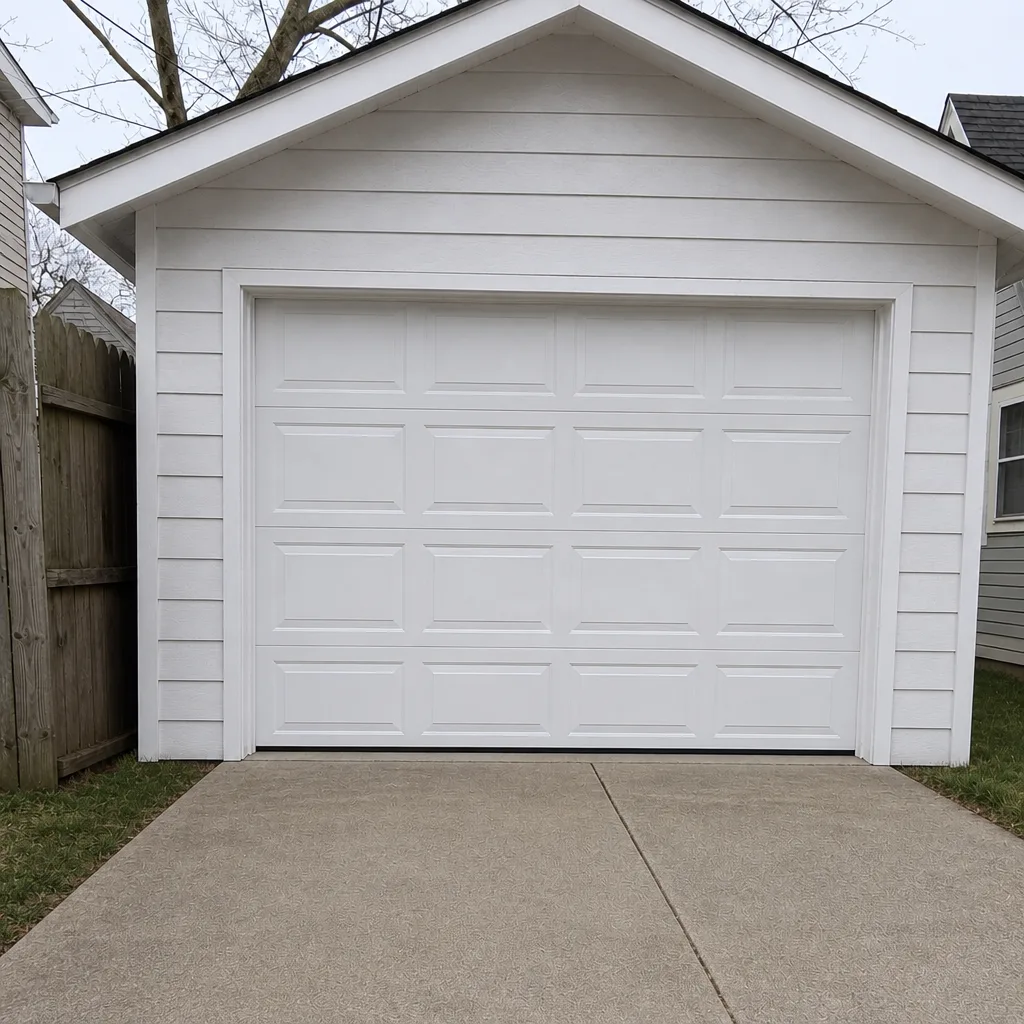 After
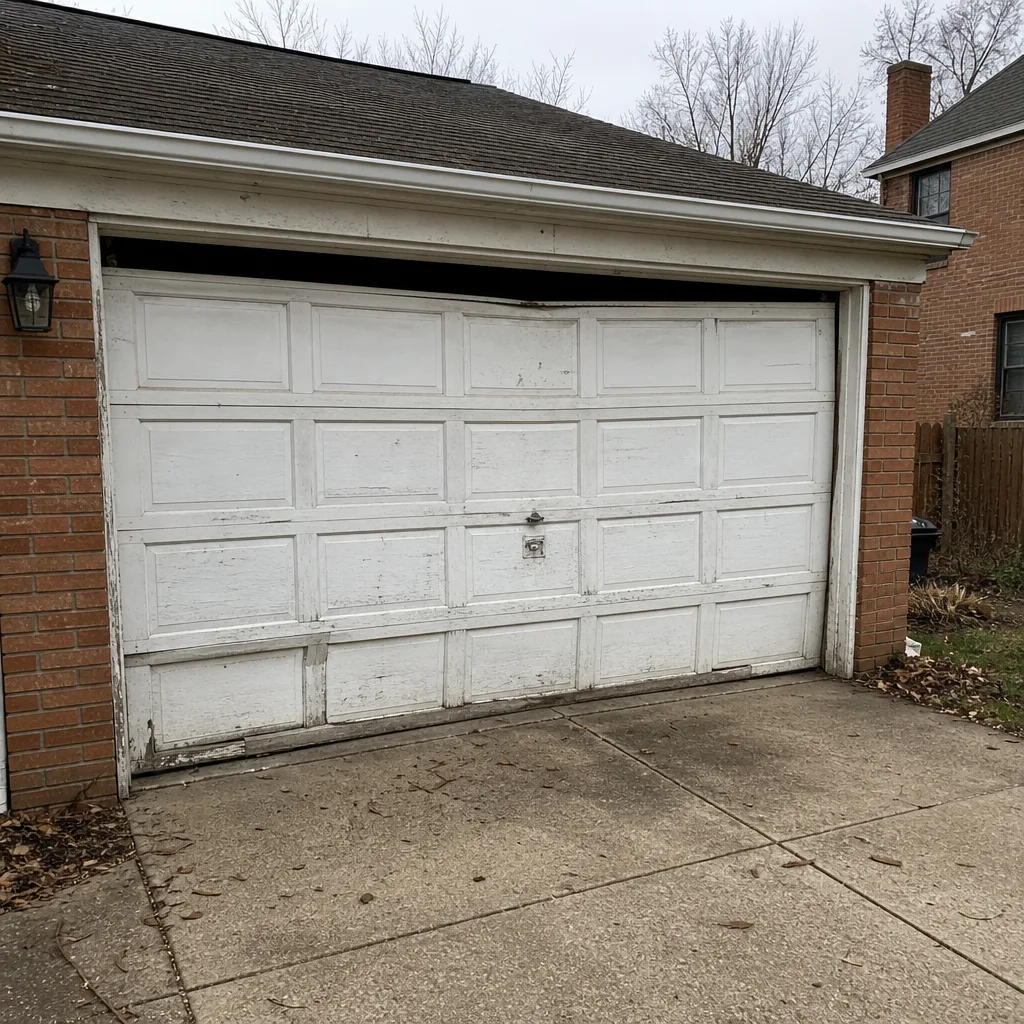 Before
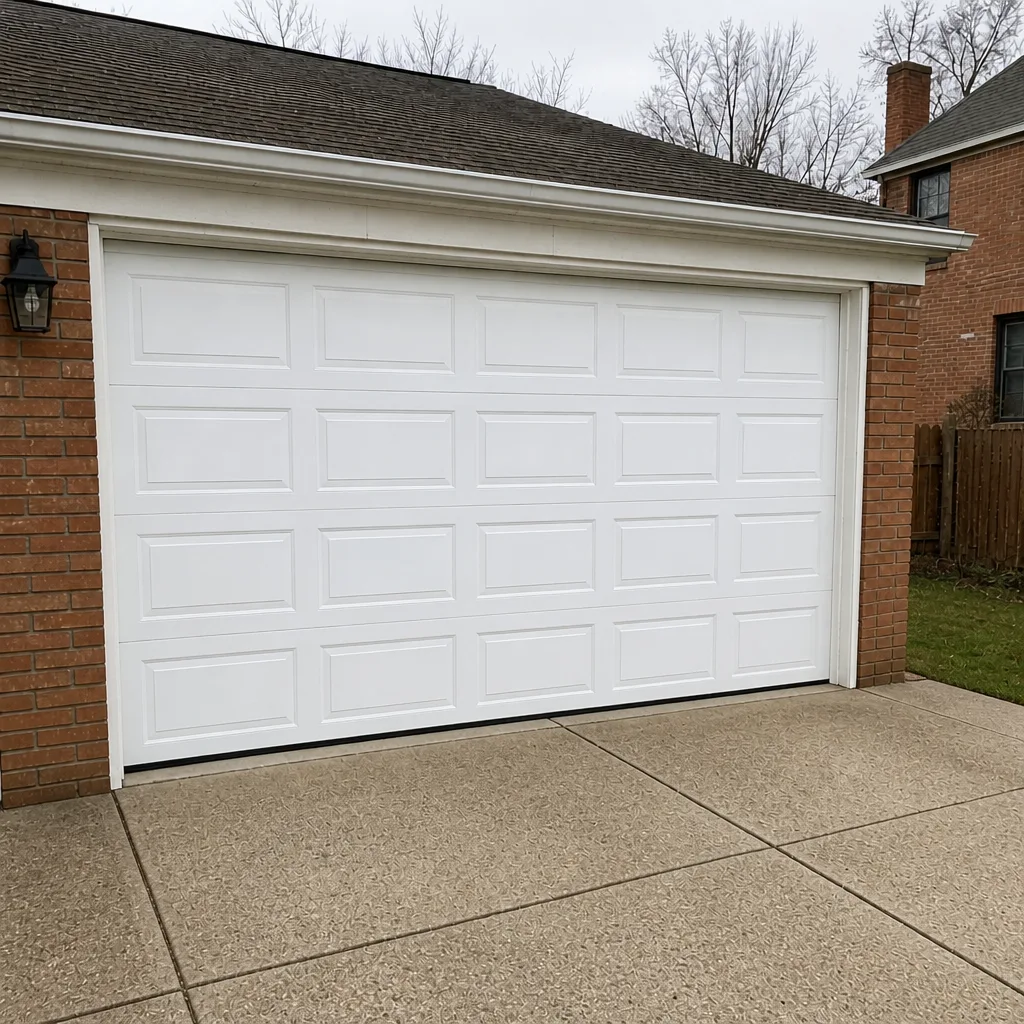 After
When to Call a Professional
Some checks belong to you. Some don’t. Call us if the door won’t balance, the spring has snapped or visibly stretched, a cable is frayed or kinked, the door hangs tilted, the track is bent, the opener reverses for no reason, or the door barely responds to the remote. On a dangerously wound torsion spring or cable under load, don’t touch it – a trained technician is the only safe option, and a DIY attempt is where serious injuries happen. For the checks above, if any of them fail, that’s the signal to stop running the door. Garage Door Repair German Village offers free estimates in German Village – call (888) 398-5080. We answer 24/7. Fast dispatch from 7am to 7pm, Sunday through Friday. The written estimate sets the price, and it’s agreed before any work starts.
Frequently Asked Questions
A single torsion spring replacement in German Village typically costs between $180 and $340. A matched pair, which is what we usually replace together on a two-spring door, runs about twice a single spring. The written estimate sets the final price, and it’s agreed before any work starts. Call (888) 398-5080 for an exact quote – estimates are free.
Yes, for most repair calls in German Village we can schedule same-day service. Call (888) 398-5080. We answer 24/7. Fast dispatch from 7am to 7pm, Sunday through Friday. A call outside dispatch hours is booked into the next opening, Sunday through Friday, 7am to 7pm.
No, the price is set in the written estimate before any work begins. We inspect the door, explain what’s needed and quote before we start. If the situation turns out to need more than we expected, we’ll tell you before proceeding so you can decide. Call (888) 398-5080 for a free estimate.
An annual service pass is right for most German Village doors. Monthly safety-reverse and photo-eye tests, quarterly lubrication, and a full annual walk-around keep a door running well. Wooden carriage-house doors often need a fresh paint or stain coat once a year on top of that.
The balance test. A door that doesn’t hold its own halfway position is putting extra load on the opener and the springs. It’s also the cheapest test to run and catches the most expensive problems early. If the door sinks or rises hard, don’t run it – call us at (888) 398-5080.
Most likely, yes. We work on LiftMaster, Chamberlain, Genie, Clopay, Amarr, Wayne Dalton, Craftsman and Raynor – the brands most installed in and around German Village. We supply parts directly, so there’s no waiting on a third-party order. Call (888) 398-5080 to confirm your model and get a free estimate.
The Bottom Line
Garage door maintenance is really about catching the small wear items before they cascade into the expensive ones. A ten-minute monthly check, a quarterly lubrication round, and one annual walk-around cover most of the failures we see in German Village. Grit from the alley, Ohio’s freeze-thaw swing and wooden carriage-house panels are the local factors that make routine maintenance feel more valuable here than in a newer subdivision. Springs and cables always belong to a trained technician. Book a full inspection if you’d rather have a specialist look at the whole door once a year. Call (888) 398-5080 for a free estimate. We answer 24/7. Fast dispatch from 7am to 7pm, Sunday through Friday.
Written by the team at Garage Door Repair German Village.