
Last updated November 20, 2026
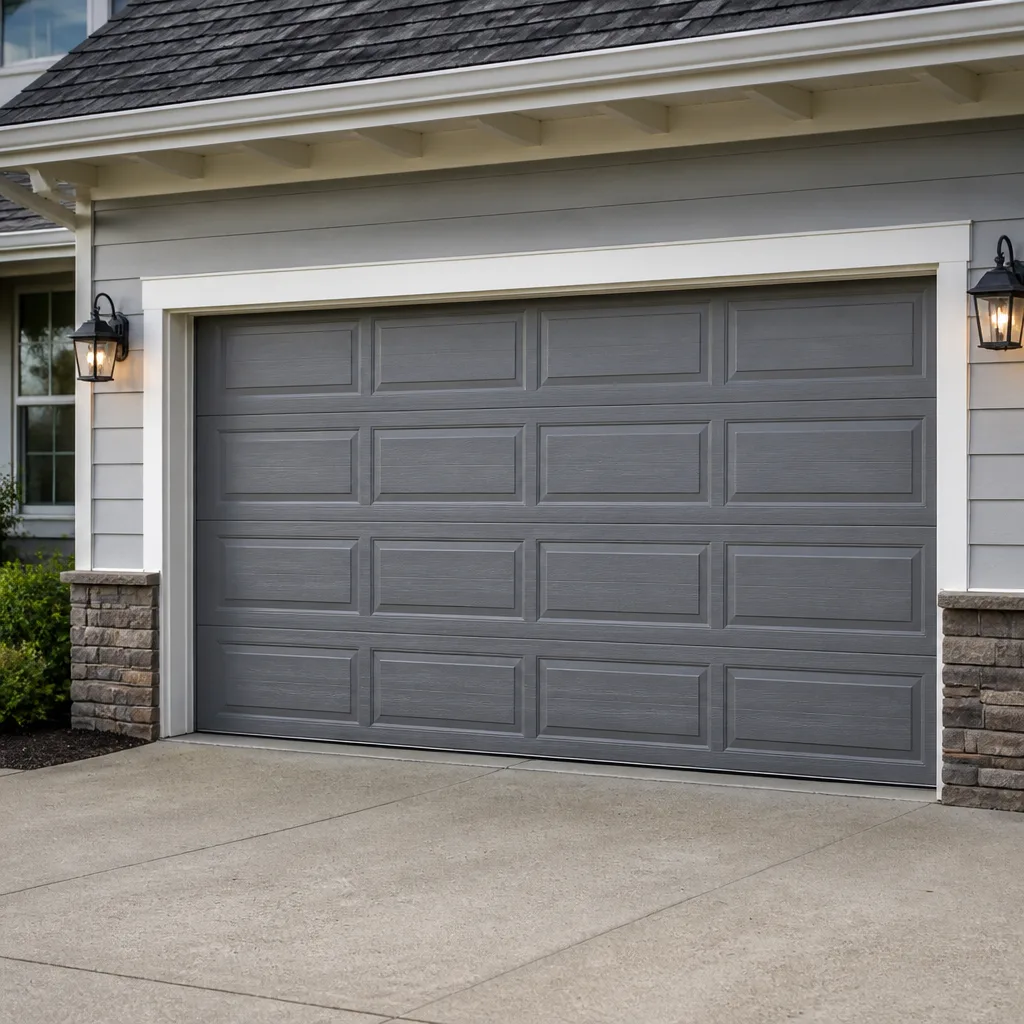 Raised-panel steel
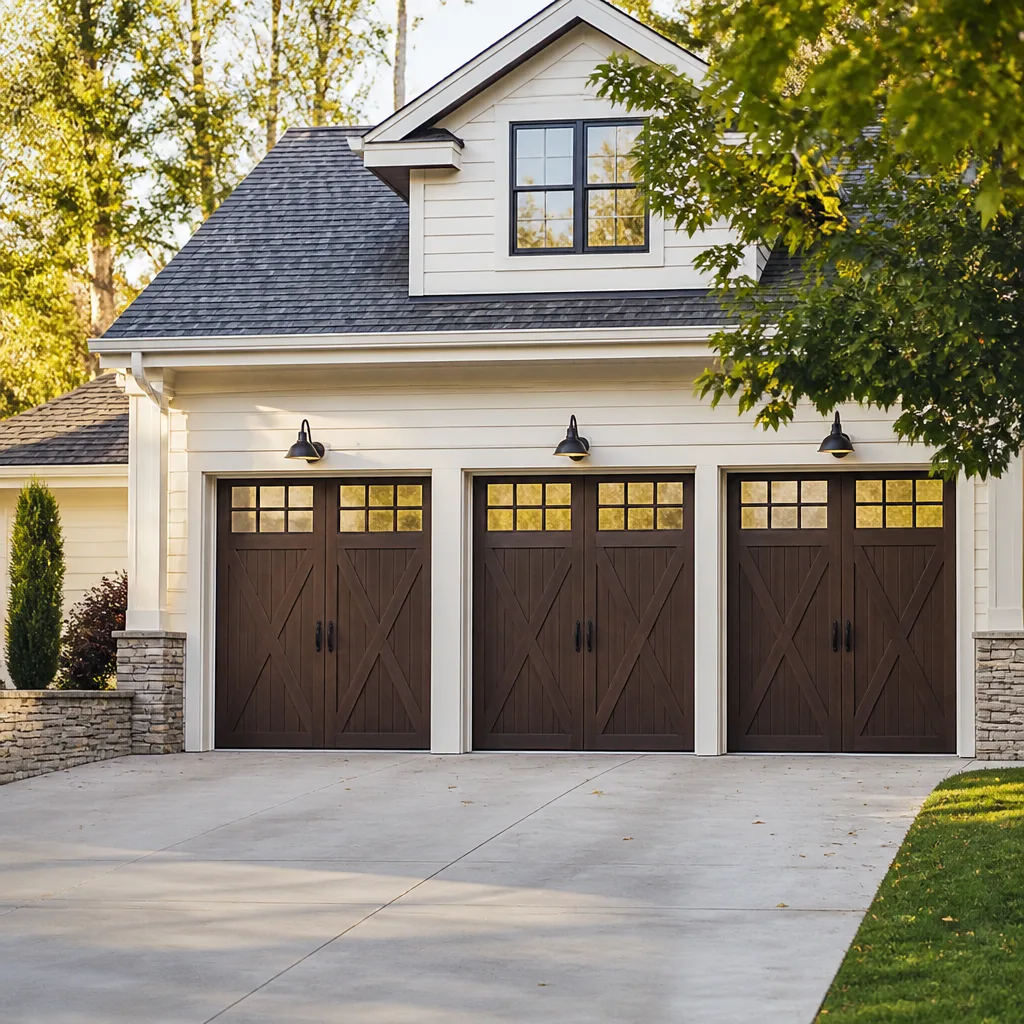 Carriage house
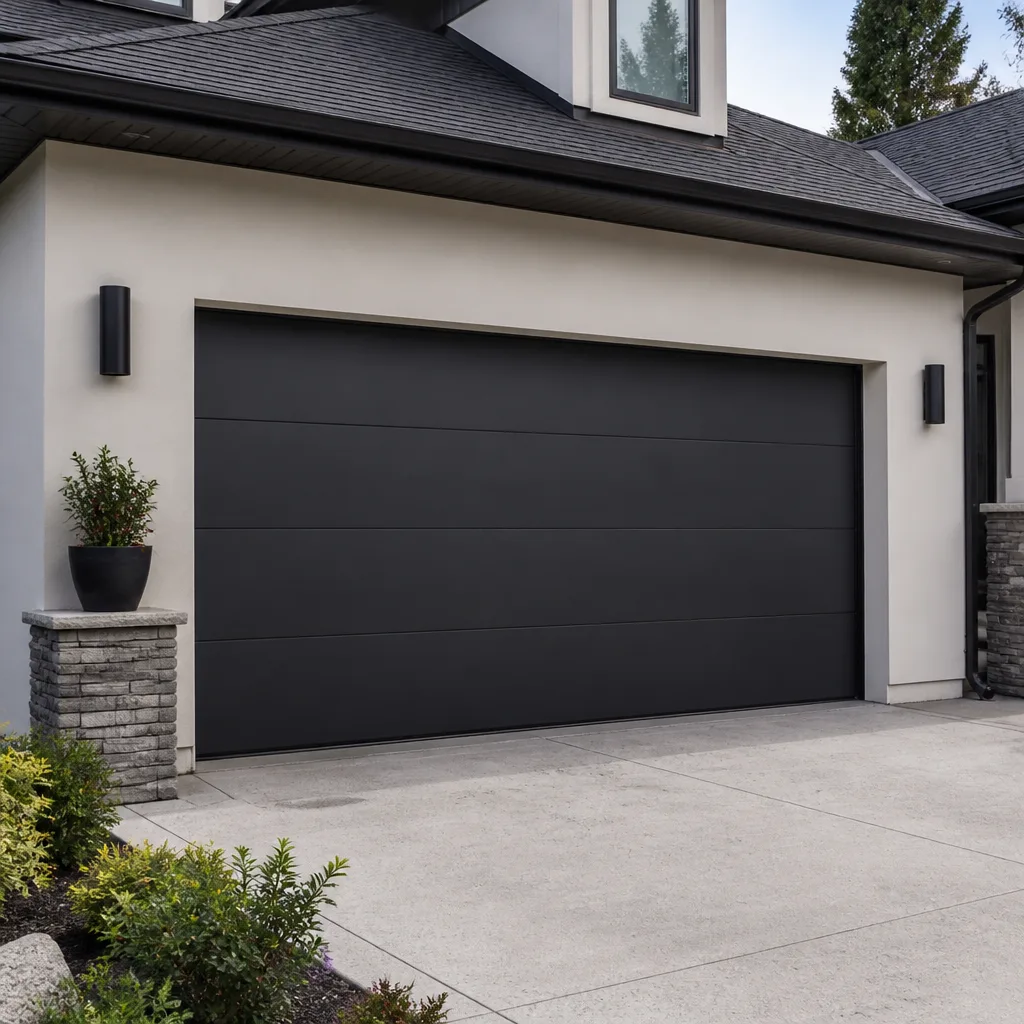 Modern flush
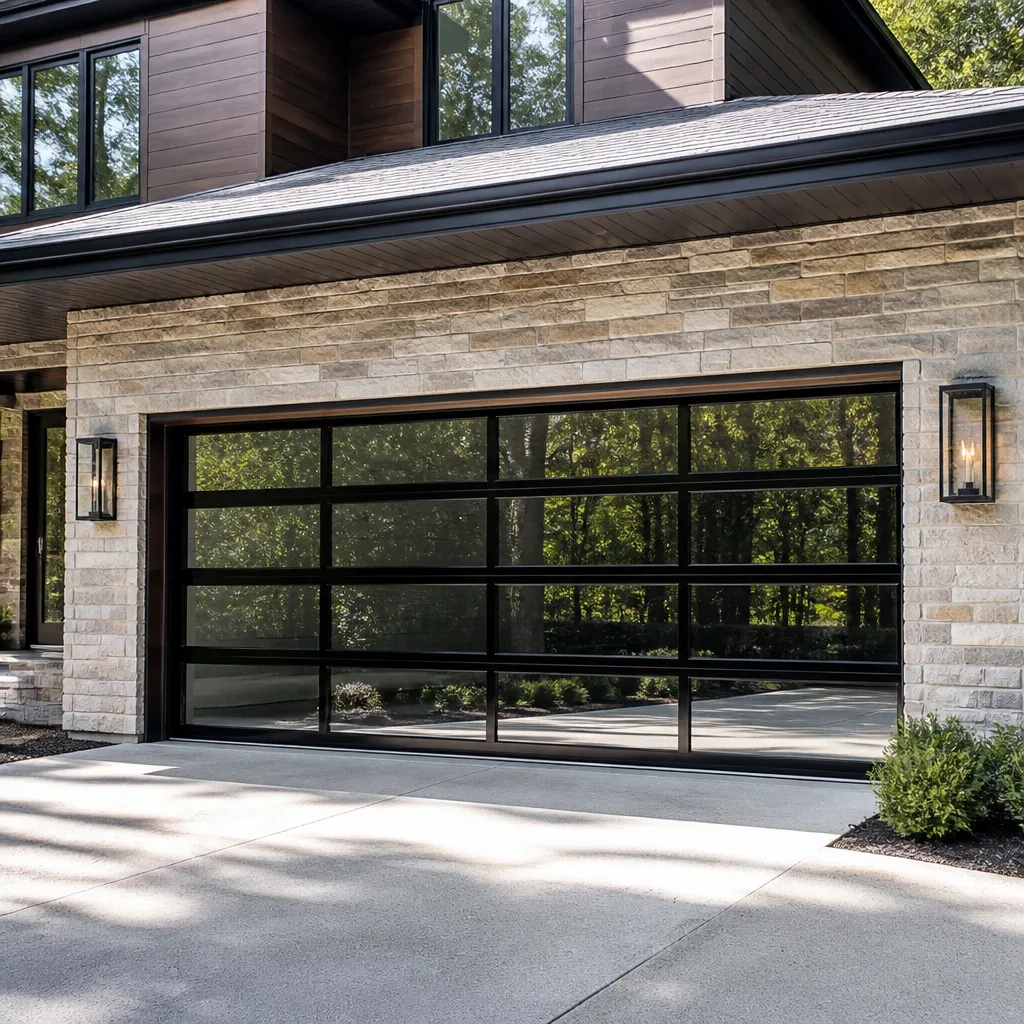 Full-view glass
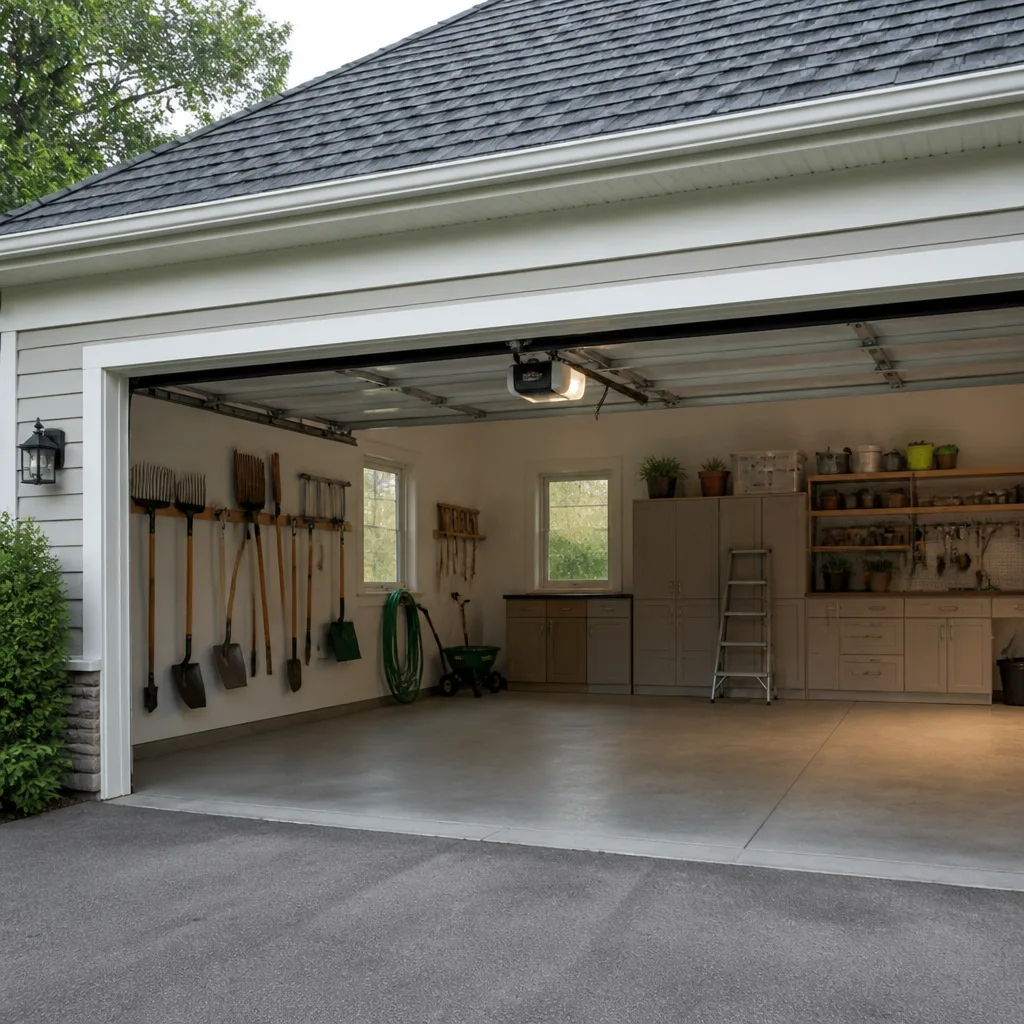 LiftMaster openers
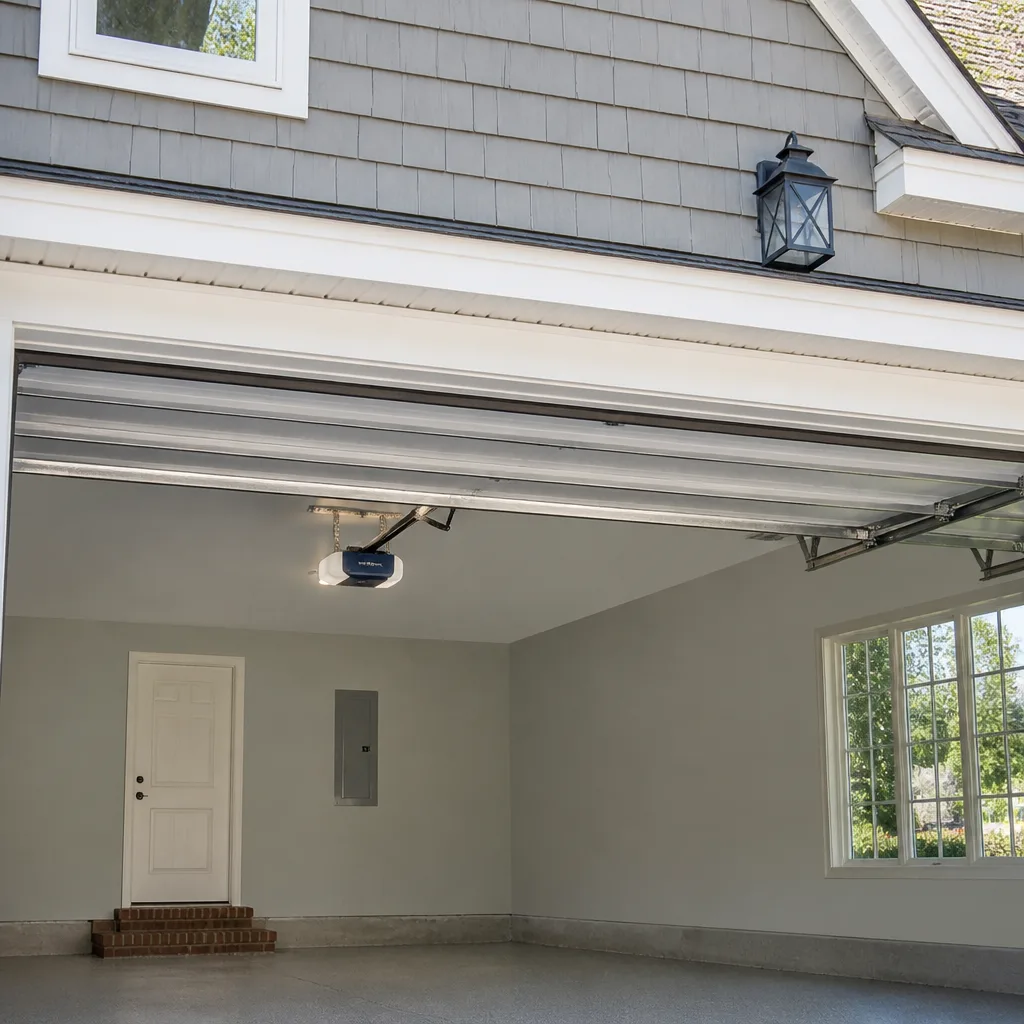 Chamberlain openers
Full 25-point door and opener safety check with every visit - springs, cables, rollers, tracks, and your LiftMaster or Chamberlain opener included
You get a price before we start. It does not change when the pro arrives.
Get your free estimateHow to Hire a Garage Door Contractor in German Village: A Step-by-Step Guide
Most homeowners in German Village pick a garage door contractor the same way they pick a plumber: the first name that answers the phone when something breaks. That’s the wrong order. A snapped spring or a door that won’t close gets fixed either way, but whether it’s fixed with the right parts, the right opener pairing, and a written price agreed before anyone lifts a tool depends entirely on who you hire. This guide walks you through choosing that contractor before the emergency arrives, from what to ask on the phone to how to read an estimate, plus the local details specific to German Village that affect your door. By the end you’ll know exactly what separates a door specialist from a generalist who takes garage work on the side.
Quick Answer
Hire a garage door contractor by confirming three things: they work on your specific brand and system, they supply the parts rather than ordering them from a third party, and they give you a written price agreed before any work starts. In German Village, also ask how they’ll handle the alley access and tight garages that are common in the historic district. A specialist who handles springs, openers, panels, and hardware under one roof saves you from coordinating two or three trades for one door.
Styles & brands we work with
- Raised-panel steel
- Carriage house
- Modern flush
- Full-view glass
- LiftMaster openers
- Chamberlain openers
Table of Contents
- Why a Garage Door Specialist Beats a Generalist
- How to Check Brand Coverage Before You Hire
- Why Parts Availability Changes the Timeline
- Spring Repair: What to Ask About Safety
- How to Read a Written Estimate
- Alley Access and Tight Garages in German Village
- Twelve Questions to Ask Before You Book
- Licensing, Insurance, and What It Means for You
Why a Garage Door Specialist Beats a Generalist
A garage door is a balanced system of springs, cables, tracks, rollers, and an opener working together, not a single part that breaks in isolation. When one piece fails, the others carry stress they weren’t designed for. A general handyman can hang a door and swap a remote. What he usually can’t do is diagnose why the door has gotten heavier over six months, or why a new opener keeps reversing on the way down. That’s the difference between treating a symptom and finding the cause.
We’ve seen what happens when a door gets patched by someone unfamiliar with the system: mismatched springs, an opener sized for a lighter door, rollers installed without checking the track alignment. The door works, then it doesn’t, and the next person has to untangle a mess of small wrong calls.
Here’s what a specialist brings that a generalist typically doesn’t:
- Knowledge of how spring tension, door weight, and opener capacity interlock, so a fix doesn’t just move the failure downstream.
- Access to the actual parts, not a workaround with whatever’s on the shelf.
- Familiarity with the major brands and their quirks, from LiftMaster logic boards to Chamberlain safety sensors.
- The ability to see a worn cable, a bent track, or a failing hinge before it becomes the next repair.
In German Village, where many garages sit behind homes along brick alleys and were built for cars much smaller than today’s, that system knowledge matters even more. Old openings, low clearances, and doors that have been retrofitted over the decades all reward a specialist’s eye. If you want an overview of what full-service work looks like, see our garage door repair German Village page for the range of jobs we handle.
How to Check Brand Coverage Before You Hire
Ask any contractor you’re considering which garage door brands they work on. If the answer is a single manufacturer, you’re talking to a dealer, and their recommendation will lean toward what they sell. If the answer is a general handyman’s “oh, I can figure it out,” you’re taking a risk on your opener’s control board. The right answer names several major brands and speaks about them specifically.
We service eight of the most widely installed garage door brands in the country: LiftMaster, Chamberlain, Genie, Clopay, Amarr, Wayne Dalton, Craftsman, and Raynor. That means when you call, the person on the phone recognizes your model. A Craftsman opener from the 1990s has different parts and different failure modes than a recent Genie. A Clopay steel door has different panel and hardware needs than an Amarr. Brand-agnostic expertise means the recommendation follows your door and your budget, not a vendor relationship.
Here’s how to test brand coverage in a single phone call:
- Tell them the make and model of your door or opener, or read it off the label if you have one.
- Ask whether they carry parts for that brand or order them from a third party.
- Ask whether they’ve worked on that specific system before, and what typically fails on it.
- Listen for a specific answer. If they name the part that usually goes first on your model, they know the brand.
A good contractor will also tell you when repair isn’t the right call. If your door is a Wayne Dalton that’s past the point of economical repair and you’re weighing a replacement, you want a contractor who installs as well as repairs, so you’re not handed off to a third party mid-project. Ask that question up front in German Village, where a full replacement often involves coordinating with alley access and a garage that wasn’t built for a modern door size.
Why Parts Availability Changes the Timeline
A repair has two halves: the labor and the part. When a contractor doesn’t stock parts, the job splits into two visits and a waiting period while a component ships from a supplier. That’s not a knock on the contractor; it’s just how a business without a parts operation works. But you should know which kind of business you’re hiring, because it determines whether your door is fixed in one visit or sits open for a week.
We sell and supply garage door parts directly. That means when we diagnose a bad hinge, a worn roller, or a failed sensor, the component is in hand, not on order. Faster turnaround isn’t a slogan here; it’s the practical outcome of holding the parts. For German Village homeowners with a car trapped inside the garage or a door that won’t secure, that difference is the whole job.
Ask a prospective contractor these questions about parts:
- Do you carry common parts for my brand, or order them per job?
- If a part isn’t on hand, how long is the typical wait?
- Do you source OEM or aftermarket components, and does that affect the price or the fit?
Parts also affect what gets recommended. A contractor with a broad parts inventory can propose the right fix for what your door actually needs, not the fix that fits the one part they happen to have. That distinction shows up in the estimate, and it shows up in how long the repair lasts.
Spring Repair: What to Ask About Safety
Garage door springs are under extreme tension, and they’re the part of the system most likely to cause serious injury when handled by someone without training. A torsion spring, mounted on the shaft above the door, can release stored energy violently if it’s adjusted or removed without the right tools and technique. Extension springs along the tracks carry the same risk. This is not a repair to attempt on your own, and it’s the clearest line between a specialist and a generalist.
Springs are our specialty, and we treat them as a core service rather than an upsell. When we quote a spring job, we’re explicit about what’s involved:
- One spring or a matched pair. Springs are rated for a cycle count, and when one fails, the other has usually lived the same life. A matched pair is usually replaced together, which is why a pair costs about twice a single spring.
- The right spring for your door. Spring size is matched to door weight and height. A spring that’s too light or too heavy will fail early or overload the opener.
- A safety check of the rest of the system. Cables, drums, and bearing plates should be inspected while the tension is off, because a spring job is the natural moment to catch a frayed cable.
What you should never accept from a contractor is a spring swap without a written price agreed before the work starts, or a recommendation to “just wind it tighter” to get more life out of a tired spring. Springs fail; the question is whether they fail safely and whether the fix is matched to the door. If you’re weighing repair against replacement on a German Village garage door that’s seen better decades, ask for an honest read on the whole system, not just the broken part. We answer 24/7 at (888) 398-5080 when a spring lets go and you need to know your options.
How to Read a Written Estimate
The single best protection you have as a homeowner is a written estimate with a price agreed before work starts. A verbal quote on the porch is worth very little once the door is apart and the technician is telling you the job is bigger than expected. A written estimate locks the scope and the price, and it forces the contractor to look before quoting.
Here’s what a solid estimate includes:
- Line items. Parts and labor broken out, or at least the specific components being replaced.
- Diagnosis. A sentence or two on what failed and why, so you can judge whether the fix addresses the cause.
- Your brand and model. The estimate should reference your actual door or opener, not a generic “garage door repair.”
- What’s not included. If a cable looks worn but isn’t in scope, a good estimate says so.
- The final price, stated plainly. The written estimate sets the price. If something changes once the door is open, that should come back to you as a revised estimate before anyone proceeds.
Ask directly: “Is this the price, or an estimate that could change once you see it?” A contractor confident in their diagnosis will tell you the written price holds unless they find something materially different, and they’ll come back to you before touching it. For German Village homeowners, the estimate should also reflect the reality of your garage setup: narrow alley access, a low-clearance opening, or a door that needs to be brought up to current safety standards. A quote that ignores those details isn’t a quote; it’s a guess.
Alley Access and Tight Garages in German Village
German Village garages are often tucked behind homes along brick alleys, and many were built decades before the current standard for door size and vehicle width. That’s a real constraint on any garage door job, and it’s worth discussing with a contractor before they show up. A door replacement that needs a wider opening, or a new opener that needs clearance above the door, has to account for the physical space the garage actually offers.
Here’s what to raise with the contractor you’re considering:
- Will the crew need access through the alley, and does that affect when they can work?
- Is the garage opening a standard size, or will a replacement door need custom sizing?
- Is there enough headroom and side room for the opener and hardware you’re proposing?
- Does the garage have power near the door, or will the opener need an electrical solution?
A contractor who works in German Village regularly will recognize these questions as routine. One who doesn’t may quote a standard door and discover on arrival that it doesn’t fit the opening. Since the price is set by the written estimate, a mismatch between quote and reality is your problem to sort out, not theirs. That’s why we ask about your garage setup on the first call, and why we’re upfront when a job needs a site check before we can commit to a written price.
Twelve Questions to Ask Before You Book
Use this list as a script. The answers tell you more about a contractor than any advertisement will, and asking the questions puts you in control of the conversation.
- Which garage door brands do you work on, and have you worked on mine?
- Do you carry parts, or order them for each job?
- Is your price written and agreed before work starts?
- What happens if you find something different once the door is open?
- Do you handle both repair and full door installation?
- Do you repair and install openers, or only doors?
- Who actually does the work, and are they experienced with springs?
- How long have the technicians been doing this work?
- Can you walk me through what you think the problem is before quoting?
- Do you supply the parts yourself or source them from a third party?
- What’s your policy if the same problem returns?
- Are the local professionals you connect me with licensed and insured as their state requires?
Our technicians have up to 10 years of experience, so when you ask about who’s doing the work, you get a real answer. We work on your brand, we hold the parts, and we put the price in writing before we start. Those are the answers a homeowner should expect, whichever contractor they choose.
Licensing, Insurance, and What It Means for You
Licensing and insurance are the least glamorous part of hiring a contractor and the part most homeowners skip. Ask anyway. The local professional who performs the work should be licensed and insured as their state requires, and that coverage protects you if something goes wrong on your property. A garage door job involves a torsion spring under real tension and, on a replacement, power tools near your home and vehicles. Insurance isn’t a formality.
How to verify, practically:
- Ask whether the local pro is state-licensed and insured, and expect a straight yes or no.
- Ask for proof before the job, not after.
- Don’t accept “we’re fully covered” as an answer; ask what that means for the work on your property.
This is also where the difference between a specialist and a generalist shows. A contractor who handles garage doors as their core work carries the right insurance for the trade and keeps the local professionals they connect you with vetted. If a contractor dodges the question or offers a vague answer, move on to the next name on your list. German Village homeowners have no shortage of options, and the best ones will volunteer this information.
Common Mistakes to Avoid
- Hiring on price alone. The lowest bid rarely includes the right parts or an honest diagnosis, and a cheap spring swap with the wrong spring costs more in the end than a properly matched pair.
- Accepting a verbal quote. A price on the porch isn’t a price. Insist on a written estimate with the price agreed before work starts, or you’re the one absorbing any surprise.
- Assuming any handyman can do it. Garage doors are a system of springs, cables, and openers under tension. A generalist who’s “done a few” is guessing at the parts that matter most.
- Skipping the brand question. If a contractor only works with one manufacturer, their recommendation is shaped by what they sell. Ask which brands they handle, and listen for specifics.
- Ignoring the garage itself. In German Village, alley access and tight historic garages change the job. A contractor who doesn’t ask about your setup will quote a door that doesn’t fit the opening.
- Letting someone “just tighten” a failing spring. Springs are rated for cycles and fail once they’re spent. Adjusting tension to squeeze out more life invites a sudden release, and that’s the repair most likely to hurt someone.
- Not asking about parts supply. A door that waits a week for a shipped part is a door you can’t secure. Ask whether parts are in hand or on order before you book.
See the difference
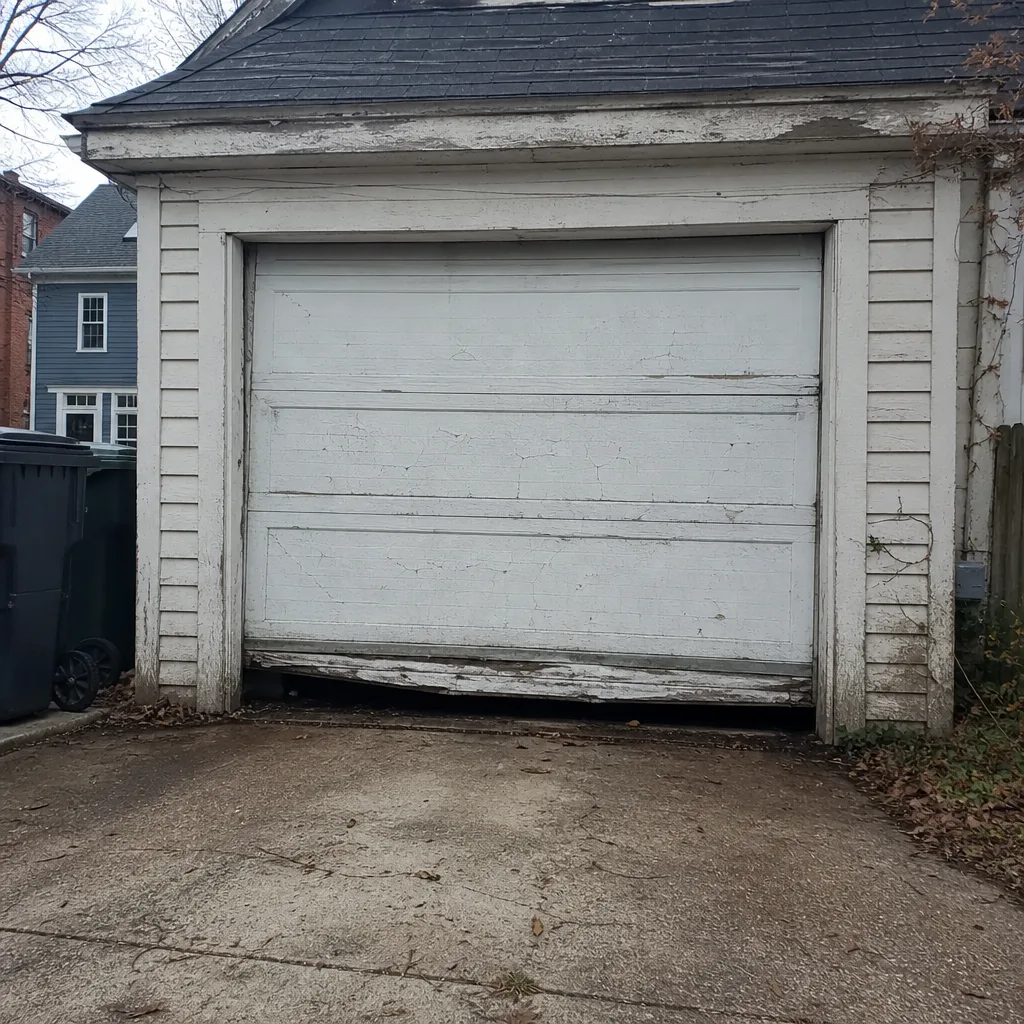 Before
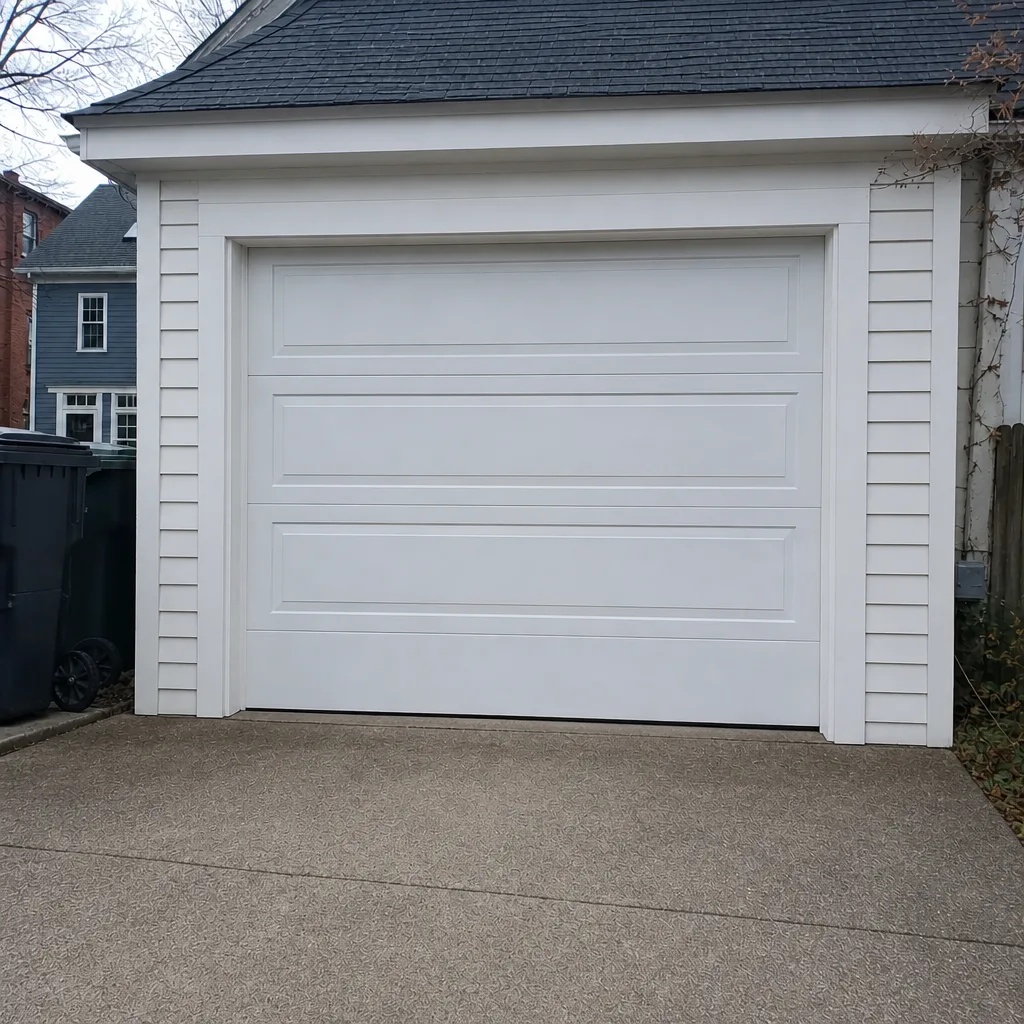 After
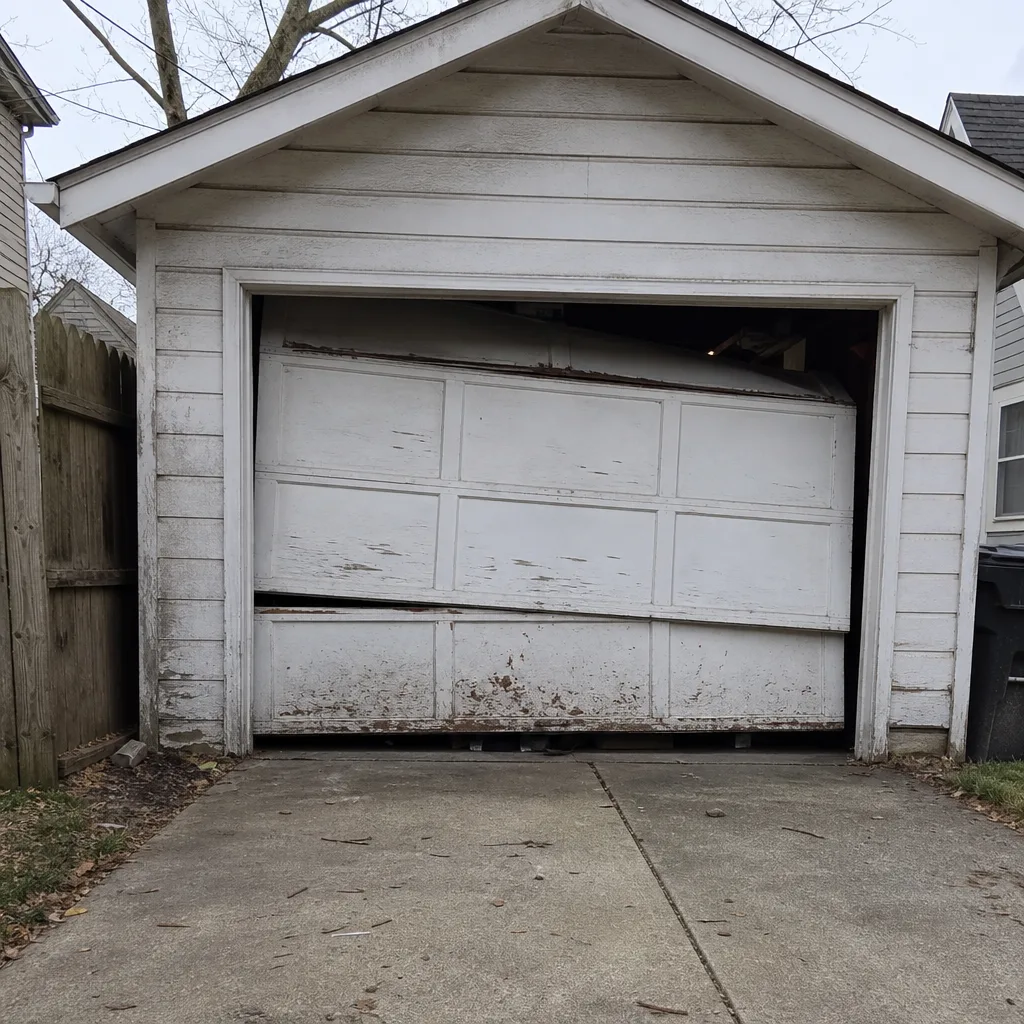 Before
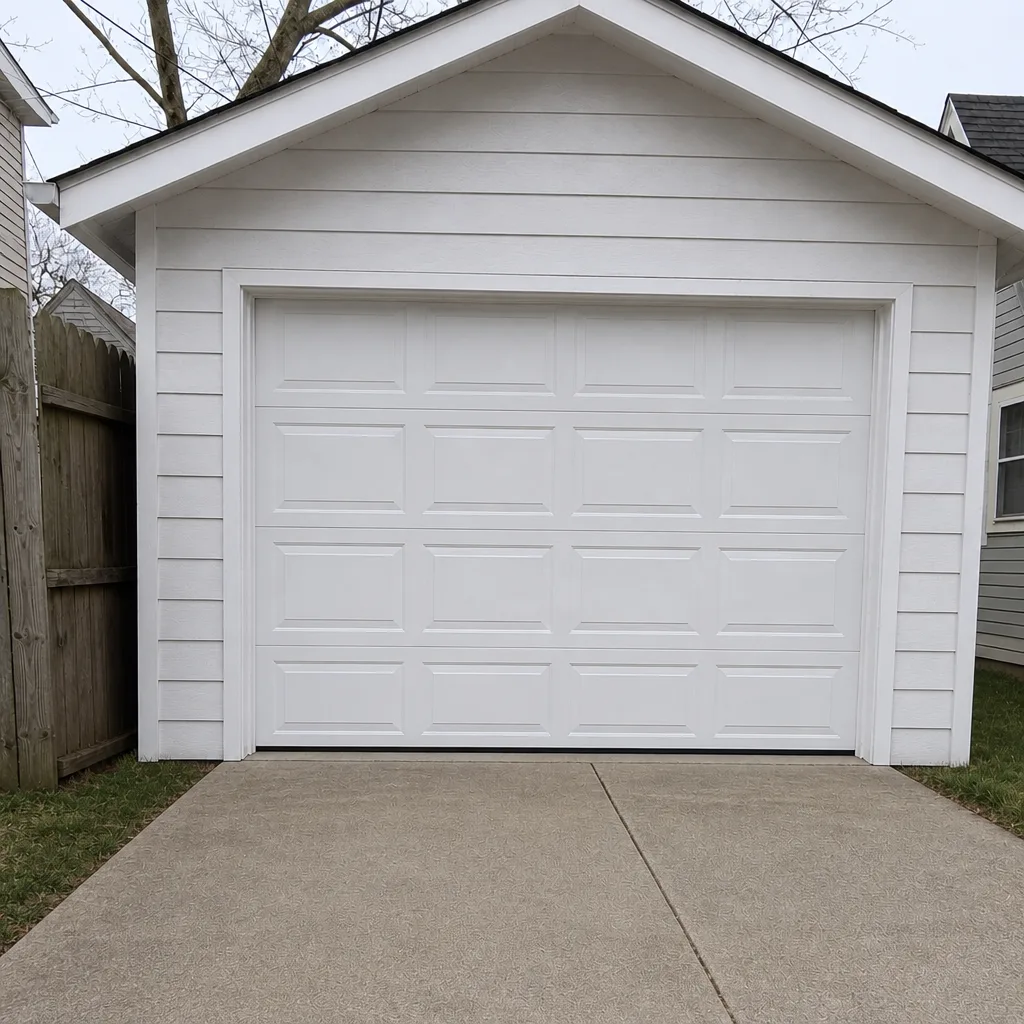 After
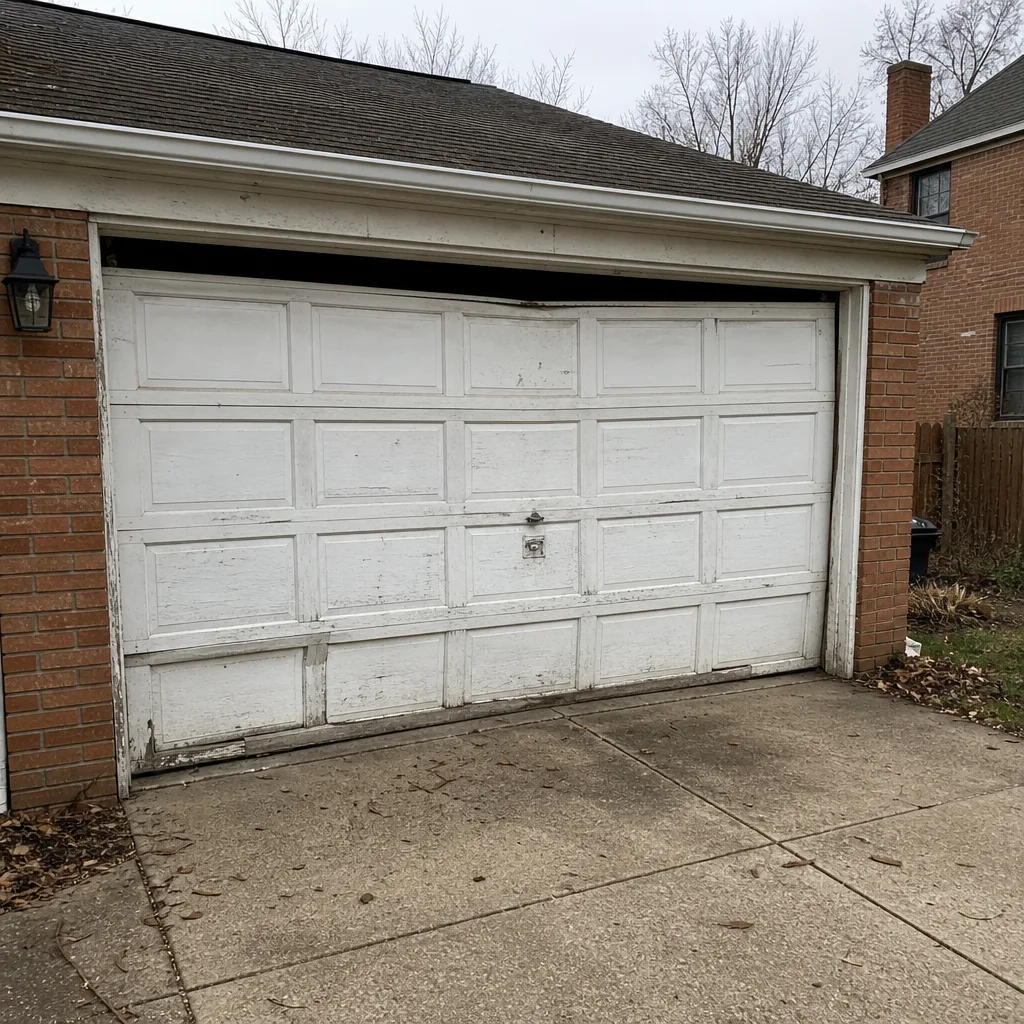 Before
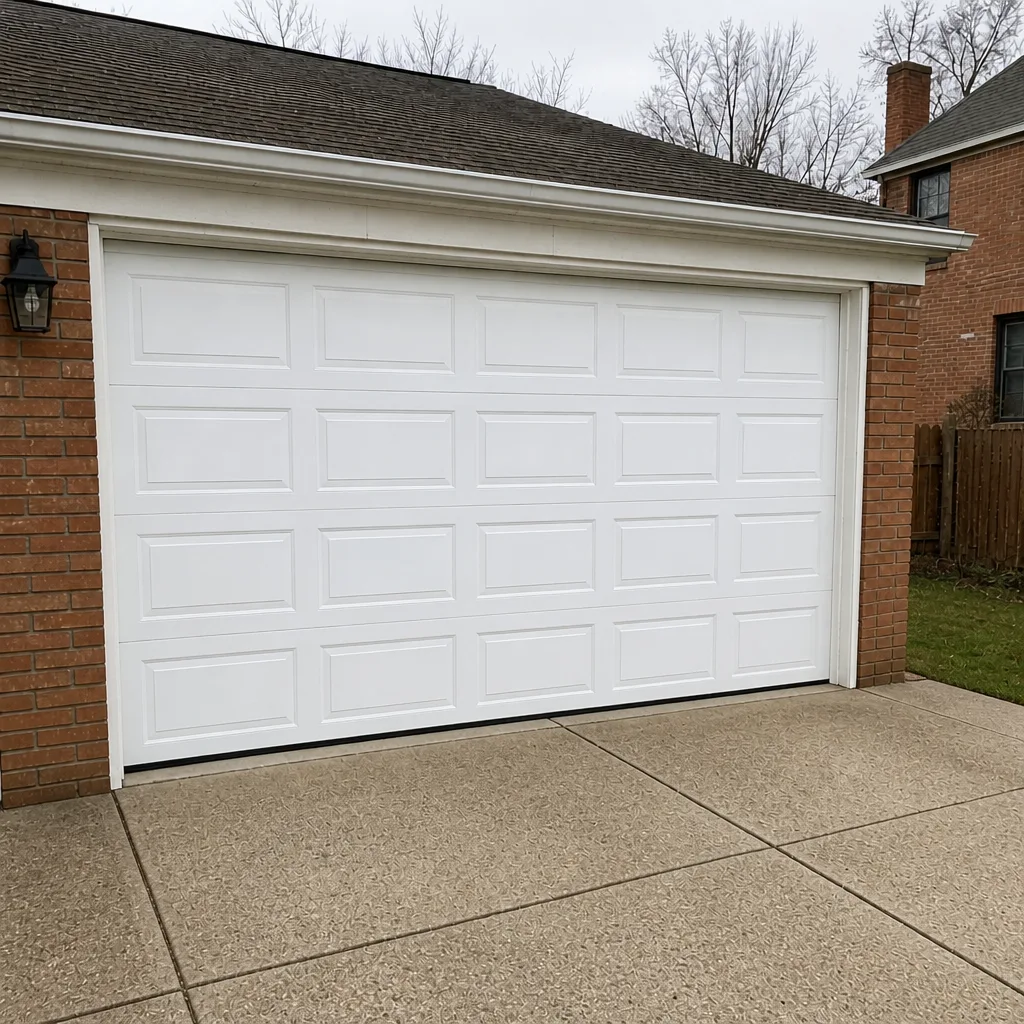 After
When to Call a Professional
Some jobs are obvious: a snapped spring, a door that won’t close, an opener that hums but won’t lift, a cable that’s come loose. Those need a trained professional, full stop. But several quieter scenarios also warrant a call. A door that’s gotten harder to lift by hand, a door that reverses partway down, a roller that jumps the track and won’t stay seated, or a safety sensor that trips on nothing. Springs and cables, especially, should never be handled by a homeowner; the stored energy is genuinely dangerous. In German Village, where garages sit close to the home and the door may be the main secure entrance, a door that won’t close is a job for the same day.
Garage Door Repair German Village offers free estimates in German Village. Call (888) 398-5080. We answer 24/7, with fast dispatch from 7am to 7pm, Sunday through Friday, and the local pro is licensed and insured as their state requires. The price is set by the written estimate, agreed before any work starts.
Frequently Asked Questions
Ask three questions: which brands they work on, whether they supply their own parts, and whether the price is written and agreed before work starts. A specialist answers all three specifically, and their technicians have real spring experience. In German Village, also ask how they’ll handle your alley access and garage size.
Hire a specialist. Garage doors are a tensioned system where a wrong part or wrong spring can fail early or overload the opener, and that’s the kind of problem a generalist won’t catch. A specialist handles springs, openers, panels, and hardware under one roof, so you’re not coordinating multiple trades for one door. Call (888) 398-5080 for a free estimate.
The price is set by the written estimate, agreed before any work starts, so it shouldn’t change unless something materially different turns up once the door is open, and then you’ll get a revised estimate before anyone proceeds. A matched pair of springs is usually replaced together, so a pair costs about twice a single spring. Call (888) 398-5080 for an exact quote. Estimates are free.
It depends on the contractor. A dealer will push their one brand. We work on eight of the wider-installed brands, including LiftMaster, Chamberlain, Genie, Clopay, Amarr, Wayne Dalton, Craftsman, and Raynor, so your door or opener is almost certainly one we know. Ask any contractor you call which brands they handle before you book.
For most jobs, yes, someone needs to provide access to the garage and confirm the scope. If your garage is alley-accessed, plan to be on hand to open it and walk the technician through the setup. This is especially useful in German Village, where tight garages mean a quick conversation up front saves a return visit.
Often yes, if they handle both and carry the parts. A specialist who supplies parts directly can diagnose a door issue and an opener issue on the same call, which is where a single contractor for the whole system pays off. If the part has to be ordered, expect a second visit; that’s why we ask about parts availability up front.
The Bottom Line
A garage door repair goes well when you hire the right contractor before the door fails, not during the emergency. The specialist who works on your brand, holds the parts, and puts the price in writing before starting is the one who fixes the cause, not the symptom. In German Village, the extra details, alley access and tight historic garages, are the ones a local contractor will ask about first. Our technicians have up to 10 years of experience, we service LiftMaster, Chamberlain, Genie, Clopay, and the other major brands, and springs are our specialty. The price is set by the written estimate, agreed before work starts.
Call Garage Door Repair German Village at (888) 398-5080 for a free estimate. We answer 24/7, with fast dispatch from 7am to 7pm, Sunday through Friday. We work on your brand, with parts in hand and one call covering the whole door.
Written by the team at Garage Door Repair German Village.