
Last updated November 20, 2026
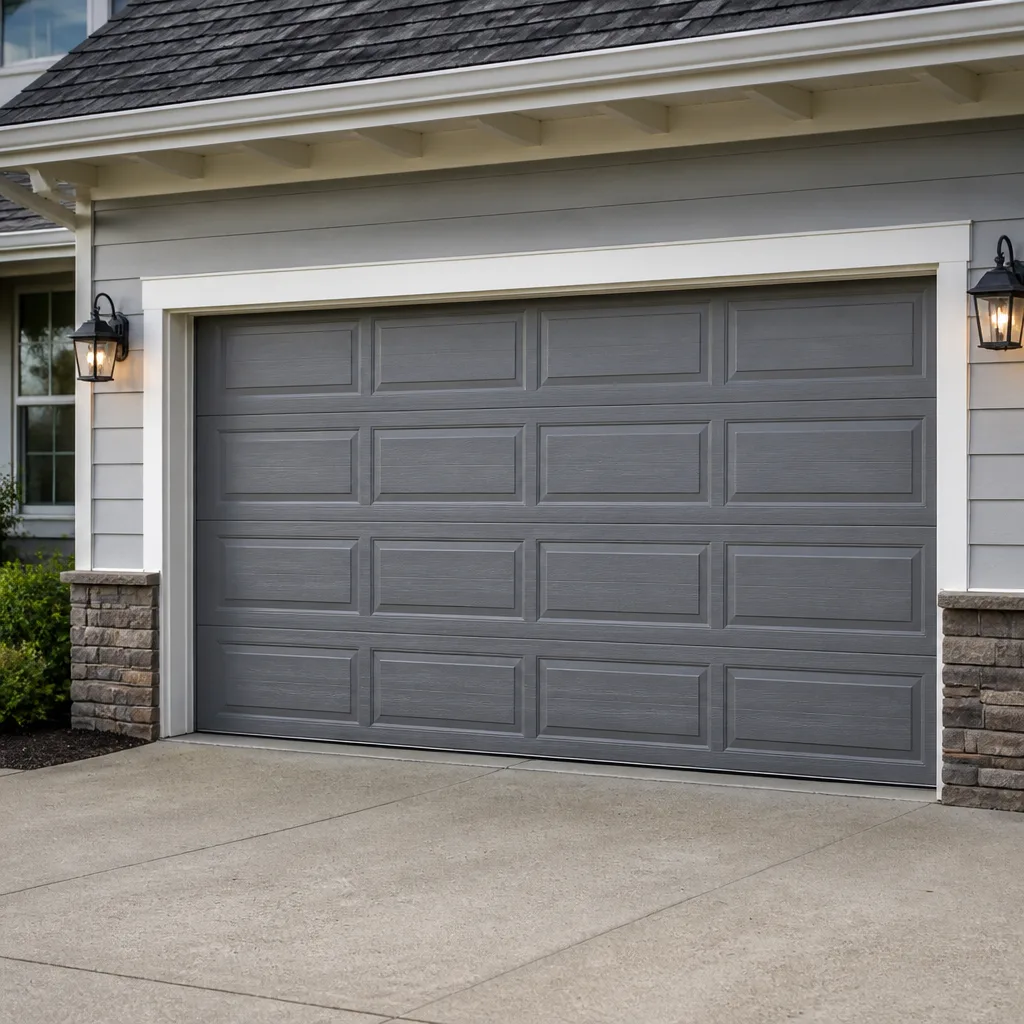 Raised-panel steel
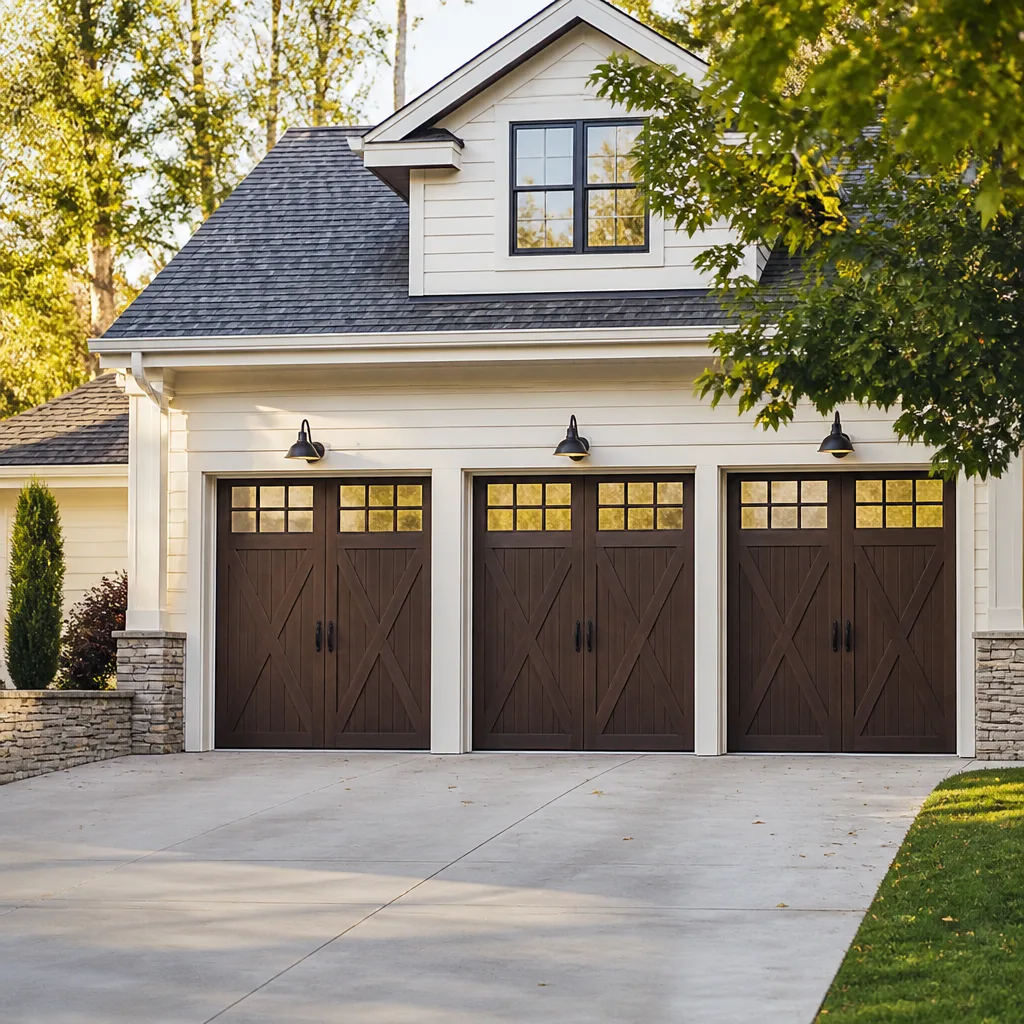 Carriage house
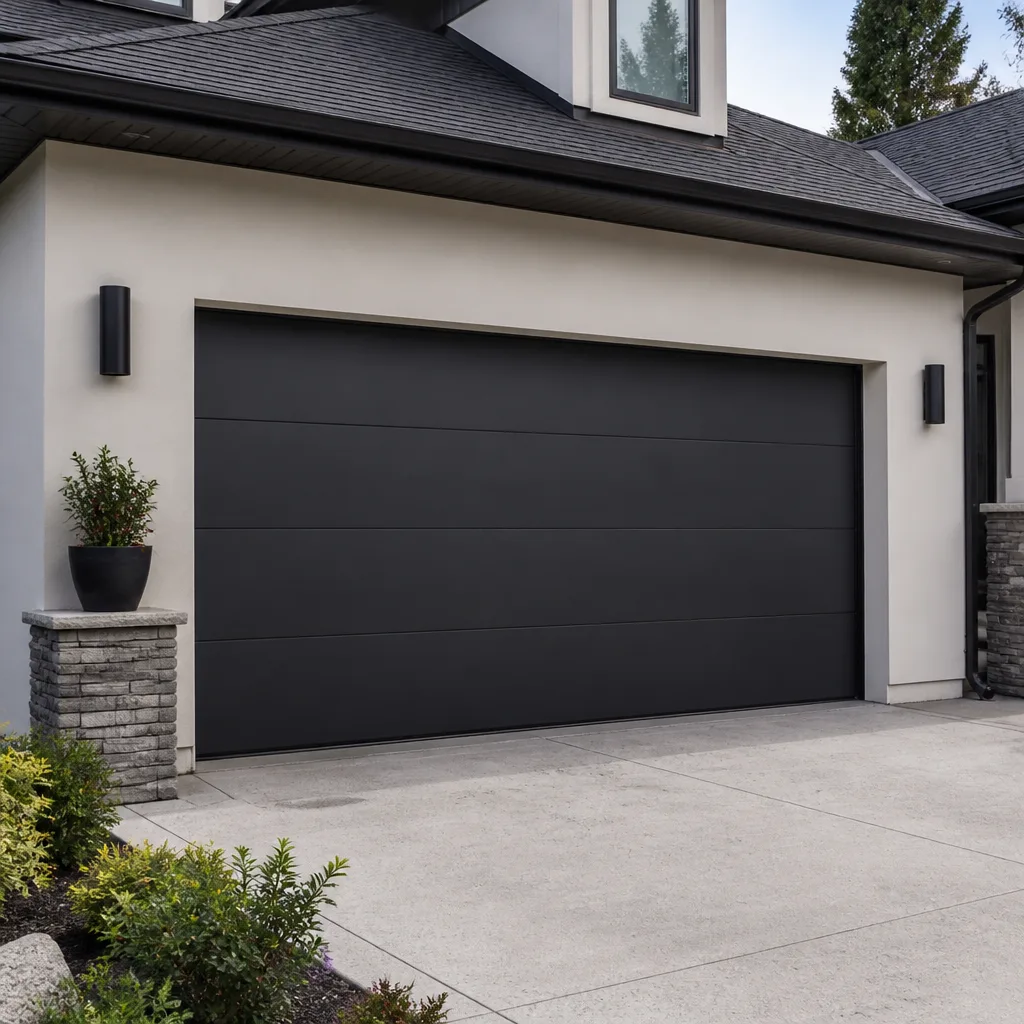 Modern flush
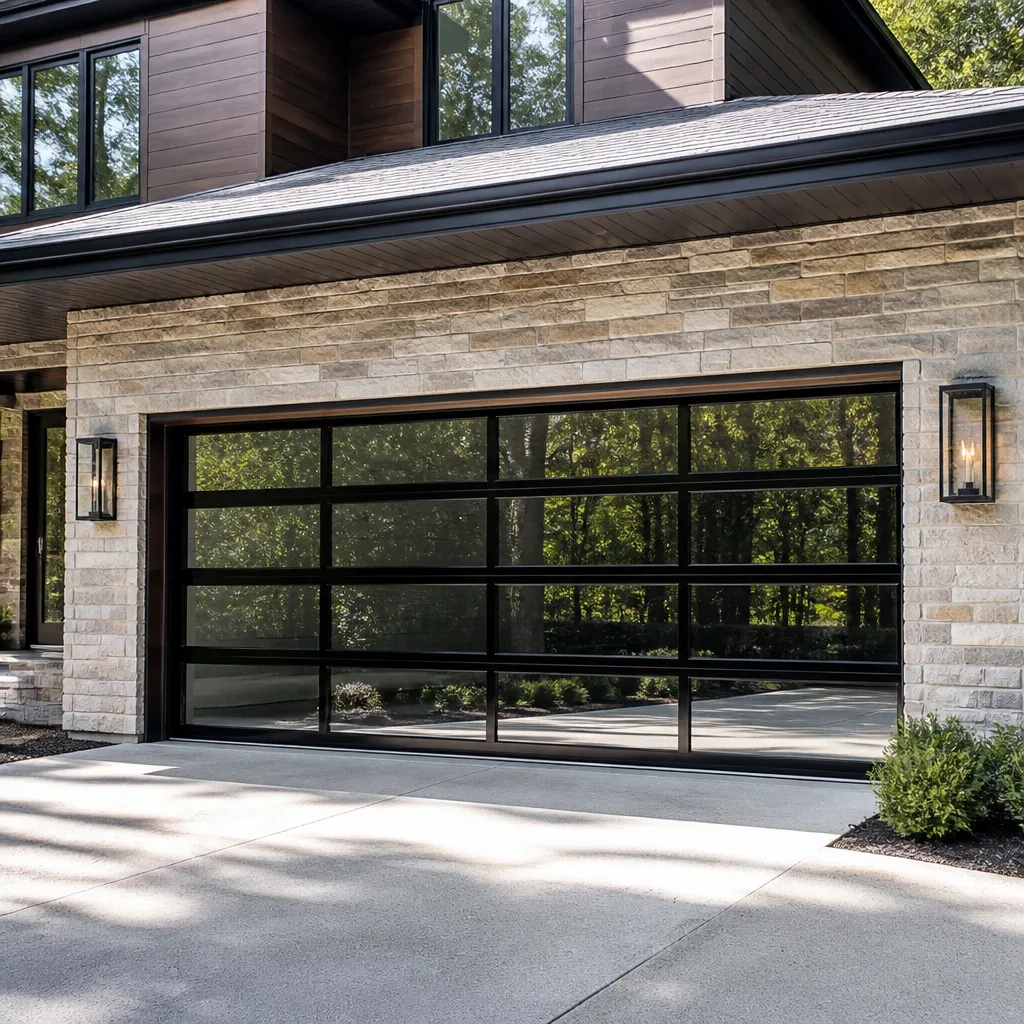 Full-view glass
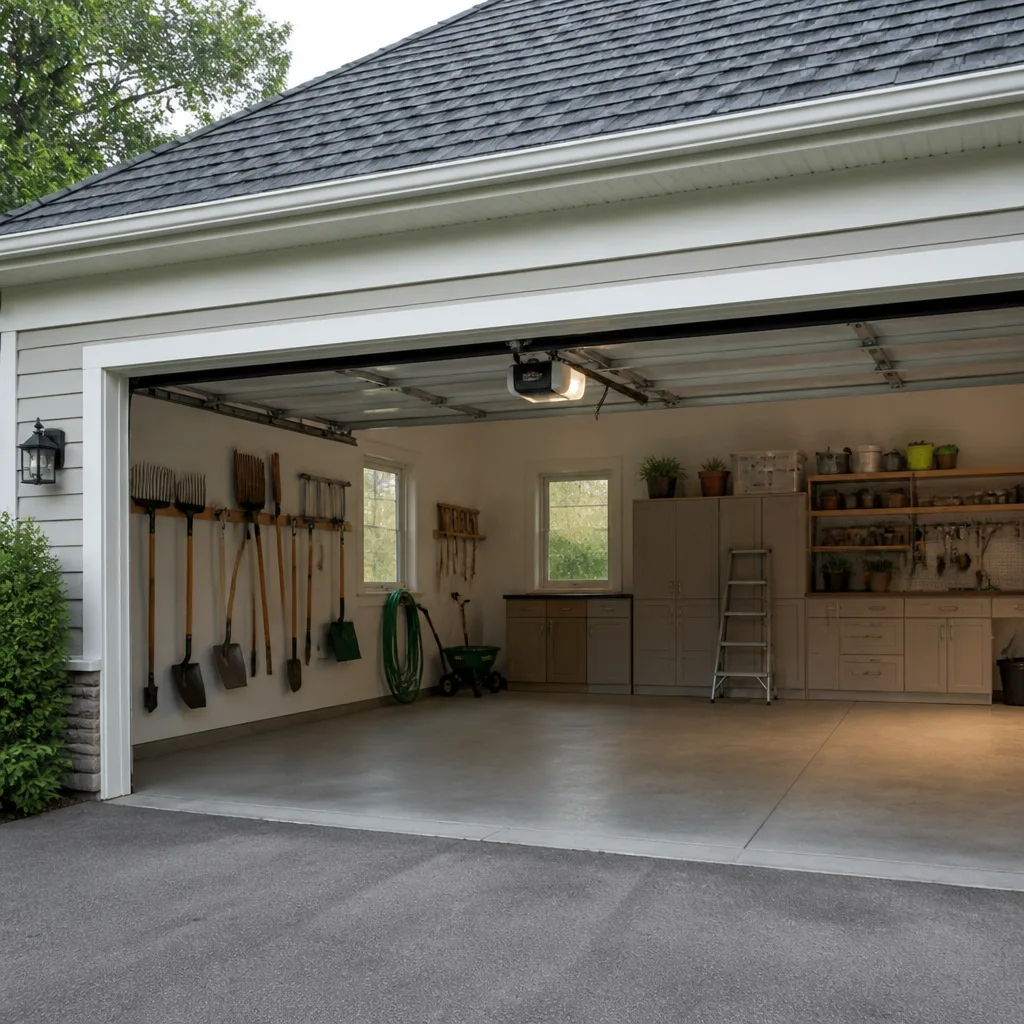 LiftMaster openers
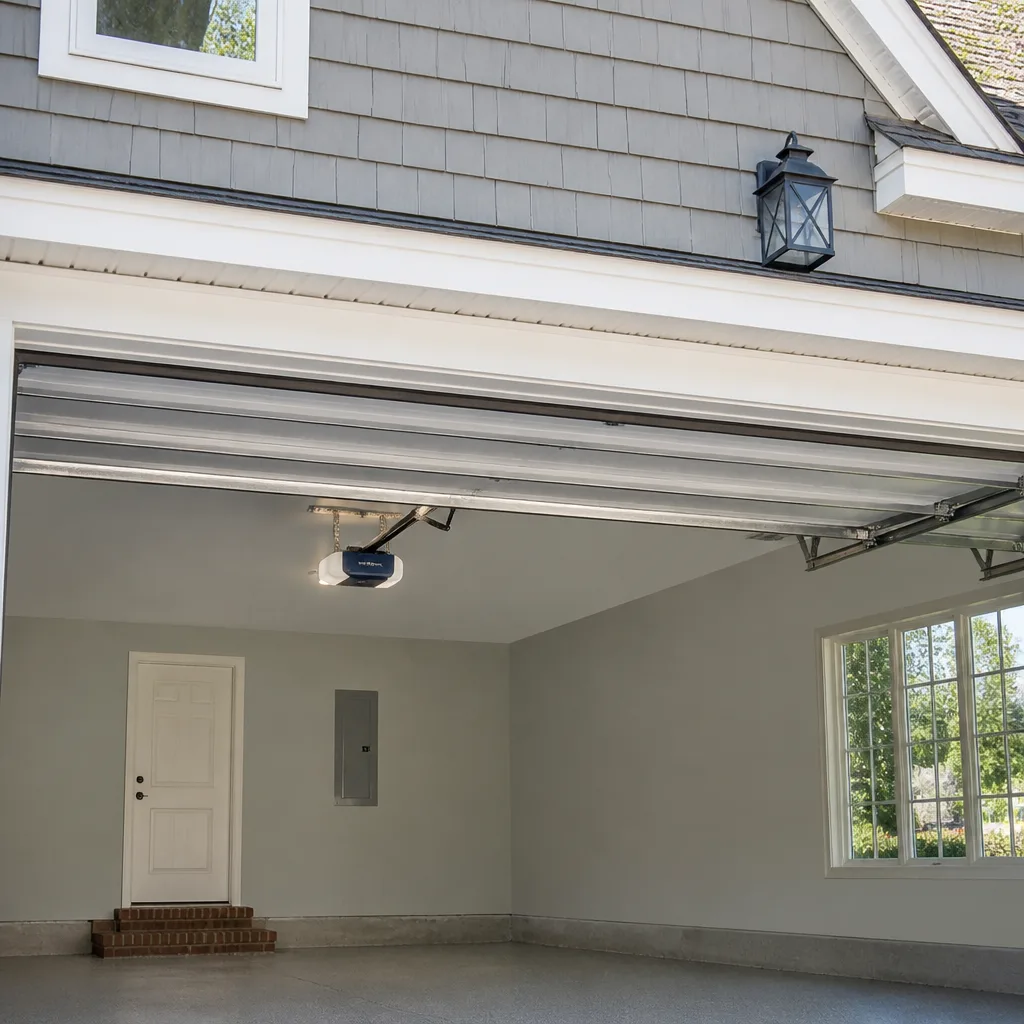 Chamberlain openers
Full 25-point door and opener safety check with every visit - springs, cables, rollers, tracks, and your LiftMaster or Chamberlain opener included
You get a price before we start. It does not change when the pro arrives.
Get your free estimateGarage Door Warning Signs: A German Village Homeowner’s Reference Guide
Most garage door failures don’t happen without warning. They announce themselves first – a rattle that wasn’t there last month, a door that reverses before it touches the ground, a spring that looks a little more stretched than it used to. The trouble is that these signs are easy to tune out, especially on a door you use twice a day without thinking about it. In German Village, where brick alleys and detached garages put a lot of these doors out of daily sight, small problems get months to grow into expensive ones. This guide walks through the warning signs worth acting on, what each one usually means, and when a German Village homeowner should stop investigating and start calling. We’ll cover the sounds, the visual clues, the opener behavior, and the safety lines you should never cross.
Quick Answer
The main warning signs of a failing garage door are unusual noises (grinding, squealing, popping), a door that moves unevenly or reverses on its own, visible spring or cable damage, and an opener that strains or stops mid-travel. Any of these means the door needs inspection before you keep using it. Spring, cable, and opener problems are the ones that most often turn a small repair into a bigger one, and they’re also the ones with real safety stakes.
Styles & brands we work with
- Raised-panel steel
- Carriage house
- Modern flush
- Full-view glass
- LiftMaster openers
- Chamberlain openers
Table of Contents
- What the Noises Coming From Your Garage Door Actually Mean
- Uneven Movement, Sagging, and Doors That Reverse on Their Own
- Spring and Cable Warning Signs You Should Never Ignore
- When the Problem Is the Opener, Not the Door
- A Simple Visual Inspection Checklist for German Village Homeowners
- How German Village Weather and Older Garages Affect Your Door
- Common Mistakes to Avoid
- When to Call a Professional
What the Noises Coming From Your Garage Door Actually Mean
A healthy garage door makes a low, steady hum and not much else. If you can hear it from inside the house, something is telling you it needs attention. The trick is matching the sound to the likely cause, because each one points to a different part of the system.
- Grinding or scraping: usually worn rollers, a dry or misaligned track, or debris caught between the door and the frame. Left alone, grinding metal wears the track and shortens the life of the whole mechanism.
- Squealing or high-pitched whine: often dry hinges and rollers, or a torsion spring that’s rubbing where it shouldn’t. Lubrication helps, but persistent squealing after a proper tune-up points to a component on its way out.
- Loud popping or a bang: almost always a spring. A torsion spring that snaps makes a sound like a firecracker, and the door may drop suddenly or refuse to open. Stop using the door and call for help – a door with a broken spring is a hazardous object, not a minor inconvenience.
- Rattling that gets worse over time: loose hardware, including bolts, brackets, and hinge plates. It’s a cheap fix early and a structural problem later.
- A rhythmic thump: often a bent or worn roller, or a door panel that’s out of alignment. It puts extra strain on the opener every cycle.
In German Village, many garages sit at the end of brick alleys where noise carries differently than it does on a suburban driveway. A homeowner who only hears the door from inside may miss a grinding sound that’s obvious from the alley. If you can, listen to a full open and close from outside the garage once a month. It’s the easiest early-warning system you have.
Uneven Movement, Sagging, and Doors That Reverse on Their Own
A garage door should move in a smooth, even line from fully closed to fully open. Any deviation – one side leading, a pause mid-travel, a door that reverses before it touches the floor – is a sign of a system under stress. The door is heavy, and when one part of the mechanism fails, the load shifts to parts never designed to carry it.
Here’s what each pattern usually points to:
- One side lags behind the other: a stretched or failing spring, or a cable that’s come off its drum. This is one of the clearest spring and cable warnings.
- Door reverses before closing: often the safety sensors at the base, an obstruction, or a misaligned track. Sometimes it’s a sign the opener’s force settings are out of adjustment – which can hide a mechanical problem rather than fix it.
- Door stops halfway: a binding track, a worn roller, or an opener that’s overheating or losing power under load.
- Visible sag in the middle of the door: a failing panel, a broken hinge, or a bent strut on the back of the door. On older single-panel doors, this can be structural.
German Village has a lot of detached garages, and many are older structures where the door was retrofitted onto a frame that wasn’t built for the load. That mismatch shows up first as an uneven door. If your door has never moved perfectly and you’ve lived with it, that’s not a quirk – it’s a warning you’ve been ignoring. A door that needs a nudge, a lift, or a second try to close is a door telling you something.
Spring and Cable Warning Signs You Should Never Ignore
Springs and cables are the two most dangerous parts of any garage door. A torsion spring stores enough energy to lift the full weight of the door – and enough to cause serious injury if it releases unexpectedly. We handle spring repair as a core specialty, and we’d rather talk a German Village homeowner out of a DIY attempt than see the result of one.
Signs your springs or cables need professional attention:
- A visible gap in a torsion spring: the coil has snapped. The door may still lift, sometimes with a lot of effort, but it’s unsafe.
- Extension springs that look stretched or sagging: the coils have lost tension. Extension springs should have safety containment cables, and if they don’t, that’s a second risk on the same part.
- Frayed, kinked, or slack cables: cables that have jumped a drum or come loose are a serious safety issue. Do not operate the door.
- Doors that feel incredibly heavy to lift manually: the springs are doing less of the work than they should be.
- A new dent in the car roof or the ceiling above the door: on some doors, a spring or cable that failed has flung hardware upward. That’s the failure you don’t want to repeat.
If you see any of these, stop using the door. Don’t try to adjust a spring with a winding bar, don’t clip a cable back into place, and don’t ask a handyman to “take a look.” Springs and cables require the right tools, the right technique, and a trained technician. For a German Village homeowner, that’s the one situation where waiting a day is safer than a quick fix.
When the Problem Is the Opener, Not the Door
Not every door problem is the door. A surprising number of “my garage door is broken” calls turn out to be the opener. The door is the muscle; the opener is the brain. When the brain starts failing, the symptoms show up on the door.
Common opener warning signs:
- The door opens partway and stops: often a limit switch that’s drifted or a logic board on its way out.
- The opener runs but the door doesn’t move: a stripped gear or a broken trolley, common in older units.
- The remote works inconsistently: a worn battery is the simplest explanation, but a failing receiver or a signal blocked by metal shelving in the garage is next.
- You hear a relay click but nothing moves: a capacitor or board issue.
- The opener is louder than it used to be: a sign of wear in the motor or gear assembly, especially on older chain-drive units.
We work on the major opener brands you’re likely to have – LiftMaster, Chamberlain, Genie, and Craftsman among them – and the fix is often a part replacement rather than a new opener. Parts in hand, not on order. In German Village, many garages are narrow and have low ceilings, which limits the openers that fit. We can tell you whether your door needs a new opener, a repair, or just a remote re-pairing, and we’ll recommend based on your actual door rather than pushing a single brand.
A Simple Visual Inspection Checklist for German Village Homeowners
You don’t need to be a technician to spot the obvious. A monthly walk-around takes five minutes and catches most of the problems that end up becoming repairs. Run through this list each month, and again after any big temperature swing:
- Look at the springs above the door. A torsion spring is a horizontal coil; check for a gap. Extension springs run along the tracks; check for stretch and containment cables.
- Check the cables. They should be taut and evenly wound on their drums. Any fraying, kinking, or slack is a stop-using-the-door situation.
- Look at the rollers and hinges. Worn rollers look flat or wobbly in the track. Hinges should be tight, not loose or bent.
- Run the door and watch the sensors. The two small lights at the base should be steady, not flickering. Wipe the lenses and check that nothing is in the path.
- Test the door’s balance. With the door closed and the opener disconnected, lift the door to about waist height and let go. A balanced door stays put. A door that drops is a spring problem.
- Look at the door panels. Cracks, dents, or separating skins on Clopay or similar doors indicate impact damage or age.
- Check the track for dents or misalignment. A track that’s bent pinches the rollers and strains the opener.
On the balance test specifically: do it with the door only partway up and your hands clear, and only if the door is already moving normally. If it’s grinding, sagging, or making noise, skip the test and call for an inspection. The point of the checklist is early detection, not to turn a homeowner into a technician.
How German Village Weather and Older Garages Affect Your Door
German Village sits in central Ohio, which means the door deals with hot, humid summers and cold winters that swing below freezing. That temperature range is harder on a garage door than a mild climate, and it’s harder on an older door in a detached garage that isn’t climate-controlled.
The effects are predictable:
- Expansion and contraction: metal tracks and door panels expand with summer heat and contract in winter. A door that closes fine in July can drag in January. Misalignment from temperature is one of the most common seasonal complaints in German Village.
- Spring fatigue: springs lose tension over thousands of cycles, and the cold makes metal more brittle. A spring at the end of its life often fails in a cold snap, which is when German Village homeowners call us most.
- Humidity and hardware: older detached garages in German Village can hold moisture, and that rusts hinges, bolts, and rollers. Rust is a sign the hardware is losing strength.
- Ice at the door seal: a door that doesn’t close flush leaves a gap, which lets in cold air and can freeze the seal to the floor.
- Wooden garage structures: many garages in German Village are older wood-frame buildings. A shifting frame changes the geometry of the door opening, and that shows up as an uneven track or a door that rubs the frame on one side.
In older properties around Schiller Park and the brick streets near the Book Loft, we often find doors installed decades after the garage was built, with a track that’s been re-drilled or shimmed more than once. That’s not a reason to replace the whole door – but it is a reason to have the alignment checked before a small rub turns into a bent panel. If your door has started to struggle only in certain seasons, that’s the weather talking, and it’s worth a look.
Common Mistakes to Avoid
- Trying to fix a spring yourself. This is the single most dangerous mistake a homeowner can make with a garage door. A torsion spring under tension can release without warning, and it’s not a job that rewards confidence. Call a professional.
- Ignoring a door that reverses on its own. It’s tempting to assume a sensor is just dusty and move on. A door that reverses on closing is inconsistent, and an inconsistent door can close on a pet, a child, or a car. Have it checked rather than tuning the force settings to make it stop.
- Letting a small grinding noise run for months. A worn roller is inexpensive to replace. A worn roller that chews through a track and a hinge is a bigger repair. In German Village’s older detached garages, the track is often the oldest part of the system.
- Oiling a spring instead of replacing it. Lubrication quiets a healthy spring; it doesn’t save a fatigued one. If the door feels heavy or you see a gap in the coil, no amount of oil fixes it.
- Assuming a new opener will fix an old door. A new opener on a door with a failing spring or a bent track just puts more strain on both. Fix the door first, then decide about the opener.
- Choosing a contractor by bid alone. A garage door has springs, cables, rollers, tracks, and an opener, and they interact. A generalist who dabbles in doors may fix one and leave the others. We work across the whole system, and on the major brands, so you get the right answer the first time.
- Waiting for a door to fail completely. A door that won’t close leaves a garage open and a home exposed. Warning signs are cheaper to act on than failures.
See the difference
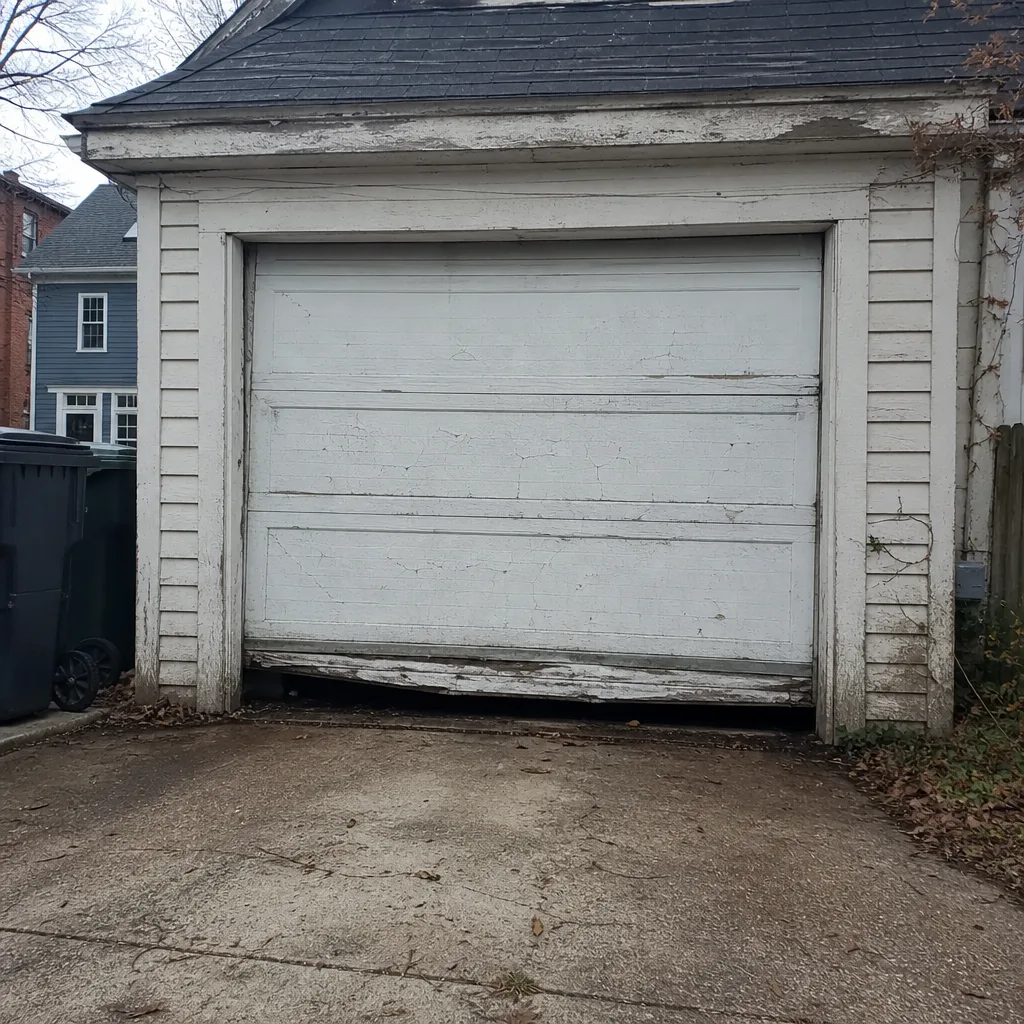 Before
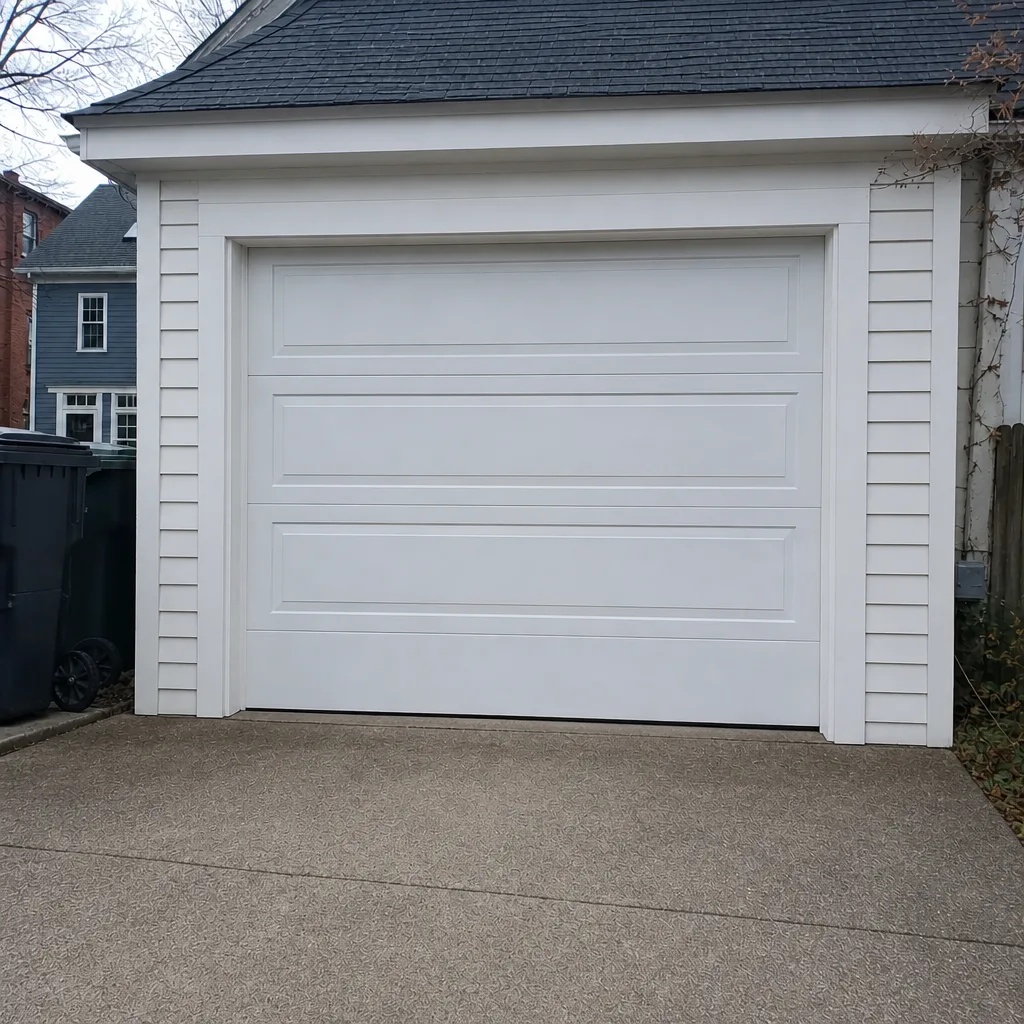 After
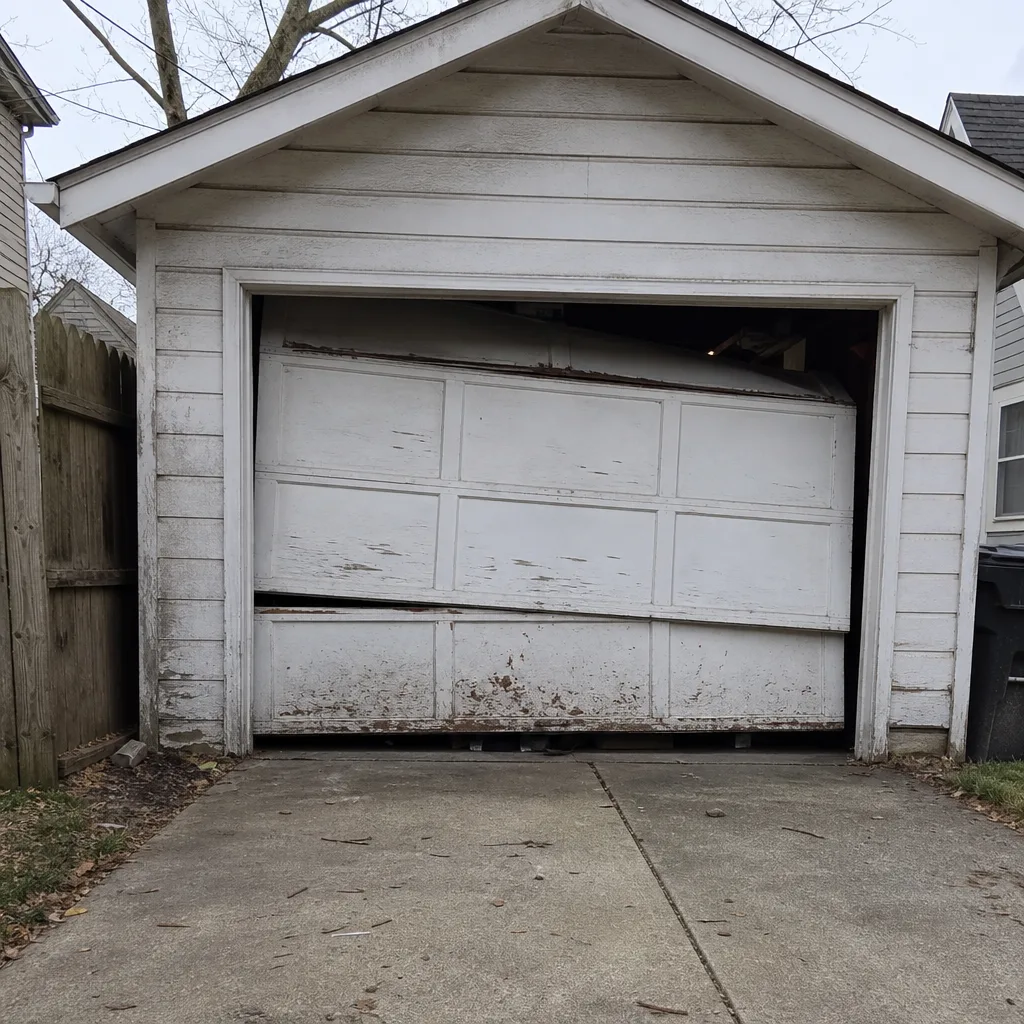 Before
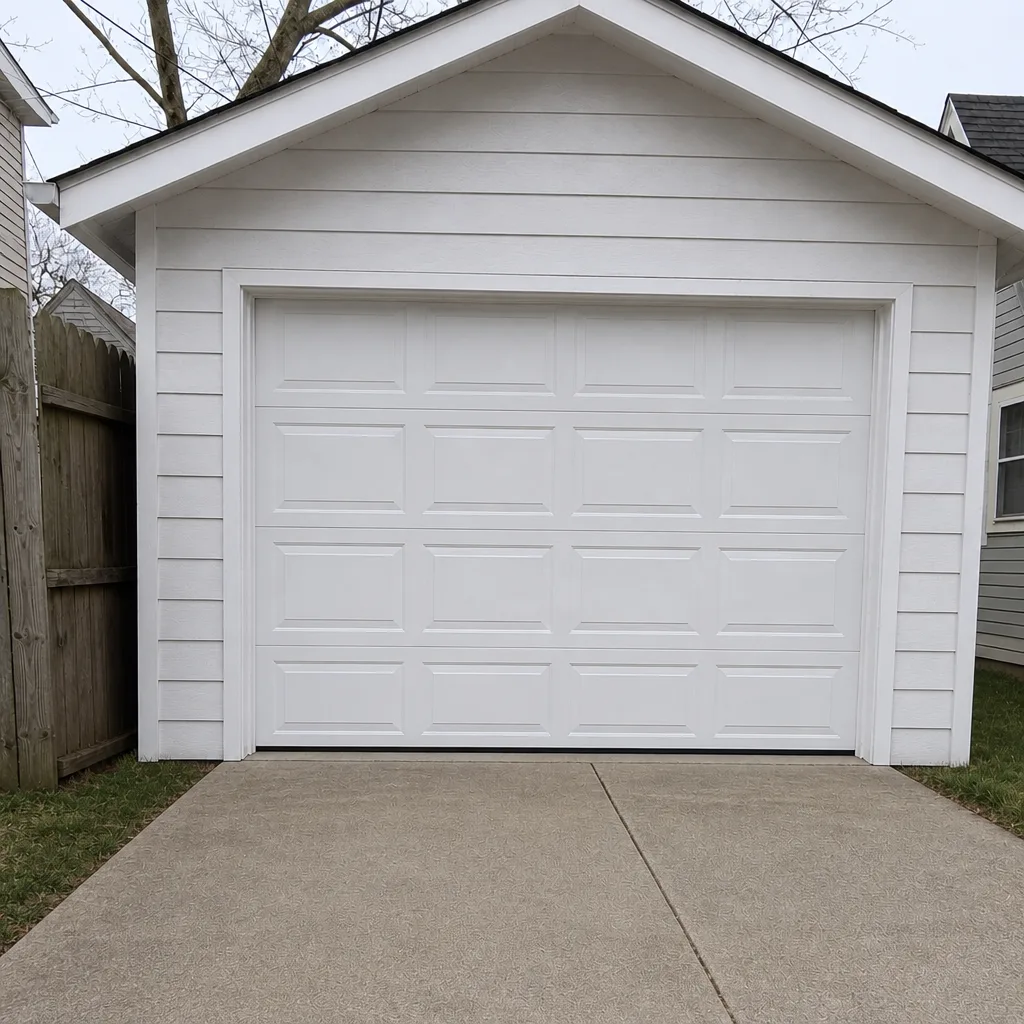 After
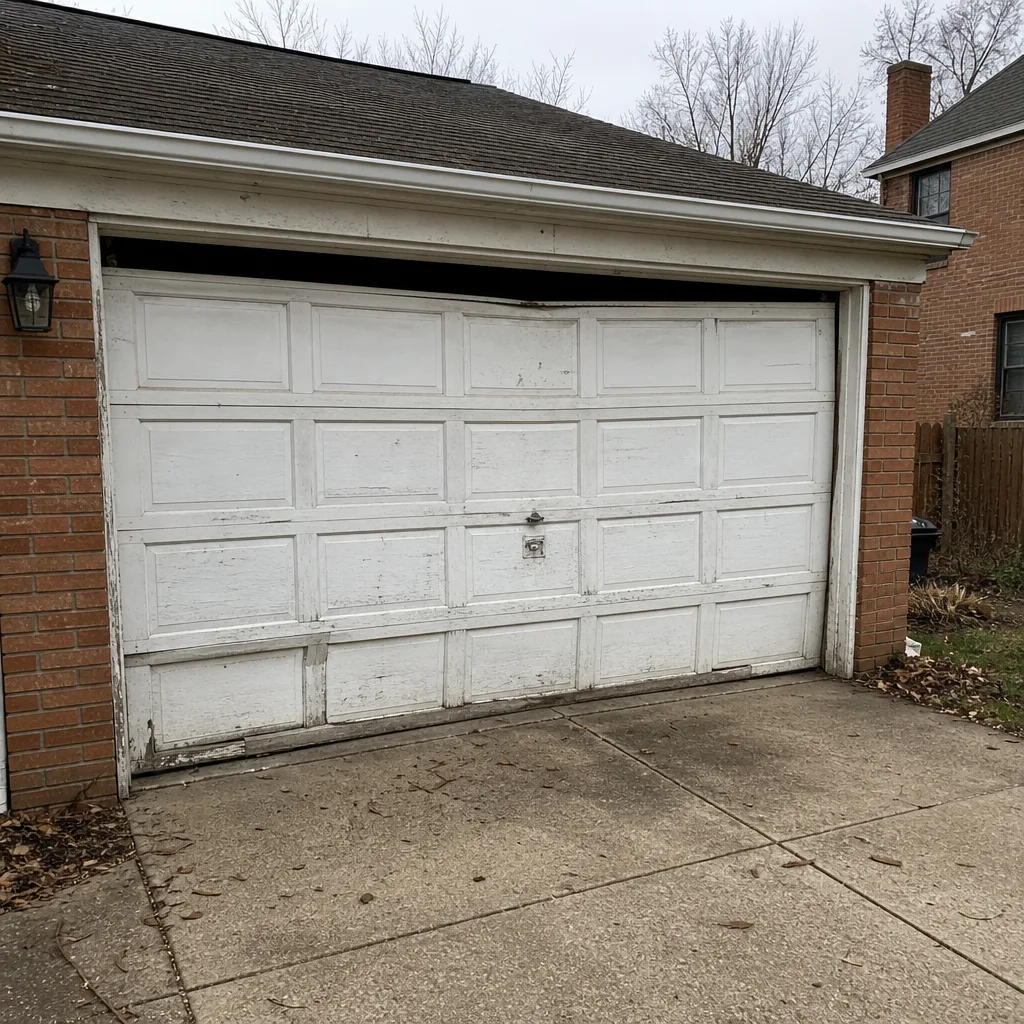 Before
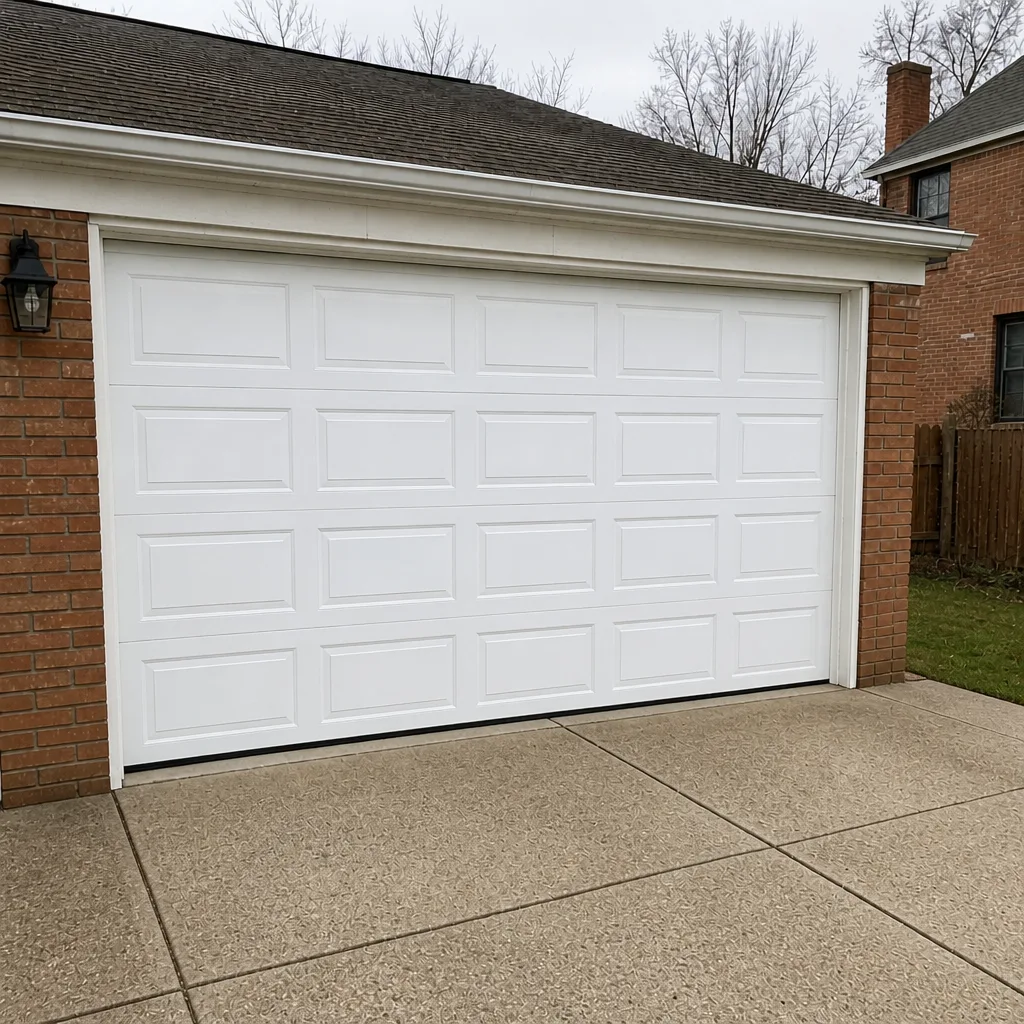 After
When to Call a Professional
Some warning signs are worth a phone call, and some are worth a call today. Call us now if you see any of these: a snapped torsion spring, a slack or frayed cable, a door that drops or slams, a door that reverses repeatedly on closing, a door that’s visibly off its track, or an opener that runs with no door movement and a heavy door. These aren’t jobs to diagnose over a weekend. For the slower signs – grinding, rattling, a door that needs a nudge, a remote that’s getting unreliable – a scheduled inspection is the sensible path. Garage Door Repair German Village offers free estimates in German Village – call (888) 398-5080. We answer 24/7. Fast dispatch from 7am to 7pm, Sunday through Friday.
Our technicians have up to 10 years of experience, and we service LiftMaster, Chamberlain, Genie, Clopay, Amarr, Wayne Dalton, Craftsman, and Raynor under one roof. Whether the fix is a roller, a spring, or a new opener, the written estimate comes before any work starts, so the price is agreed up front.
Frequently Asked Questions
A door that suddenly feels much heavier to lift, or a visible gap in the torsion spring above the door, are the two clearest signs. Sometimes the door still opens with the opener but struggles, which is the spring losing tension before it fails. Stop using the door and have it inspected – springs are not a DIY repair. Call (888) 398-5080 for an exact quote – estimates are free.
Yes. A loud bang usually means a spring has snapped, and a door that still opens with a broken spring is operating on borrowed time and dangerously unbalanced. Don’t run it again until a technician has looked at it. We handle spring repair as a specialty in German Village.
The local professionals we connect you with are licensed and insured as their state requires, and they’re vetted before we send them. We don’t send general handymen to spring and opener work; we send technicians who work on garage doors specifically. Ask us anything about the pro assigned to your job when you call.
Possibly. A door stuck open is a security problem, so we prioritize it. We answer 24/7, and we dispatch Sunday through Friday from 7am to 7pm (closed Saturday). Call (888) 398-5080 and we’ll book the earliest opening.
Spring replacement is typically estimated per spring, and a matched pair is usually replaced together because both springs wear at the same rate. The exact figure depends on the spring type and door weight, so the written estimate is the price. Call (888) 398-5080 for a free estimate on your specific door.
No – the written estimate is the price, and we agree it before any work starts. If we find something the estimate didn’t cover, we tell you before we touch it. For a German Village garage, call (888) 398-5080 and we’ll walk you through what the estimate covers.
The Bottom Line
Garage door problems almost always announce themselves before they fail. Grinding, sagging, reversing, and heavy lifting are the early signals, and each one points to a specific part: rollers, tracks, springs, cables, or the opener. The dangerous ones – springs and cables – are the ones that should trigger a call rather than a toolbox. German Village’s older detached garages and its wide temperature swings make the warning signs easier to miss and more worth catching. Run the monthly checklist, take the noises seriously, and get a free estimate before a small issue becomes a big repair. One call covers the whole door, from panels and hardware to springs, openers, and parts.
Call (888) 398-5080 for a free estimate. We answer 24/7. Fast dispatch from 7am to 7pm, Sunday through Friday.
For repair and installation across German Village, see garage door repair German Village.
Written by the team at Garage Door Repair German Village.